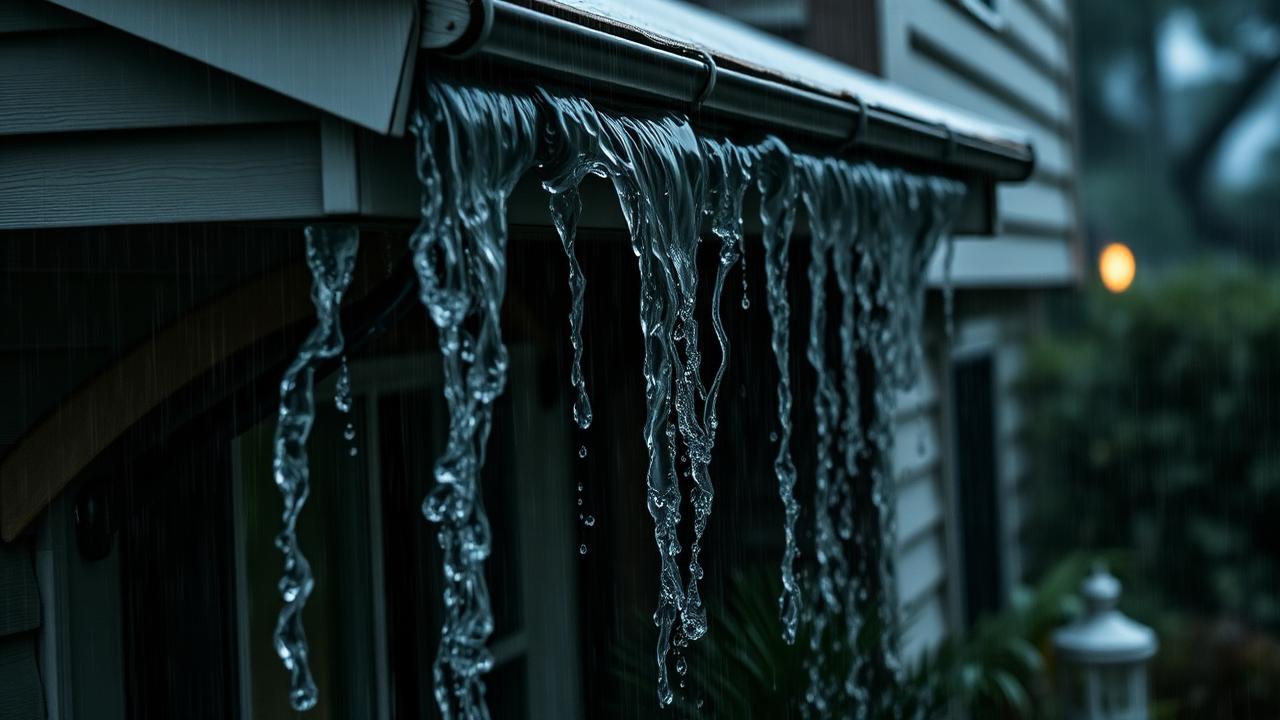
Gutters play a critical role in protecting a home, yet they are one of the most emotionally overlooked exterior systems. Unlike roofs, windows, or siding, gutters rarely draw attention unless something goes wrong.
This tendency to overlook gutters is not accidental. It is rooted in how homeowners perceive visibility, urgency, and risk. Understanding why ignored gutter systems are so common helps explain why damage often feels sudden even though the causes develop slowly.

Why Gutters Do Not Feel Emotionally Important
Homeowners tend to prioritize elements they can easily see and interact with. Gutters sit at the edge of awareness, often above eye level and outside daily routines.
Unlike doors or windows, gutters do not affect how a home feels from the inside.
As a result, they are rarely associated with comfort or enjoyment.
- •They do not change interior temperature
- •They do not affect noise
- •They do not influence appearance at ground level
This makes ignored gutter systems easy to forget.
The Visibility Bias That Shapes Attention
Human attention is strongly influenced by visibility. Systems that show wear or failure clearly receive faster responses.
Roof damage may cause leaks. Window issues affect comfort. Siding problems change appearance.
Gutter problems often remain hidden until water travels somewhere it should not.
Because early gutter issues are out of sight, they feel out of mind.
Why Gutter Problems Rarely Feel Urgent
Urgency is driven by immediate consequences. Ignored gutter systems usually fail quietly.
When a gutter begins to clog or pull away, the home often appears unchanged.
Water still drains during light rain.
There is no obvious alarm.
This lack of immediate feedback delays response.
How Slow Damage Reduces Emotional Response
Gutter related damage typically occurs slowly. Water may saturate soil, splash against siding, or seep near foundations over time.
Because these effects develop gradually, homeowners do not associate them with a single cause.
The absence of a dramatic failure makes ignored gutter systems feel low risk.
The Psychology of Deferred Maintenance
Deferred maintenance often stems from emotional prioritization rather than logic.
Homeowners are more likely to address systems that create discomfort or visual stress.
Gutters do neither until damage becomes visible elsewhere.
This psychological gap explains why maintenance is postponed even when homeowners understand the purpose of gutters.

Why Gutters Compete Poorly for Attention
Exterior maintenance decisions often involve tradeoffs. Homeowners choose where to focus limited time and resources.
Ignored gutter systems lose priority because:
- •They do not improve daily living experience
- •They lack visible feedback
- •They are associated with inconvenience
This combination makes gutters easy to deprioritize.
How Normal Function Masks Developing Issues
Gutters are designed to handle water. Even partially clogged systems may still function during light rain.
This partial success reinforces the belief that everything is fine.
Homeowners may assume that if water is flowing, there is no problem.
In reality, performance can degrade significantly before failure is obvious.
Why Emotional Triggers Matter More Than Knowledge
Most homeowners understand that gutters protect foundations, siding, and landscaping.
Yet understanding does not always lead to action.
Action is triggered by emotional signals such as discomfort, fear, or visible damage.
Ignored gutter systems do not activate these signals early.
How Damage Appears Far From the Source
One reason gutter issues feel confusing is that damage often shows up away from the gutters themselves.
Homeowners may notice:
- •Soil erosion near foundations
- •Water stains on siding
- •Basement moisture
The connection to gutters is not always obvious.
This disconnect delays recognition.

Why Gutters Are Associated With Inconvenience
Gutter maintenance is often perceived as inconvenient or unpleasant.
Climbing ladders, dealing with debris, and accessing high areas create resistance.
This resistance reinforces avoidance behavior.
Ignored gutter systems become easier to ignore than to address.
How Homeowners Normalize Minor Issues
Small gutter issues are often normalized.
A little overflow during heavy rain may feel acceptable.
A slight sag may be dismissed.
Normalization reduces urgency until damage accumulates.
Why Ignored Gutter Systems Create Foundation Stress Over Time
One of the most significant long-term consequences of ignored gutter systems is stress placed on the foundation. Gutters are designed to control where water lands after it leaves the roof. When that control is lost, water repeatedly concentrates near the base of the home.
This repeated exposure slowly alters soil conditions. Saturated soil expands, shifts, and loses its ability to support weight consistently. Over time, this movement places uneven pressure on foundation walls.
Homeowners may eventually notice:
- •Cracks in foundation walls or interior drywall
- •Doors or windows that begin sticking
- •Uneven floors or subtle settling
Because these symptoms develop far from the gutters themselves, the connection is rarely made immediately. The damage feels structural, not drainage related.
Ignored gutter systems contribute to this stress quietly. Each rainfall adds a small amount of moisture to the same areas. Over years, that repetition matters more than any single storm.
Understanding this relationship helps homeowners see gutters as a foundational protection system rather than a cosmetic accessory. Redirecting water consistently is one of the most effective ways to preserve long-term structural stability.

How Ignored Gutter Systems Accelerate Siding and Exterior Wear
Gutters do more than protect foundations. They also shield siding and exterior finishes from repeated water exposure. When gutter systems are ignored, water often overflows or splashes against walls during rain events.
This repeated splash back accelerates exterior wear. Siding materials are designed to shed water, but not to absorb constant impact from roof runoff.
Over time, homeowners may notice:
- •Discoloration or staining near the roofline
- •Premature fading on certain elevations
- •Softness or deterioration near trim and corners
Because these changes occur gradually, they are often attributed to age or weather exposure alone. The role of ignored gutter systems is frequently overlooked.
Water that repeatedly hits the same sections of siding increases moisture load and slows drying. This creates conditions where wear accelerates unevenly.
Maintaining gutter flow and alignment reduces this repeated stress. By controlling where water exits the roof, homeowners protect siding surfaces and extend the life of exterior materials.
Why Routine Observation Is More Effective Than Reactive Gutter Repair
Most gutter problems are not discovered during emergencies. They are found after damage appears elsewhere. This reactive pattern reinforces the belief that gutters fail suddenly, when in reality they degrade gradually.
Routine observation is far more effective than waiting for visible damage. This does not require frequent cleaning or constant monitoring. It simply involves awareness of how gutters behave during normal weather.
Helpful observations include:
- •Whether water flows smoothly during rain
- •If overflow occurs at consistent locations
- •Whether downspouts discharge water away from the home
These small checks interrupt the long timeline that allows ignored gutter systems to cause damage.
Reactive repairs often address symptoms rather than causes. For example, repairing siding damage without correcting overflow patterns allows the same stress to continue.
Routine observation reframes gutters as part of normal home awareness instead of a crisis driven system. This mindset shift reduces long-term risk and prevents small issues from becoming costly problems.
Why Ignored Gutter Systems Create Interior Problems Homeowners Do Not Expect
One of the least intuitive effects of ignored gutter systems is how often they contribute to interior problems that seem unrelated at first. When gutters fail to control roof runoff, water is redirected toward areas of the home that are not designed to manage repeated moisture exposure.
Over time, excess water near the foundation or exterior walls can migrate inward. This does not usually happen as a visible leak. Instead, moisture moves slowly through soil, masonry, and wall assemblies.
Homeowners may eventually notice interior signs such as:
- •Basement dampness or musty odors
- •Discoloration or peeling paint near lower walls
- •Increased humidity or condensation indoors
Because these symptoms appear inside the home, gutters are rarely considered as a contributing factor. The connection feels indirect, which delays recognition.
Ignored gutter systems allow water to collect repeatedly in the same exterior zones. That sustained exposure increases the likelihood that moisture will find paths into the home, especially in older structures or areas with limited drainage.
Understanding this connection helps homeowners see gutters as part of the indoor health equation, not just an exterior convenience. Proper water control reduces moisture pressure on the entire building envelope, protecting interior spaces as well as exterior systems.
Why Awareness Changes Behavior
Understanding the psychology behind ignored gutter systems helps homeowners see why delays happen.
Awareness reduces self blame and encourages proactive thinking.
At Action Exteriors, gutter conversations often focus on long term impact rather than immediate failure.
Homeowners can discuss concerns or observations through the Action Exteriors contact page.
How Ignored Gutter Systems Create Delayed Consequences
Ignored gutter systems rarely cause immediate problems. Instead, they allow water to behave in ways that slowly affect a home. This delayed impact is one of the reasons gutter related damage often feels unexpected.
Because consequences develop gradually, homeowners may not connect early changes to gutters. By the time damage becomes noticeable, the underlying behavior has often been occurring for years.
Why Damage Feels Sudden Even When It Is Not
When homeowners discover foundation staining, siding damage, or interior moisture, the reaction is often surprise. The damage appears to have arrived suddenly.
In reality, ignored gutter systems allow water to follow unintended paths repeatedly.
Each rainfall adds a small amount of stress:
- •Soil near the foundation becomes saturated
- •Water splashes against siding
- •Moisture lingers near structural materials
These small events accumulate quietly until visible damage appears.

How the Absence of Feedback Delays Action
Gutters do not provide immediate feedback when they stop performing optimally.
Unlike a leaking faucet or a broken window, gutter failure does not interrupt daily life.
Water still flows during light rain. Overflow may only occur during heavier storms.
This intermittent behavior makes it difficult for homeowners to identify a clear problem.
The Psychology of Thresholds
Most homeowners respond to problems only after a threshold is crossed. This threshold is often emotional rather than technical.
With ignored gutter systems, the threshold is usually reached when:
- •Water enters the home
- •Visible damage appears
- •Costs become unavoidable
Before that point, gutters remain below the threshold of concern.
Why Gutters Are Rarely Associated With Comfort
Homeowners naturally prioritize systems that affect comfort.
Heating, cooling, windows, and insulation directly influence how a home feels.
Gutters operate outside the comfort experience.
Because ignored gutter systems do not change daily comfort, they are deprioritized even when their role is critical.
How Routine Normalizes Dysfunction
Over time, homeowners adjust to small irregularities.
Minor overflow during heavy rain may become expected.
Splash marks on siding may seem cosmetic.
This normalization reduces urgency and reinforces avoidance.
Why Homeowners Often Blame Weather Instead of Gutters
When water damage appears, weather is often blamed first.
Heavy rain or snow melt feels like an external force beyond control.
This perception shifts attention away from ignored gutter systems.
In reality, gutters exist to manage exactly these conditions.
How Gutter Problems Affect Other Systems
Ignored gutter systems rarely cause isolated damage.
Water mismanagement affects:
- •Siding through repeated splash back
- •Foundations through soil saturation
- •Basements through moisture migration
Because damage appears in these areas, gutters are often overlooked as the source.
Why Gutters Feel Optional Rather Than Protective
Many homeowners view gutters as accessories rather than protective systems.
They are not seen as structural or essential.
This perception contributes to delayed maintenance and repair.
Ignored gutter systems become optional in the homeowner mindset.
How Cognitive Load Contributes to Ignored Gutter Systems
Homeowners manage dozens of ongoing responsibilities. From work and family to daily maintenance, attention is constantly divided. In this environment, ignored gutter systems are not overlooked intentionally. They simply fail to compete for mental space.
Cognitive load refers to the amount of information and decision making a person handles at once. When cognitive load is high, people naturally focus on issues that feel immediate or emotionally pressing.
Gutters rarely trigger that response.
Because they operate quietly and outside daily living spaces, gutters remain low priority even when homeowners understand their importance. This disconnect between knowledge and action is well documented in behavioral research.
According to the American Psychological Association, people under sustained cognitive load tend to delay decisions that lack immediate emotional feedback.
Ignored gutter systems fit this pattern precisely.
Unlike a broken appliance or visible leak, gutters fail gradually and indirectly. They do not demand attention in the moment. Instead, they require proactive thinking, which is more difficult when mental resources are stretched.
The National Institutes of Health notes that people are more likely to postpone preventive actions when consequences feel distant or abstract.
This explains why gutter maintenance is often deferred until damage appears elsewhere. The issue is not awareness. It is mental prioritization.
Understanding this dynamic helps homeowners release self criticism and approach gutter care more realistically. Small reminders and routine observation often work better than trying to force urgency.
By recognizing how cognitive load affects decision making, homeowners can reframe gutters as part of routine awareness rather than an additional burden.
How Reframing Changes Attention
When homeowners reframe gutters as water control systems rather than accessories, attention shifts.
Gutters protect:
- •Soil stability
- •Exterior surfaces
- •Interior materials
This reframing increases perceived importance without creating fear.
Why Awareness Reduces Overwhelm
Understanding the psychology behind ignored gutter systems helps homeowners act without guilt or panic.
Awareness replaces surprise with understanding.
Small steps feel more manageable when the system's role is clear.
How Professional Conversations Shift Perspective
Talking about gutters in context rather than isolation helps homeowners see the bigger picture.
At Action Exteriors, gutter discussions often connect water movement to overall home performance.
This approach reduces emotional resistance and supports proactive care.
Homeowners can ask questions or discuss concerns through the Action Exteriors contact page.
Why Small Attention Prevents Big Problems
Gutters do not require constant focus. Periodic attention is often enough to prevent long term issues.
Small actions interrupt years of gradual damage.
This makes gutter care one of the most efficient forms of exterior maintenance.
How Understanding Changes Future Behavior
Once homeowners understand why ignored gutter systems are common, behavior often shifts naturally.
Gutters become part of routine observation rather than an afterthought.
This change reduces surprise and improves long term outcomes.
Final Thoughts
Ignored gutter systems are not a result of carelessness. They are the product of visibility bias, delayed feedback, and emotional prioritization.
Because damage develops slowly and appears elsewhere, gutters rarely feel urgent until problems surface.
Understanding this psychology allows homeowners to respond calmly, protect their homes, and avoid unnecessary stress.