A New Roof. Done Right the First Time.
When repair isn't enough. Full replacement that improves performance, lifespan, and curb appeal. Shingle or metal, we build it right.
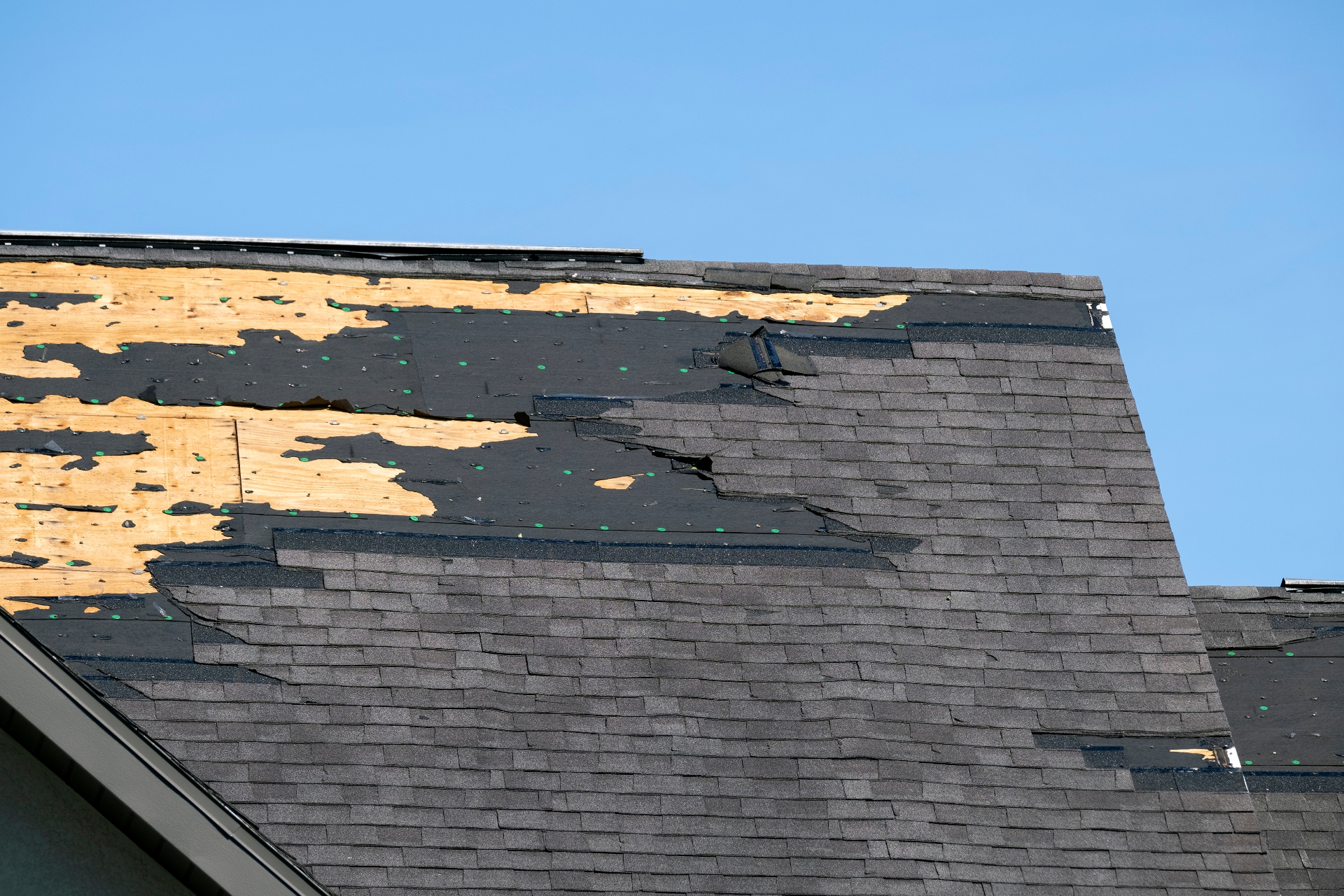
Some Roofs Are Beyond Saving
An aging roof doesn't just look worn, it actively puts your home at risk. Chronic leaks, widespread shingle damage, and storm destruction that goes beyond spot repairs all signal that patching things up is no longer enough. And if you're tired of replacing your roof every 15 years, traditional asphalt may not be the answer. Every year you wait, the underlying damage grows, from rotting decking to compromised insulation, and the cost to fix it climbs with it.
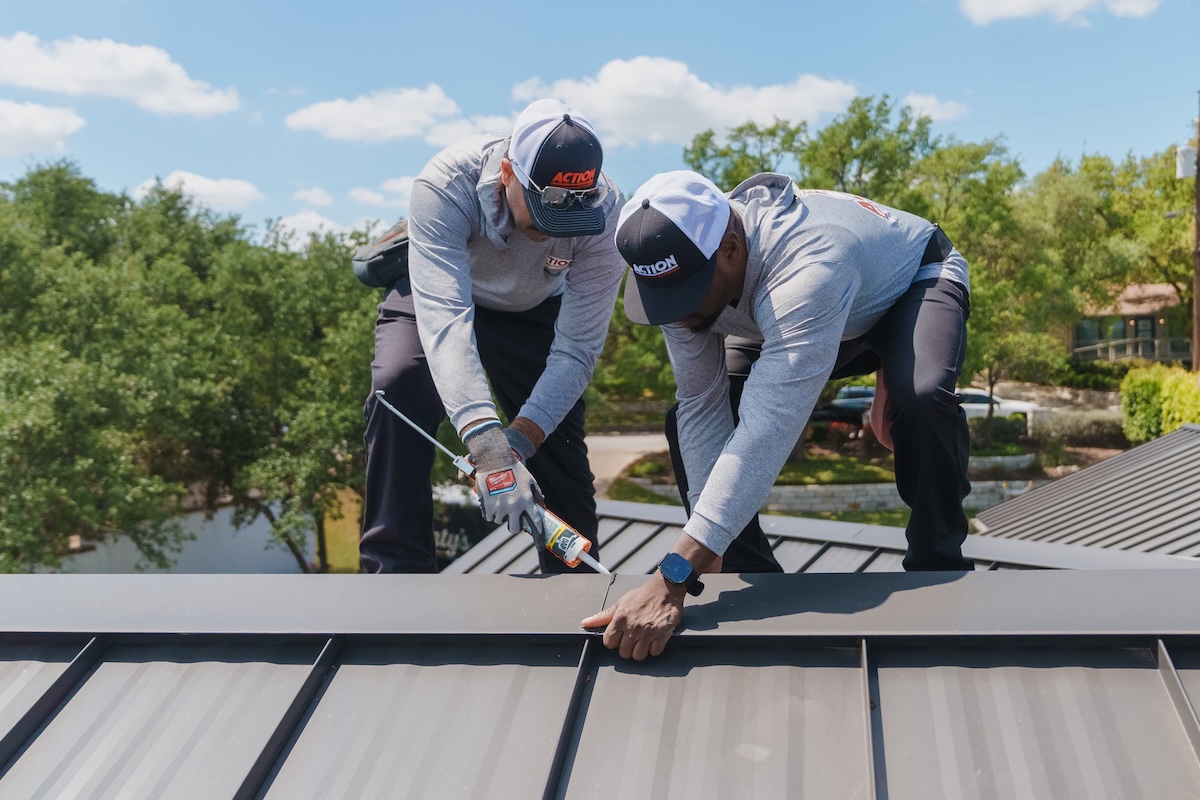
Complete Tear-Off. Quality Materials. Minimal Disruption.
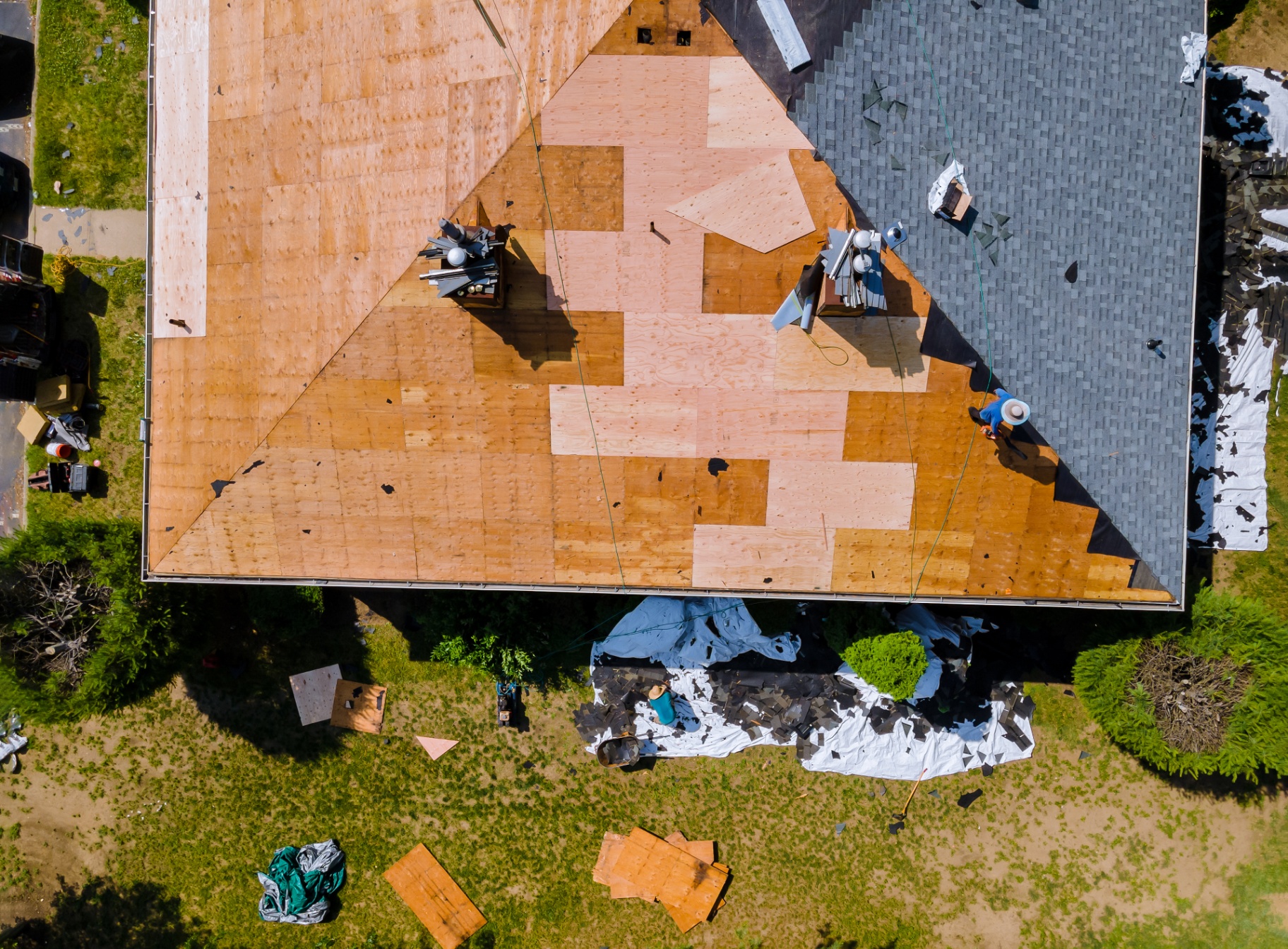
We strip your old roof down to the deck, inspect every board, and install a brand-new system built to last. Whether you choose architectural shingles or standing seam metal, you get a roofing system that lasts 50+ years, reflects heat, and stands up to the worst weather. Our process is designed to be smooth and stress-free, so you'll get a roof that performs better, looks better, and protects your home for decades.
Signs You Need a Roof Replacement
Roof Over 20 Years Old
Most asphalt roofs have a 20–25 year lifespan. If yours is approaching that mark, it's time to plan ahead.
Multiple Repairs in One Year
If you've called for repairs more than once this year, replacement is likely more cost-effective.
Widespread Shingle Damage
When damage covers large sections rather than isolated spots, patching won't solve the problem.
High Energy Bills
A failing roof lets conditioned air escape. Metal roofing reflects solar heat and can cut cooling costs significantly.
Frequent Maintenance Fatigue
If your current roof requires constant attention, it's time to invest in something that lasts. Like metal.
Older Home Needing an Upgrade
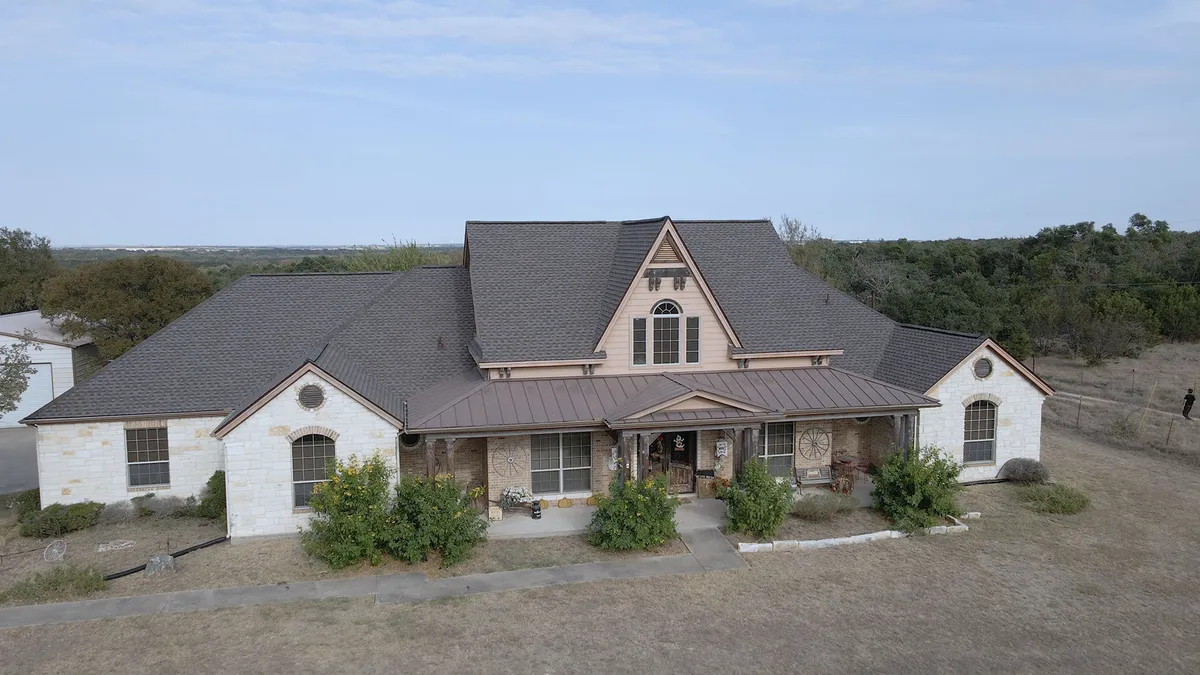
A new roof. Especially metal. Modernizes your home's protection while adding striking curb appeal.
Your Replacement,
Start to Finish
No surprises. Here's exactly how we handle your roof replacement, from first inspection to final walkthrough.
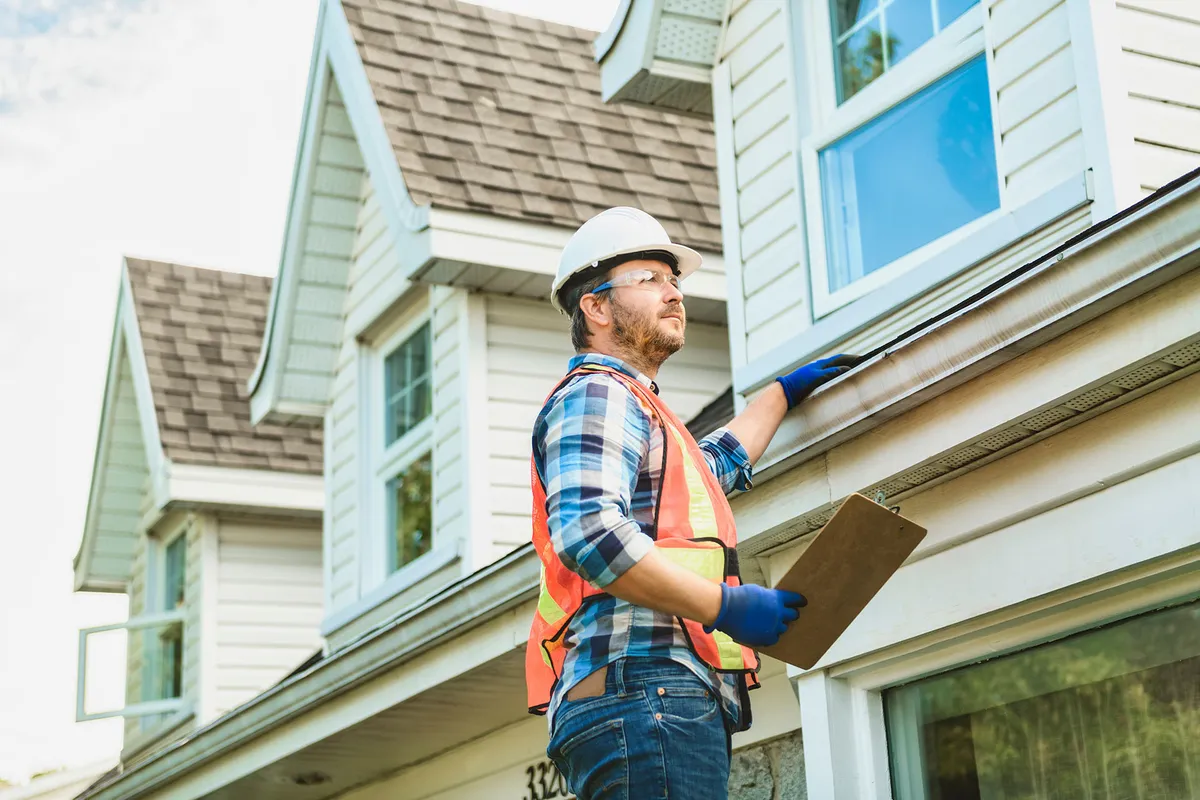
Inspection & Documentation
We inspect your roof top-to-bottom, photograph all damage, and give you a written report. If insurance is involved, this documentation is your best asset.
We use drones and on-roof walkthroughs to catch damage invisible from the ground.
The Pro's Guide to Roofing
Asphalt Shingles vs. Metal Roofing: Which Is Right for You?
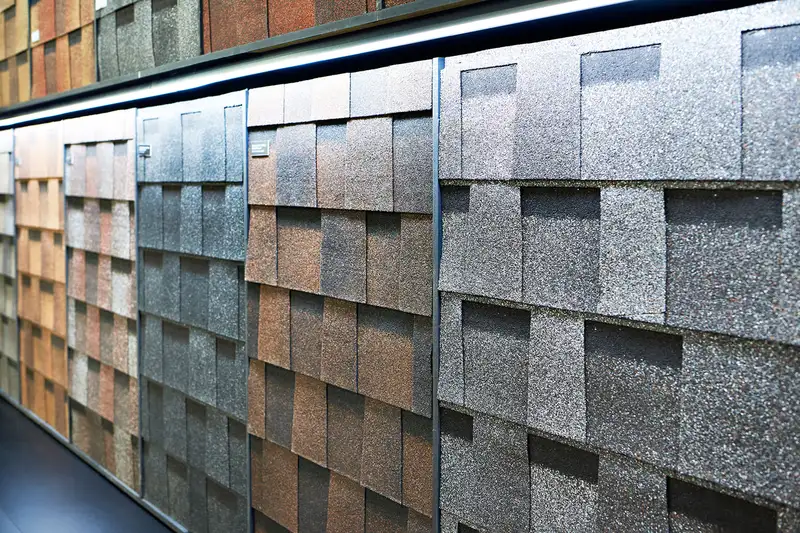
Asphalt shingles are the most popular residential roofing material in America. Affordable, widely available, and effective. A quality architectural shingle roof lasts 20–30 years and comes in dozens of colors and profiles. Metal roofing, on the other hand, lasts 50–70 years, reflects solar heat to reduce cooling costs by up to 25%, and withstands winds up to 140 mph. The upfront cost of metal is higher, but when you factor in the lifespan, lower maintenance, and energy savings, it often costs less over the life of your home. If you plan to stay in your house long-term or want the last roof you'll ever install, metal is the smarter investment. If budget is your top priority and you want a reliable, proven system, architectural shingles are a great choice.
Understanding Roof Layers: What's Under Your Shingles?
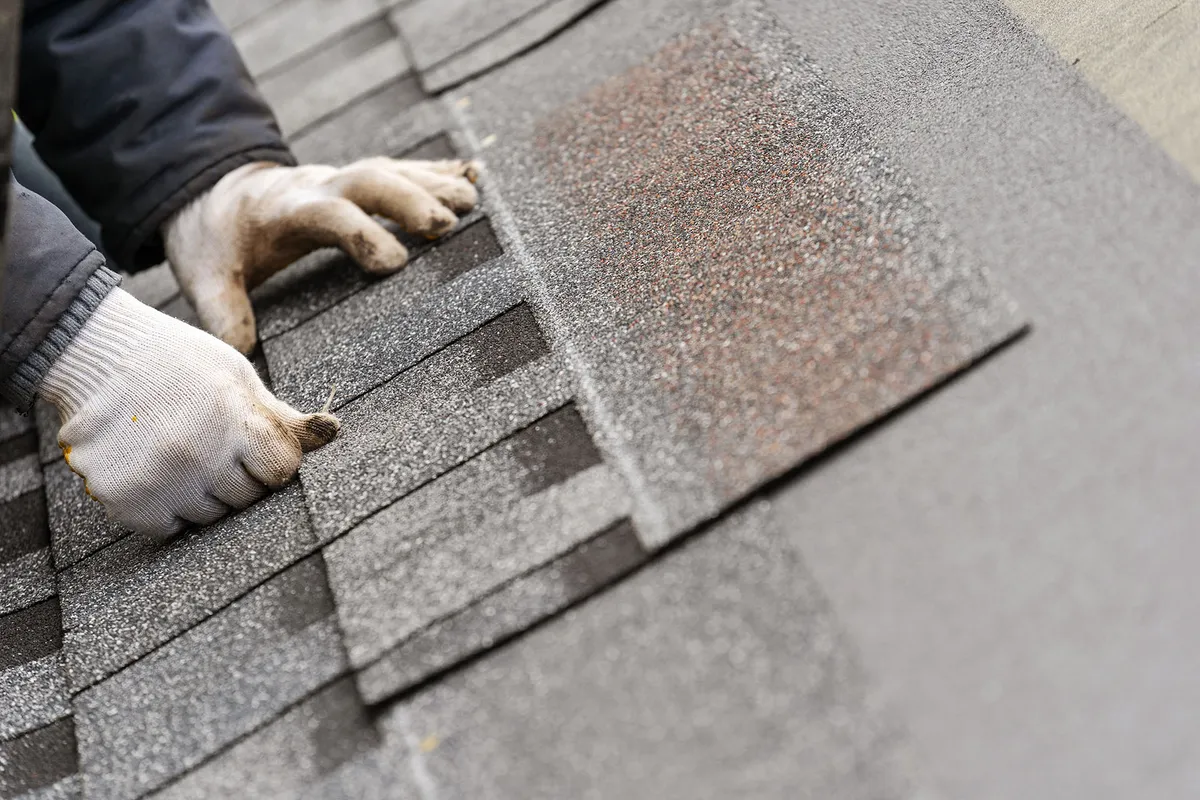
Your roof is more than just shingles, it's a multi-layer system designed to protect your home from water, wind, and heat. Starting from the bottom: the roof deck (usually plywood or OSB) provides the structural base. On top of that goes an ice and water shield in vulnerable areas like valleys, eaves, and around penetrations. Next comes synthetic underlayment, a moisture barrier that covers the entire deck. Then starter strips along the edges prevent wind-driven rain from getting underneath. Finally, the shingles or metal panels go on top, followed by ridge caps and ventilation. Every layer matters. Skip one, and the whole system is compromised.
Roof Ventilation: Why It Matters More Than You Think
Proper attic ventilation is one of the most overlooked aspects of roofing, and one of the most important. Without balanced intake and exhaust ventilation, heat and moisture build up in your attic. In summer, trapped heat can reach 150°F, baking your shingles from below and shortening their lifespan by years. In winter, warm moist air rises into the attic and condenses, leading to mold growth and rotting decking. Proper ventilation uses soffit vents (intake) and ridge vents (exhaust) to create continuous airflow. This keeps your attic temperature closer to the outside air, reduces ice dams, extends shingle life, and lowers your energy bills.
How Long Does a Roof Last? Lifespan by Material
The lifespan of your roof depends heavily on the material, installation quality, and climate. Three-tab asphalt shingles typically last 15–20 years. Architectural (dimensional) shingles last 25–30 years. Premium designer shingles can push 30–40 years. Standing seam metal roofing lasts 50–70+ years with minimal maintenance. Tile and slate roofs can last 75–100+ years but require specialized installation and structural support. In storm-prone regions, impact-resistant shingles (Class 4 rated) offer better longevity because they resist hail damage. Whatever material you choose, proper installation is the single biggest factor in how long your roof actually performs.
What Happens During a Full Roof Replacement?
A complete roof replacement is a multi-step process. First, we protect your landscaping, windows, and siding with tarps and boards. Then the existing roofing material is stripped down to the deck. Every shingle, every nail. Once exposed, we inspect every inch of decking for rot, water damage, or soft spots, replacing any compromised boards. Next, we install ice and water shield in critical areas, followed by synthetic underlayment across the entire surface. Drip edge goes along all eaves and rakes. Then the new shingles or metal panels are installed according to manufacturer specifications. Finally, ridge caps and ventilation components are added. The entire site is cleaned with magnetic nail sweeps, and we do a final walkthrough with you.
GAF Master Elite: Why Certification Matters
Not all roofing contractors are created equal. GAF, the largest roofing manufacturer in North America, awards Master Elite certification to only the top 2% of roofing contractors in the country. To earn it, a contractor must demonstrate proper licensing and insurance, a proven track record of quality installations, and a commitment to ongoing professional training. Why does this matter to you? Because a GAF Master Elite contractor can offer the Golden Pledge warranty, the strongest warranty in roofing. Covering materials and workmanship for up to 50 years, including the first 25 years at 100% coverage with no deductible. A regular contractor can only offer the manufacturer's standard limited warranty.
Insurance Claims After Storm Damage: What You Need to Know
If a storm damages your roof, you have the right to file an insurance claim. Here's what most homeowners don't know: insurance adjusters work for the insurance company, not for you. Their job is to minimize the payout. That's why it's critical to have your own roofing expert present during the inspection. A qualified contractor will identify damage the adjuster might miss, from bruised shingles to dented flashing, and provide documentation that supports a full and fair claim. You should file your claim promptly, as most policies have time limits. Never sign anything from a contractor before your insurance has approved the claim, and never accept a check that feels low without getting a second opinion.
Energy Efficiency: How Your Roof Affects Your Energy Bills
Your roof plays a massive role in your home's energy efficiency. Dark-colored traditional shingles absorb heat, transferring it into your attic and living spaces. In hot climates, this can increase cooling costs by 20–40%. Cool-roof shingles with reflective granules bounce back more solar energy, keeping your attic cooler. Metal roofing is even more effective, it reflects up to 70% of solar energy and re-emits absorbed heat rapidly. Combined with proper ventilation and attic insulation, the right roofing material can significantly reduce your HVAC load. Some energy-efficient roofing options may also qualify for federal tax credits or local utility rebates.
Common Questions
Most residential roof replacements are completed in 1–3 days depending on the size and complexity of the project. We'll give you a clear timeline upfront.
We install top-tier asphalt shingles, standing seam metal, and commercial-grade systems. We'll help you choose the best option based on your home, budget, and goals.
Yes. A quality metal roof lasts 50–70 years, two to three times longer than asphalt. When you factor in reduced maintenance and energy savings, it typically costs less over the life of your home.
Not at all. Modern metal roofs are installed over solid decking with underlayment that dampens sound. Most homeowners say their metal roof is no louder than any other type.
Yes. We document everything, meet with adjusters, and provide you with a professional damage assessment and repair recommendation report that can assist you with the claim process.
Ready to Protect Your Home?
No obligation. Free inspection within 24 hours.
Schedule My Free Inspection →