Let the Light In. Keep the Weather Out.
Energy-efficient window replacement that improves comfort, curb appeal, and savings.
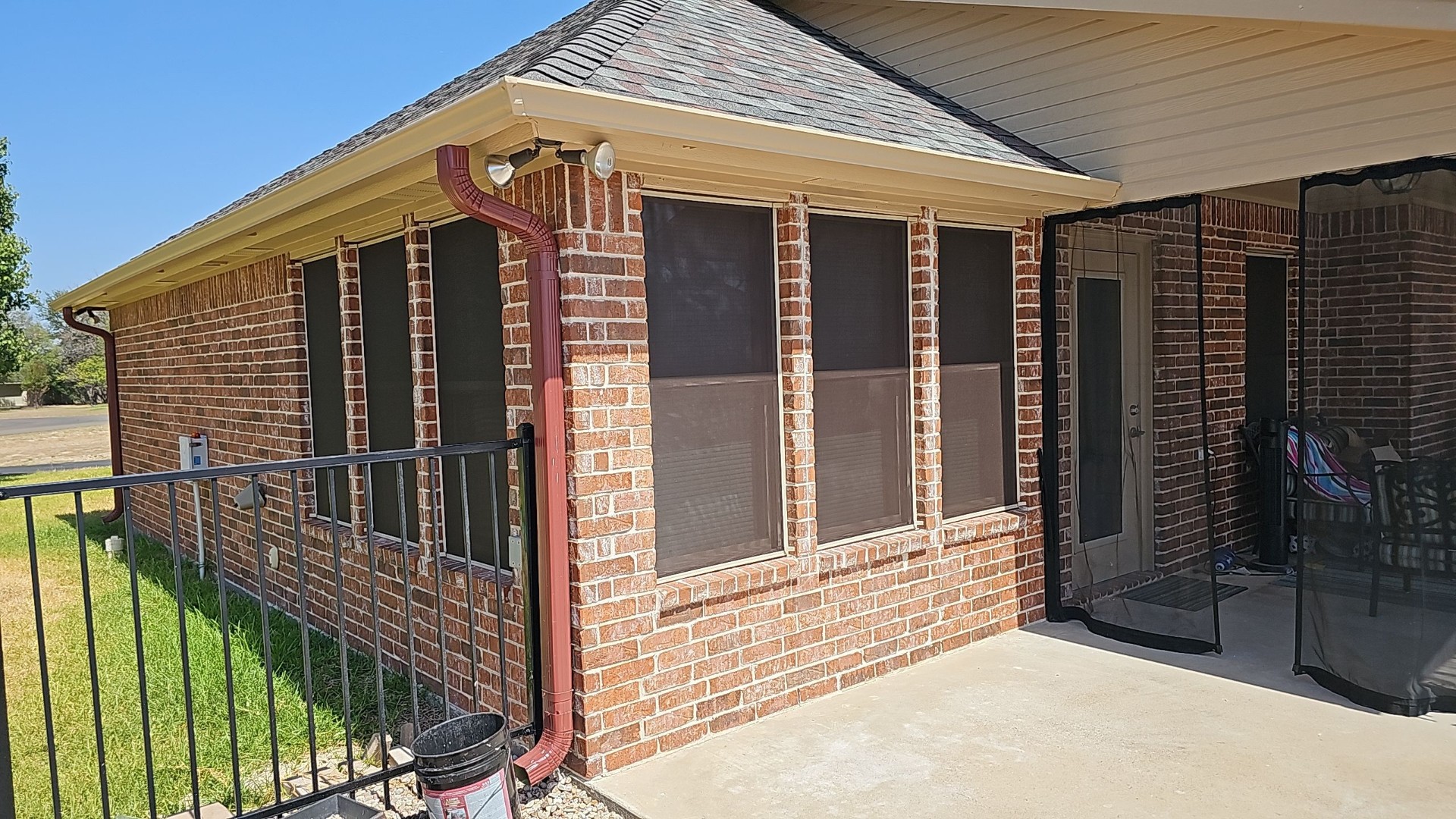
Old Windows Cost You More Than You Realize
Drafty, fogged, or outdated windows are quietly draining your wallet and your comfort. Single-pane glass and worn seals let conditioned air escape all year long, forcing your HVAC system to work overtime. Beyond energy loss, failing windows look dated, operate poorly, and can even compromise your home's security. It's one of those problems that gets worse the longer you wait.
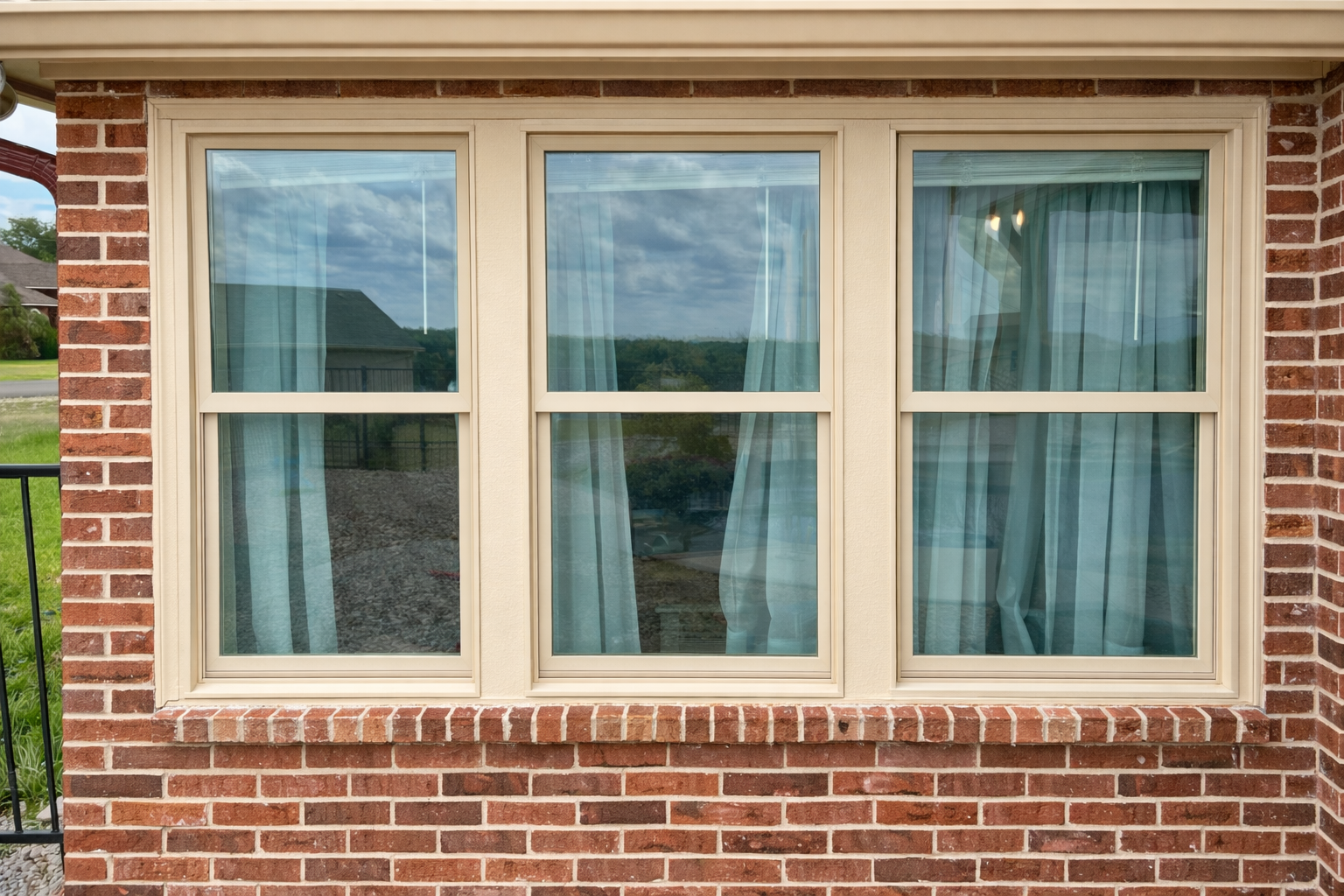
Modern Windows. Better Comfort. Real Savings.
We replace your old windows with energy-efficient, beautifully crafted units that transform how your home feels and performs. Every installation is custom-measured, professionally sealed, and built to last. Improving insulation, eliminating drafts, and boosting curb appeal in one step.
Signs You Need New Windows
Drafts Near Windows
If you feel cold air near closed windows, your seals have failed and energy is escaping.
Condensation Between Panes
Moisture between glass layers means the insulating seal is broken and the window is no longer efficient.
Difficulty Opening or Closing
Windows that stick, jam, or won't lock properly are a safety and security concern.
Visible Frame Damage
Rotting, warping, or cracking frames indicate structural failure that can't be fixed with caulk.
How We Do It
Measurement
Precise measurements ensure a perfect fit for every window opening.
Selection
Choose from energy-efficient options that match your home's style and budget.
Removal & Install
Old windows come out, new ones go in. Professionally sealed and insulated.
Seal & Inspect
Every window is sealed, tested, and inspected before we leave.
The Pro's Guide to Windows
Single-Pane vs. Double-Pane vs. Triple-Pane Windows
Single-pane windows. Standard in homes built before the 1980s. Offer virtually no insulation. They allow heat to transfer freely, create cold spots near windows in winter, and force your HVAC system to work overtime. Double-pane (or dual-pane) windows use two layers of glass with an insulating gas fill (usually argon) between them, reducing heat transfer by up to 50% compared to single-pane. Triple-pane windows add a third layer of glass and a second gas-filled chamber, providing the highest insulation value available. They're especially beneficial in extreme climates or for rooms that face harsh sun exposure. For most homeowners, double-pane with Low-E coating offers the best balance of performance and value. Triple-pane makes sense for high-performance homes or particularly noisy environments.
Understanding Low-E Glass and Energy Ratings
Low-E (low emissivity) glass has a microscopically thin metallic coating that reflects infrared heat while allowing visible light to pass through. In summer, it reflects solar heat away from your home. In winter, it reflects indoor heat back inside. This invisible coating can reduce energy loss through windows by 30–50%. When shopping for windows, you'll encounter two key ratings: U-factor measures how well a window insulates (lower is better. Look for 0.30 or below), and Solar Heat Gain Coefficient (SHGC) measures how much solar radiation passes through (lower numbers block more heat). ENERGY STAR certification means the window meets EPA efficiency standards for your climate zone. Don't just compare prices. Compare these performance numbers.
Window Frame Materials: Vinyl, Wood, Fiberglass, and Aluminum
The frame material affects your window's performance, appearance, maintenance requirements, and cost. Vinyl frames are the most popular choice. Affordable, energy-efficient, low-maintenance, and available in multiple colors. They won't rot, peel, or need painting. Wood frames offer classic beauty and excellent insulation but require periodic painting or staining to prevent rot. Fiberglass frames are the premium option. Extremely strong, energy-efficient, and virtually maintenance-free, but they come at a higher price point. Aluminum frames are durable and slim-profiled but conduct heat readily, making them less energy-efficient without a thermal break. For most residential replacements, vinyl delivers the best combination of performance, aesthetics, and value.
How Window Replacement Improves Home Security
Modern replacement windows offer security features that older windows simply can't match. Multi-point locking systems engage at multiple points along the sash, making forced entry significantly more difficult compared to single-point locks on older windows. Tempered or laminated glass options resist breakage. Laminated glass holds together even when shattered, creating a barrier that's extremely difficult to breach. Reinforced frames and fusion-welded corners eliminate weak points that intruders could exploit. For ground-floor windows or windows hidden from street view, these security upgrades provide meaningful peace of mind. Many insurance companies even offer premium discounts for homes with modern, security-rated windows.
The Window Replacement Process: What to Expect
Professional window replacement is less disruptive than most homeowners expect. The process begins with precise measurements of every window opening. Even openings that look the same size can vary by fractions of an inch, which is why custom-ordered windows fit better than stock sizes. On installation day, the crew removes the old window, inspects the rough opening for damage or rot, makes any necessary repairs, and installs the new window with proper shimming, insulation, and weathersealing. Each window is tested for smooth operation and proper locking. Most homes can be completed in 1–2 days. The work is done from inside and outside, so expect some foot traffic through your home. Move fragile items away from windows beforehand, and your installer will handle the rest.
When to Repair vs. Replace Your Windows
Not every window problem requires full replacement. If your windows are relatively modern (less than 15 years old) and the issue is limited, a broken lock, a torn screen, a small seal failure on one unit. Repair is often the practical choice. However, replacement makes more sense when: multiple windows show condensation between panes (indicating widespread seal failure), frames are rotting or warping, windows are single-pane with no Low-E coating, you feel significant drafts even when windows are closed, or your energy bills are noticeably high. As a general rule, if more than 30% of your windows need attention, replacing them all at once is more cost-effective and ensures consistent performance and appearance across your home.
Common Questions
We partner with industry-leading manufacturers to provide high-performance, energy-efficient windows. We'll recommend the best options based on your needs and budget.
Yes. Energy-efficient windows can reduce heating and cooling costs by 10–25% depending on the age and condition of your current windows.
Most homes can be completed in 1–2 days. Larger projects or custom orders may take slightly longer, and we'll give you a clear timeline upfront.
No. We can replace windows in phases based on priority and budget. We'll help you identify which windows need attention first.
Ready to Protect Your Home?
No obligation. Free inspection within 24 hours.
Schedule My Free Inspection →