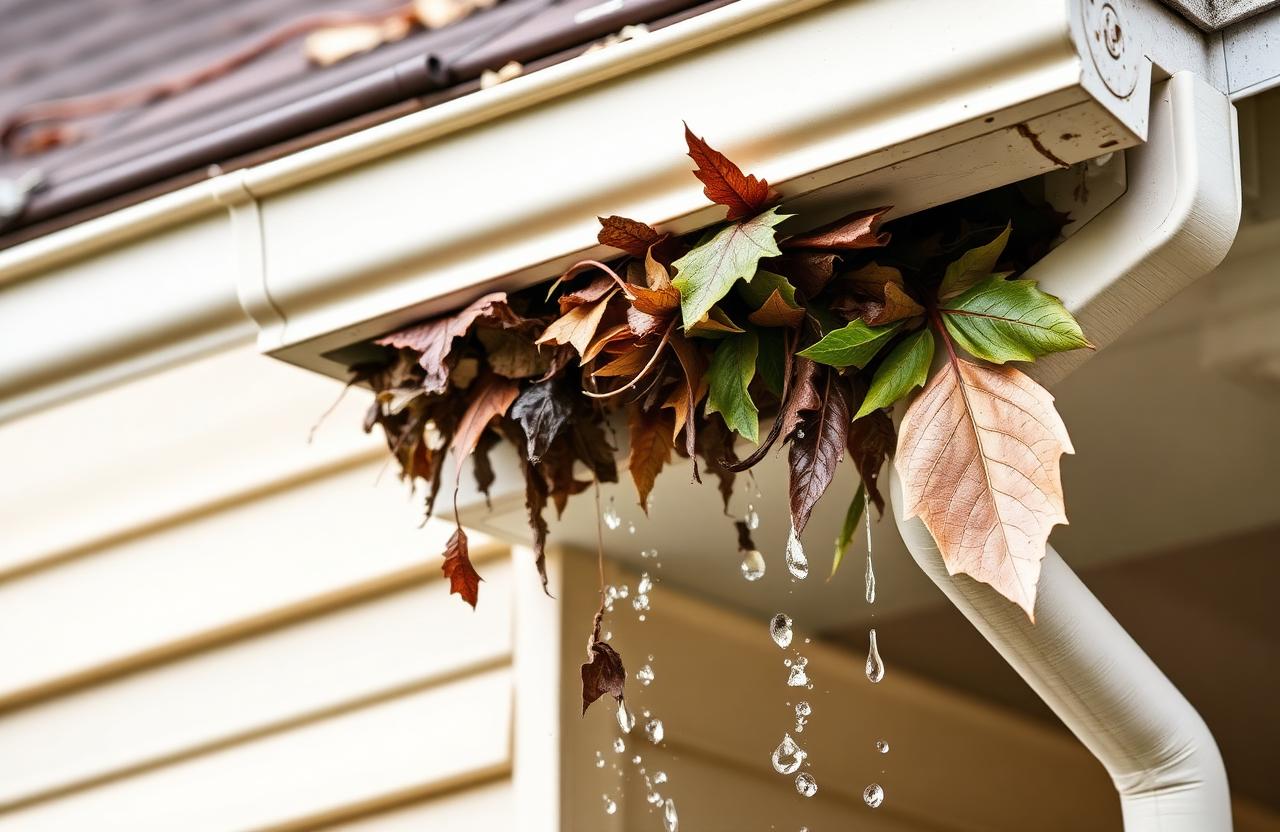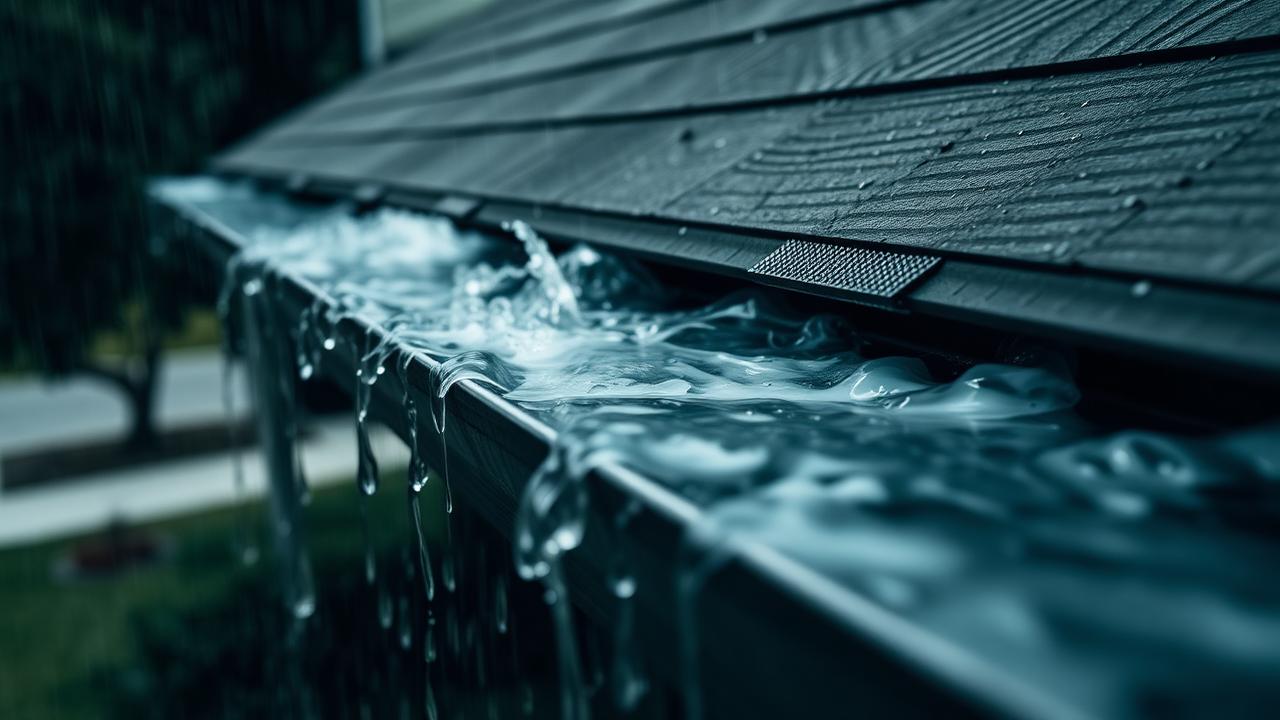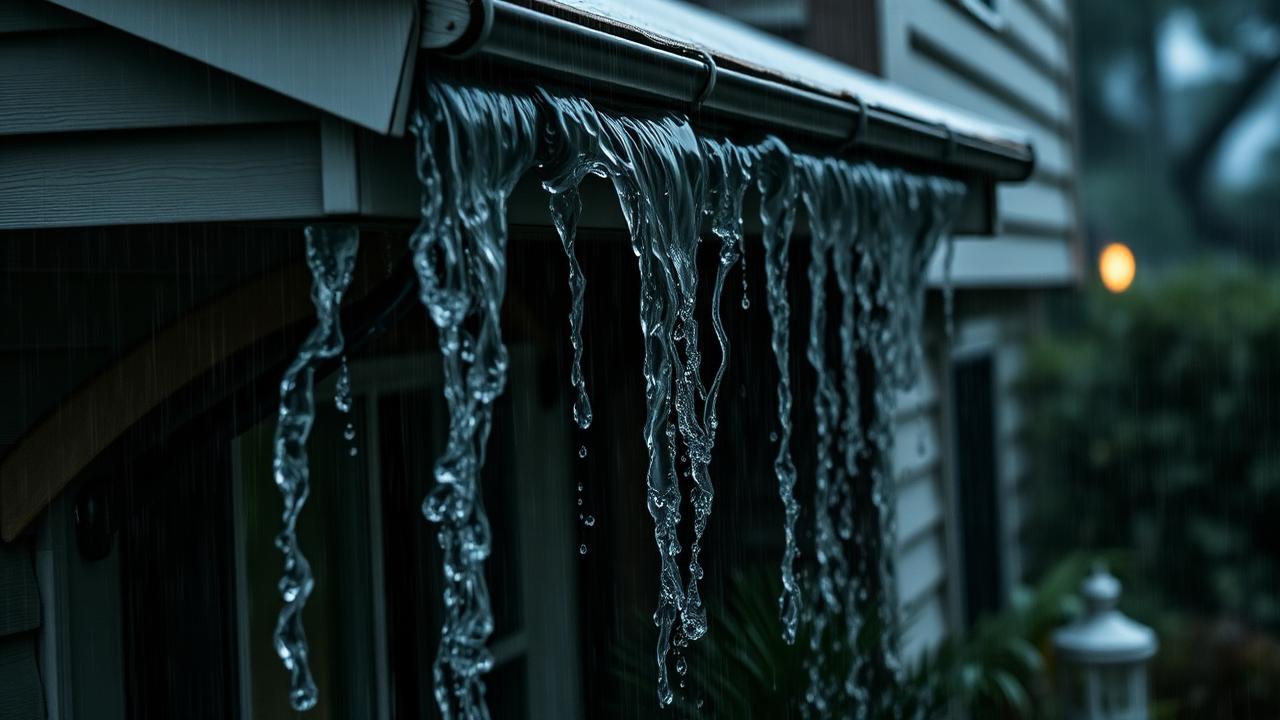
Gutter problems are often treated as small, isolated issues. A sagging section, a brief overflow during heavy rain, or a loose downspout may feel like minor inconveniences rather than serious concerns. In reality, gutter water damage rarely stays contained. Once water leaves its intended path, it begins interacting with other systems that were never designed to handle constant moisture exposure.
Understanding how gutter water damage spreads helps homeowners see why delayed attention often leads to multiple repairs instead of a single fix. Gutters are not standalone accessories. They are part of a larger water management system that protects the roof edge, walls, and foundation.

Why Gutter Problems Are Never Truly Isolated
Gutters exist to control where water goes after it leaves the roof. When that control is lost, water does not disappear. It simply follows gravity and pressure to the next vulnerable surface.
Because gutters sit at the transition point between roof and wall, any failure immediately affects adjacent materials. Fascia, siding, and soil all become part of the drainage path.
This is why gutter water damage almost always involves more than one component. The gutter may be the starting point, but the consequences appear elsewhere.
How Water Mismanagement Begins at the Roof Edge
The roof edge is one of the most critical areas for water control. Large volumes of water concentrate here during rain. Gutters are designed to capture that flow and redirect it safely away.
When gutters overflow, sag, or pull away, water spills directly onto fascia and trim. These materials are exposed repeatedly, often during the heaviest rainfall.
Over time, this exposure creates gutter water damage that weakens protective coatings and allows moisture to penetrate deeper layers.
Why Fascia Is Often the First Casualty
Fascia boards sit directly behind gutters, making them the first surface affected when water escapes. They are designed to remain dry, not to handle continuous wetting.
Repeated overflow or leakage causes fascia to absorb moisture. Paint may peel, wood may soften, and fasteners may loosen.
Once fascia is compromised, gutters lose stable support. This creates a feedback loop where sagging worsens overflow, accelerating gutter water damage.
How Gutter Water Damage Travels to Siding
When water spills over gutters, it often runs down exterior walls. Siding systems are designed to shed incidental moisture, not handle concentrated runoff.
Repeated exposure leads to:
- •Surface staining
- •Moisture retention behind siding
- •Increased wear near seams and trim
Because siding damage develops gradually, homeowners may not connect it back to gutters. The gutter problem may feel minor while siding deterioration continues quietly.
Why Siding Damage Is Often Misinterpreted
Siding issues caused by gutter water damage often appear uneven. One section of wall may show staining or softness while others remain intact.
This unevenness can lead homeowners to assume material defects or age related wear.
In reality, the affected areas often align with overflow points or misdirected downspouts.
Without understanding the water path, repairs may focus on the symptom rather than the cause.

How Water Reaches the Foundation
Once water leaves the gutter system, gravity pulls it downward. If downspouts are overwhelmed or missing, water collects at the base of the home.
Soil near the foundation becomes saturated. This increases hydrostatic pressure against foundation walls.
According to the U.S. Environmental Protection Agency, improper drainage is a leading contributor to foundation moisture issues.
Gutter water damage often plays a central role in this process.
Why Foundation Problems Feel Disconnected From Gutters
Foundation issues typically appear far from the roofline. Cracks, moisture, or basement dampness feel unrelated to gutters.
This physical separation creates a mental disconnect.
Homeowners may address basement moisture without realizing the source is repeated water dumping near the foundation from above.
Because the timeline is slow, the connection is easy to miss.
The Escalation Path of Unaddressed Gutter Issues
Gutter water damage tends to escalate in predictable stages.
Early on, water escapes the system intermittently. Damage is cosmetic or hidden.
As exposure continues, materials begin to degrade. Fascia weakens, siding absorbs moisture, and soil remains damp longer.
Eventually, structural elements become involved, increasing repair complexity and cost.
Why Delays Multiply Repair Needs
Addressing gutter issues early often involves limited adjustments. When delays occur, multiple systems require attention.
Instead of fixing a drainage issue, homeowners may face:
- •Fascia replacement
- •Siding repair
- •Foundation moisture mitigation
Each added repair increases disruption and expense.
How Small Gutter Problems Create Big Outcomes
Minor gutter misalignment or overflow does not feel urgent. Water still drains most of the time.
However, repeated exposure compounds damage.
Gutter water damage is rarely dramatic at first. It is cumulative.
Understanding this cumulative effect helps explain why problems appear suddenly after years of subtle warning signs.

Why Interconnected Systems Matter
Homes function as integrated systems. Water control depends on multiple components working together.
Gutters, fascia, siding, and foundations are linked by water movement.
Ignoring one component shifts stress to others.
This is why addressing gutter issues protects far more than the gutter itself.
How Professional Evaluation Provides Context
Because gutter water damage spreads across systems, evaluation requires a broad perspective.
At Action Exteriors, assessments focus on how water moves across the entire exterior.
This approach identifies escalation paths rather than isolated failures.
Homeowners can discuss observations or concerns through the Action Exteriors contact page.
How Gutter Water Damage Progresses Over Time
Gutter water damage rarely escalates overnight. In most homes, it develops through repeated exposure rather than a single failure. Each rainfall adds another layer of stress to materials that were never meant to stay wet for long periods.
Because the progression is gradual, homeowners often underestimate how long the issue has been present. By the time multiple systems show damage, the original gutter problem may feel distant or unrelated.
Why Repeated Wetting Matters More Than One Storm
A single heavy storm can overwhelm almost any drainage system. What creates long term damage is repetition.
When gutters mismanage water consistently, fascia boards, siding surfaces, and soil near the foundation remain damp longer than intended.
Materials exposed to repeated wetting experience:
- •Slower drying cycles
- •Increased moisture absorption
- •Reduced durability over time
This repeated exposure is the foundation of gutter water damage escalation.
How Fascia Damage Leads to Structural Instability
Once fascia begins to deteriorate, it loses its ability to support gutters properly. Fasteners loosen as wood softens or materials weaken.
This creates additional sag in the gutter system.
Sagging gutters hold more water, increasing weight and overflow frequency.
The result is a cycle where gutter water damage accelerates itself through loss of support.
Why Siding Becomes a Secondary Drainage Path
When gutters fail to capture runoff, siding becomes an unintended drainage surface.
Water runs down walls repeatedly, concentrating near seams, trim, and penetrations.
Over time, this exposure increases moisture behind siding, even in systems designed to shed incidental water.
Siding damage caused by gutter water damage often appears as subtle changes before visible deterioration.
How Moisture Moves Behind Exterior Surfaces
Water does not always remain on the surface. Capillary action and pressure differences pull moisture into small gaps.
Once behind siding or trim, drying becomes less effective.
This trapped moisture affects sheathing and insulation long before exterior surfaces show damage.
This hidden progression explains why repairs often feel larger than expected.

Why Soil Saturation Is a Critical Warning Sign
Gutter water damage often redirects water toward the base of the home.
Soil near the foundation absorbs repeated runoff, remaining saturated longer after storms.
This persistent saturation increases pressure against foundation walls and slab edges.
Over time, this contributes to cracks, moisture intrusion, or uneven settling.
According to the U.S. Environmental Protection Agency, effective surface drainage is essential for protecting foundations.
Why Foundation Damage Feels Disconnected at First
Foundation issues develop far from the roofline, which makes them feel unrelated to gutters.
Basement dampness, wall cracks, or musty odors often lead homeowners to focus on interior solutions.
Without considering gutter water damage, the true source may remain unaddressed.
This disconnect allows the cycle to continue.
The Escalation Timeline Homeowners Commonly Experience
Many homeowners follow a similar escalation path:
- •Occasional gutter overflow during storms
- •Minor fascia or trim changes
- •Siding staining or softness
- •Persistent soil saturation
- •Interior moisture or foundation concerns
Each stage builds on the last.
Understanding this timeline helps homeowners recognize issues earlier.
Why Partial Repairs Often Fall Short
Addressing only one symptom rarely stops gutter water damage.
Replacing fascia without correcting overflow allows moisture to return.
Repairing siding without redirecting water leads to repeated exposure.
Effective solutions address water behavior, not just damaged materials.
How Water Finds the Path of Least Resistance
Water follows gravity, pressure, and available openings.
When gutters do not guide water correctly, it seeks alternative paths.
These paths often include:
- •Behind trim
- •Along siding seams
- •Down foundation walls
Each path increases exposure to materials not designed for constant moisture.
Why Gutter Water Damage Rarely Stops on Its Own
One of the most dangerous assumptions homeowners make about gutter water damage is that it will stabilize if left alone. In reality, water management problems tend to worsen over time rather than resolve naturally.
Gutters operate at a critical transition point where roof runoff must be captured and redirected. When that transition fails, water does not simply fall harmlessly to the ground. It begins interacting with materials that are not designed for repeated moisture exposure.
Gutter water damage rarely stops because the underlying conditions remain unchanged. Water continues to follow the same path during every storm, reinforcing the same stress points.
Each rainfall contributes to:
- •Increased moisture absorption in fascia and trim
- •Repeated wetting of siding surfaces
- •Progressive soil saturation near the foundation
These effects are cumulative. Materials weaken incrementally, often without visible warning until damage becomes advanced.
Another reason gutter water damage persists is that gravity always wins. Water will continue to move downhill along the easiest route available. If gutters do not control that movement, water will repeatedly exploit the same vulnerabilities.
Temporary drying between storms does not reverse the impact of repeated wetting. It only slows visible deterioration while internal damage continues.
Understanding this persistence helps homeowners move away from a wait-and-see mindset. Gutter water damage is not a self-correcting problem. It requires intervention to interrupt the water path.
Once homeowners recognize that inaction allows water behavior to repeat indefinitely, the value of early attention becomes clearer.
How Gutter Water Damage Creates Compounding Exterior Stress
Gutter water damage does not affect exterior components in isolation. Each impacted surface increases stress on the next, creating a compounding effect that spreads damage across the home.
When fascia becomes saturated, it loses rigidity. This weakens gutter attachment points, increasing sag and overflow frequency.
Increased overflow directs more water onto siding. Siding systems are designed to manage incidental moisture, not repeated concentrated runoff.
As siding absorbs and sheds water repeatedly, drying time increases. Moisture begins to linger behind exterior surfaces.
This lingering moisture affects:
- •Sheathing behind siding
- •Insulation performance
- •Fasteners and framing near openings
Meanwhile, excess water reaching the ground continues to saturate soil near the foundation. As soil remains damp longer, drainage slows and hydrostatic pressure increases.
Each system reinforces the next. Weakened fascia worsens overflow. Overflow accelerates siding exposure. Saturated soil increases foundation stress.
This is why gutter water damage often leads to multiple repair categories rather than a single fix.
Homeowners may initially address one symptom, such as replacing damaged trim. Without correcting water behavior, stress simply shifts to another component.
Recognizing compounding stress helps homeowners understand why partial repairs often feel ineffective.
Gutter water damage is best addressed by restoring controlled water movement, not just repairing damaged surfaces.
Why Gutter Water Damage Often Escalates Quietly
One of the most challenging aspects of gutter water damage is how quietly it progresses. There is rarely a single moment when damage feels urgent.
Early signs are subtle. Paint may bubble slightly. Soil may remain damp longer after rain. A small stain may appear and then stop changing.
Because these signs do not interrupt daily life, they are easy to normalize.
Gutter water damage escalates quietly because:
- •Exposure occurs intermittently rather than constantly
- •Drying between storms masks cumulative impact
- •Damage develops behind surfaces before becoming visible
This quiet progression creates a false sense of stability. Homeowners may believe the issue is not worsening when, in reality, it is deepening.
By the time damage becomes obvious, multiple systems may already be affected.
Another reason escalation feels sudden is that water damage often reaches a tipping point. Materials can tolerate moisture exposure for a time before failing rapidly.
Once that threshold is crossed, deterioration accelerates and becomes visible.
Understanding this pattern helps homeowners interpret early warning signs more accurately.
Gutter water damage is rarely dramatic at first, but it is persistent. Quiet progression does not mean low risk.
Awareness of this behavior allows homeowners to act during the low-impact stage rather than waiting for visible failure.
Why Damage Often Appears Uneven
Gutter water damage rarely affects the entire home evenly.
Roof design, valleys, and downspout locations concentrate runoff in specific areas.
As a result, one corner or wall may show advanced damage while others appear unaffected.
This unevenness can be confusing without understanding water flow.
How Awareness Changes Maintenance Decisions
When homeowners understand how gutter water damage spreads, priorities shift.
Gutters are no longer viewed as accessories.
They become a primary line of defense for the exterior system.
This perspective supports proactive observation rather than reactive repair.
Why Early Action Reduces Overall Cost
Early intervention often involves minor adjustments such as improving pitch, adding downspouts, or managing runoff points.
When gutter water damage is allowed to progress, repairs expand across systems.
Addressing the cause early limits the number of affected components.
How Professional Evaluation Helps Identify Connections
Because gutter water damage involves multiple systems, evaluation benefits from experience.
At Action Exteriors, assessments trace water movement from roof to ground.
This systems approach identifies escalation paths rather than isolated symptoms.
Homeowners can discuss observations or concerns through the Action Exteriors contact page.
Why Understanding Interconnection Reduces Stress
When homeowners see how gutter water damage connects different issues, confusion decreases.
Problems that once felt random begin to make sense.
This clarity supports confident planning instead of reaction.
Final Thoughts
Gutter water damage rarely remains confined to the gutter itself. Once water escapes its intended path, it interacts with fascia, siding, soil, and foundations.
Because this process unfolds gradually, damage often feels sudden even though it developed over time.
Understanding these connections allows homeowners to recognize escalation early and protect their homes more effectively.