Leaks Don't Wait. Neither Do We.
From storm damage to emergency repairs, we inspect, diagnose, and fix your roof fast so you're protected before the next storm hits.
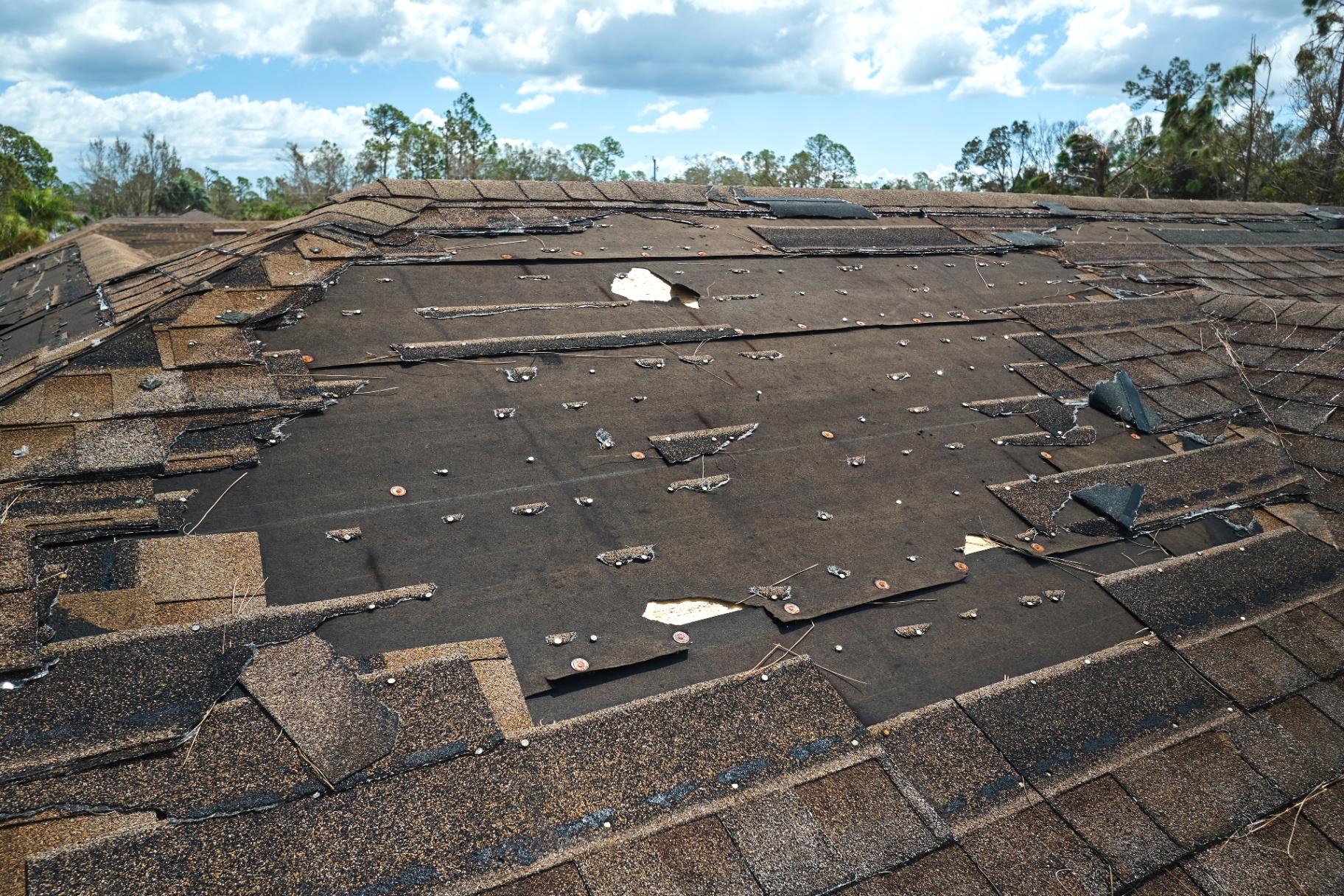
Storm Damage Doesn't Wait, and Neither Should You
A small leak today can become a major headache tomorrow. When a storm tears through your neighborhood, the damage doesn't stop when the rain does. Hail dents, cracked flashing, missing shingles, and water intrusion are all actively destroying your home. Every hour you wait increases the risk of rotting decking, mold growth, and skyrocketing repair costs. Worse, delaying your inspection can give your insurance company a reason to deny your claim entirely.
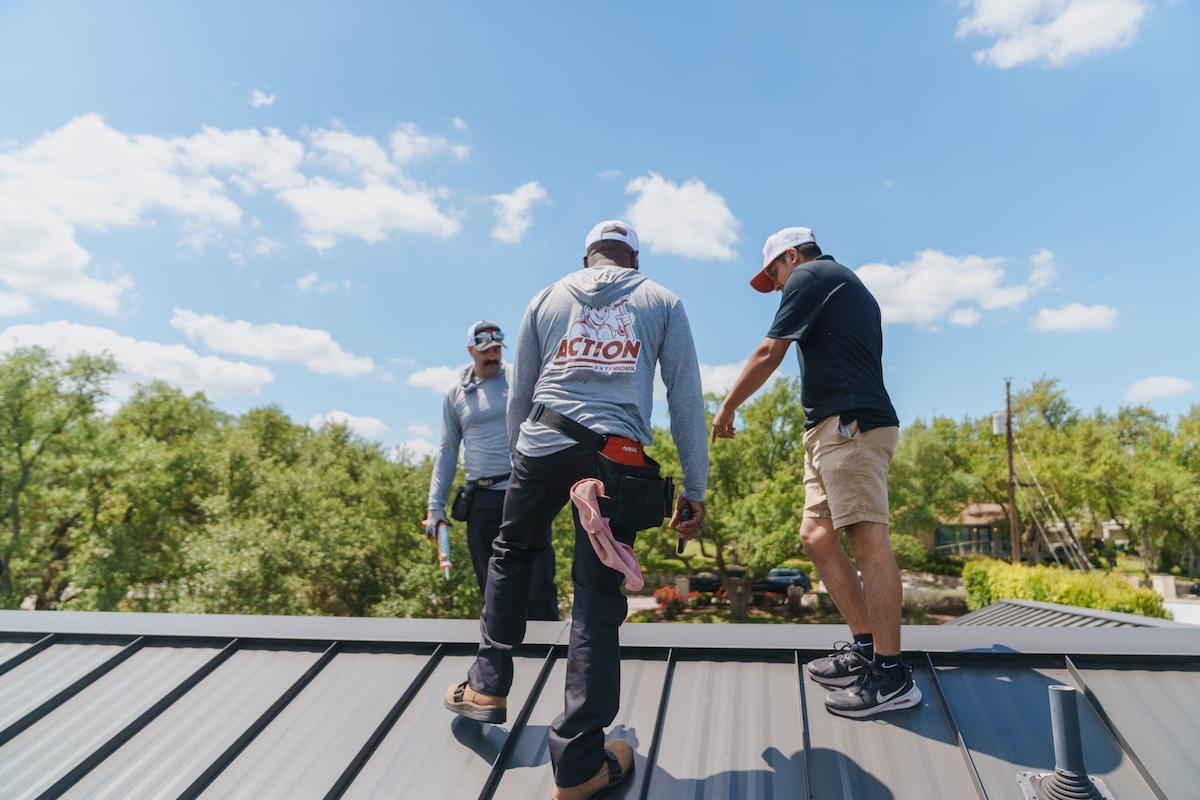
Fast Diagnosis. Targeted Repair. Full Insurance Support.
We inspect every inch of your roof to find the real source of the problem, not just the symptoms. Whether it's an emergency tarp at 2AM or a full storm damage restoration, our crew performs targeted, lasting repairs using quality materials. We document everything to support your insurance claim, are available to meet with your adjuster, and help you every step of the way.
Signs You Need Roof Repair
Ceiling Stains or Water Marks
Brown spots on your ceiling are a clear sign that water is getting through your roof.
Missing or Lifted Shingles
Gaps in your shingle coverage leave your roof deck exposed to rain, wind, and debris.
Hail or Wind Damage
Dented shingles, cracked siding, and torn flashing that compromise your home's protective barrier and lead to hidden leaks.
Sagging or Uneven Roofline
A dip in your roofline often signals structural damage beneath the surface.
Active Leak or Visible Opening
Water dripping from the ceiling or any opening in your roof is an emergency. Your home needs immediate attention.
Your Neighbor Had Storm Damage
Storm damage affects entire neighborhoods. If your neighbor's roof was hit, chances are yours was too.
How We Do It
Inspect
A thorough roof and exterior inspection to find every issue, not just the obvious ones.
Document
Detailed photo reports and damage assessments prepared for your insurance claim.
Repair
Targeted, lasting repairs, from emergency tarping to full storm restoration.
The Pro's Guide to Roof Repair
Common Causes of Roof Leaks and How to Spot Them
Roof leaks rarely start as dramatic water falls from the ceiling. Most begin as slow, hidden drips caused by cracked flashing around chimneys and vents, deteriorated pipe boots, or shingles that have curled or lifted over time. Ice dams in cold weather can force water under shingles and into the decking. Valley areas. Where two roof slopes meet. Are especially vulnerable because they channel large volumes of water. The key to catching leaks early is knowing what to look for: dark spots on ceilings, peeling paint near rooflines, musty odors in the attic, and granules accumulating in your gutters. If you see any of these signs, a professional inspection can pinpoint the source before it becomes a major repair.
Emergency Roof Repair: What to Do When Disaster Strikes
When a storm tears shingles off your roof or a tree branch punctures your decking, the first priority is stopping the water. Professional emergency tarping creates a weatherproof barrier over the damaged area, preventing further water intrusion until permanent repairs can be made. If you're dealing with an active leak, move valuables away from the area, place buckets to catch dripping water, and call a roofing professional immediately. Do not attempt to climb on a wet or damaged roof yourself. Document everything with photos and video for your insurance claim. Time is critical: the sooner you act, the less secondary damage (mold, rotted wood, ruined insulation) you'll face.
How Storm Damage Insurance Claims Actually Work
After a storm damages your roof, you may choose to file a claim with your homeowner's insurance. An adjuster will be assigned to inspect the damage and determine coverage. Having a qualified roofing contractor through the process is critical. A good contractor identifies all the compromised components of the structure damaged by the storm, including things that may not always be visible but can cause long-term issues. Bruised shingles that look fine from the ground, dented flashing, compromised seals, and provides professional documentation to support you and your claim.
Roof Repair vs. Roof Replacement: How to Know Which You Need
Not every roof problem requires a full replacement, and not every repair is worth the money. The general rule: if damage is isolated to a small area (less than 30% of the roof) and the rest of the roof still has significant life remaining, a targeted repair is usually the smarter, more cost-effective choice. However, if your roof is over 20 years old, you've had multiple repairs in the same year, or the damage is widespread across multiple sections, replacement becomes the better long-term investment. A patch on an aging roof is like putting a bandage on a broken bone, it might hold temporarily, but it won't solve the underlying problem. A trustworthy contractor will give you an honest assessment rather than pushing the more expensive option.
The Hidden Dangers of Delaying Roof Repairs
A small roof leak might seem like a minor inconvenience, but the damage it causes compounds rapidly. Water that penetrates your roof doesn't just drip onto your ceiling, it saturates insulation (reducing its effectiveness by up to 40%), soaks into wooden decking and framing (creating conditions for rot and mold within 48 hours), and can even reach electrical wiring, creating a fire hazard. Mold remediation alone can cost $5,000–$30,000 depending on how far it spreads. What starts as a $500 repair can easily become a $15,000 problem in just a few months. The bottom line: the cheapest roof repair is always the one you do today.
What to Expect During a Professional Roof Inspection
A thorough roof inspection goes far beyond a quick glance from the ground. A qualified inspector will examine the condition of your shingles or roofing material, check all flashing points around chimneys, vents, and skylights, inspect pipe boots and seals, evaluate the condition of your gutters and downspouts, look for signs of improper ventilation, and examine the attic space for moisture, mold, or daylight penetration. The inspection should include detailed photos documenting every finding. For storm damage inspections, the contractor will specifically look for hail impact marks, wind-lifted shingles, and debris damage. A good inspection takes 45–60 minutes and results in a written report you can use for insurance purposes or repair planning.
Common Questions
In many cases, yes. If a storm or covered event caused your damage, your homeowner's insurance may cover part or all of the repair.
We aim to be on-site within hours of your call. Our emergency crew operates 24/7, including weekends and holidays.
If the damage is localized and your roof still has significant life remaining, a repair is often the smarter and more affordable option. We'll always give you an honest recommendation.
As soon as possible. Many types of storm damage worsen quickly and waiting can complicate your insurance claim. We recommend scheduling within 48 hours of any major storm.
No. Our storm damage inspections are completely free with no obligation. We'll tell you exactly what we find and help you decide the best next step.
No. Tarping is a temporary measure to prevent further damage. Once your property is secured, we'll work with you on a permanent repair or replacement plan.
Ready to Protect Your Home?
No obligation. Free inspection within 24 hours.
Schedule My Free Inspection →