Roof Repair & Leak Repair
Roof Repair That Doesn’t Wait
Leaks, missing shingles, worn flashing and hail damage. We find the real source, fix it right, and tell you honestly when a repair is all you need.
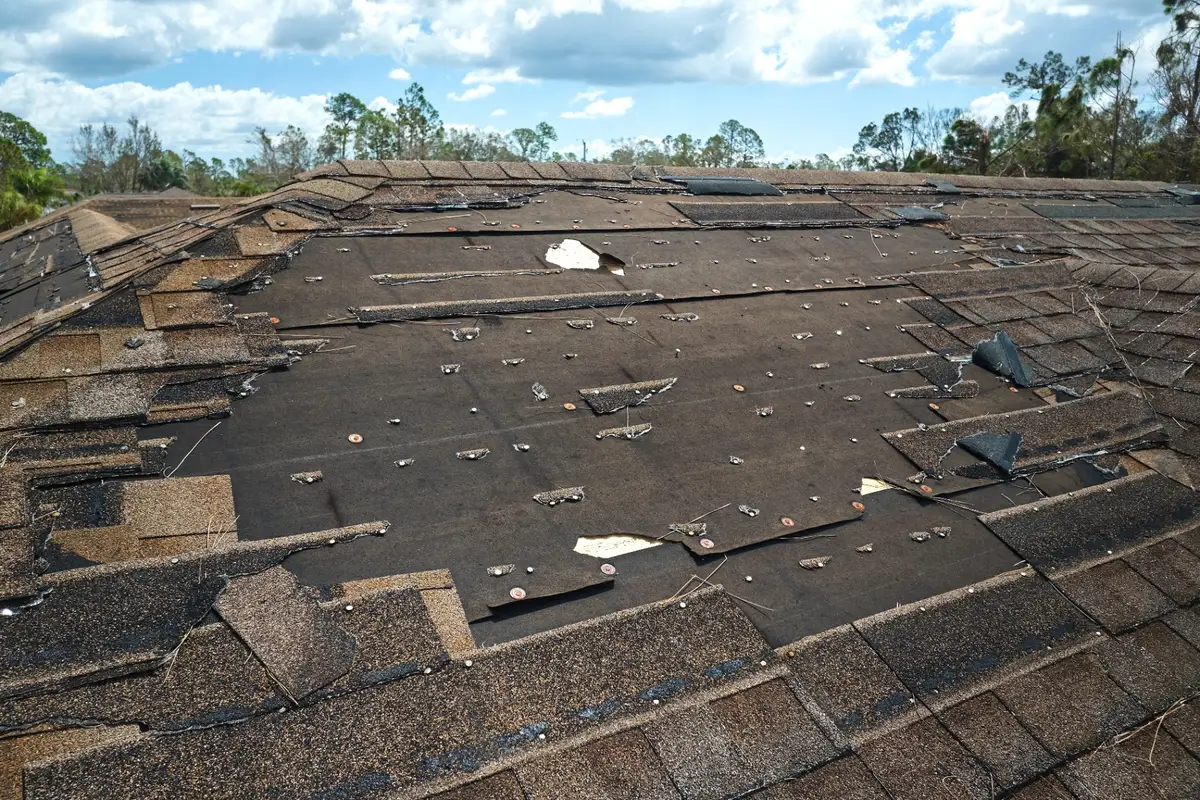
Small Roof Problems Don't Stay Small
A small leak today can become a major repair tomorrow. Worn flashing, a cracked pipe boot or a few missing shingles let water reach the decking long before a stain shows up on your ceiling. By then, insulation is wet, wood is softening and mold can start to grow. Catching damage early is almost always cheaper. And after hail or high wind, getting damage documented promptly keeps your insurance claim on solid ground.
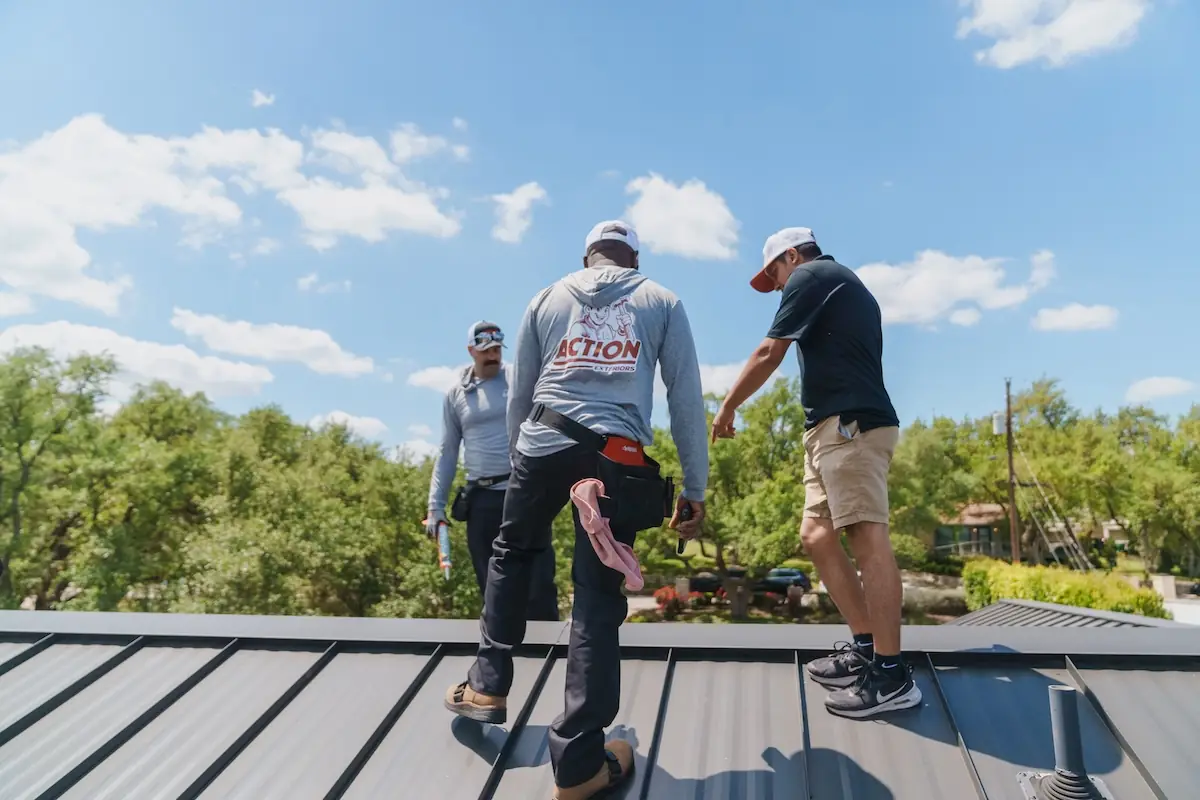
Fast Diagnosis. Targeted Repair. Full Insurance Support.
We inspect every inch of your roof to find the real source of the problem, not just the symptoms. Then we make targeted, lasting repairs with quality materials, whether that means resealing flashing, replacing damaged shingles or fixing a leak down at the decking. If storm damage is involved, we document everything for your insurance claim and can meet with your adjuster.
Signs You Need Roof Repair
Ceiling Stains or Water Marks
Brown spots on your ceiling are a clear sign that water is getting through your roof.
Missing or Lifted Shingles
Gaps in your shingle coverage leave your roof deck exposed to rain, wind, and debris.
Hail or Wind Damage
Dented shingles, cracked siding, and torn flashing that compromise your home's protective barrier and lead to hidden leaks.
Sagging or Uneven Roofline
A dip in your roofline often signals structural damage beneath the surface.
Granules in Your Gutters
Shingles shed their protective granules as they wear or after hail. Piles of grit in your gutters mean your roof is losing its protection.
Your Neighbor Had Storm Damage
Storm damage affects entire neighborhoods. If your neighbor's roof was hit, chances are yours was too.
How We Do It
Inspect
A thorough roof and exterior inspection to find every issue, not just the obvious ones.
Document
Detailed photo reports and damage assessments prepared for your insurance claim.
Repair
Targeted, lasting repairs at the source, from flashing and pipe boots to damaged shingles and decking.
Roof Repair Cost
Most roof repairs cost $250 to $3,000. Small fixes like replacing a few shingles or sealing a minor leak are at the low end. Flashing, vent and leak repairs fall in the middle. If water has reached the decking or framing, the cost can go above $3,000. Your free inspection tells you exactly what your roof needs.
| Shingle repair or a small leak | $250–$1,200 |
|---|---|
| Flashing, vent or pipe boot repair | $1,200–$3,000 |
| Decking or structural repair | $3,000+ |
Typical ranges. Your price depends on your roof's pitch, material and how far the damage has spread. Storm damage may be covered by your homeowner's insurance.
What's Included in Every Roof Repair
- A free roof inspection before any work starts
- Photos of every problem we find, so you see what we see
- A clear recommendation: repair, or replace only if it's truly needed
- Repair at the source of the leak, not just the stain
- Help documenting storm damage for your insurance claim
The Pro's Guide to Roof Repair
Roof Leak Repair: Common Causes and How to Spot Them
Roof leaks rarely start as dramatic water falls from the ceiling. Most begin as slow, hidden drips caused by cracked flashing around chimneys and vents, deteriorated pipe boots, or shingles that have curled or lifted over time. Ice dams in cold weather can force water under shingles and into the decking. Valley areas. Where two roof slopes meet. Are especially vulnerable because they channel large volumes of water. The key to catching leaks early is knowing what to look for: dark spots on ceilings, peeling paint near rooflines, musty odors in the attic, and granules accumulating in your gutters. If you see any of these signs, a professional inspection can pinpoint the source before it becomes a major repair.
Roof Repair vs. Emergency Roof Repair
Most roof repairs can be scheduled. A worn pipe boot, a few missing shingles or a slow leak you've noticed after heavy rain all fit a normal inspection-and-repair visit. Some situations can't wait: a tree on the roof, water pouring through a ceiling, or a section of roof torn away. In those cases the first job is stopping the water, which means tarping and stabilizing the roof before anything is repaired. That is an emergency call, and it follows a different process.
How emergency roof repair works →How Storm Damage Insurance Claims Actually Work
After a storm damages your roof, you may choose to file a claim with your homeowner's insurance. An adjuster will be assigned to inspect the damage and determine coverage. Having a qualified roofing contractor through the process is critical. A good contractor identifies all the compromised components of the structure damaged by the storm, including things that may not always be visible but can cause long-term issues. Bruised shingles that look fine from the ground, dented flashing, compromised seals, and provides professional documentation to support you and your claim.
Roof Repair vs. Roof Replacement: How to Know Which You Need
Not every roof problem requires a full replacement, and not every repair is worth the money. The general rule: if damage is isolated to a small area (less than 30% of the roof) and the rest of the roof still has significant life remaining, a targeted repair is usually the smarter, more cost-effective choice. However, if your roof is over 20 years old, you've had multiple repairs in the same year, or the damage is widespread across multiple sections, replacement becomes the better long-term investment. A patch on an aging roof is like putting a bandage on a broken bone, it might hold temporarily, but it won't solve the underlying problem. A trustworthy contractor will give you an honest assessment rather than pushing the more expensive option.
The Hidden Cost of a Slow Leak
Slow leaks do their damage out of sight. Water can drip onto insulation and decking for weeks or months before a stain appears on the ceiling. Wet insulation stops insulating, decking softens and starts to rot, and mold can take hold in the attic. That is how a repair that would have cost a few hundred dollars turns into decking replacement, drywall work and mold cleanup. A yearly inspection, and a quick check after any big storm, is the cheapest way to catch a slow leak early.
Roof Inspection: What to Expect From a Professional
A thorough roof inspection goes far beyond a quick glance from the ground. A qualified inspector will examine the condition of your shingles or roofing material, check all flashing points around chimneys, vents, and skylights, inspect pipe boots and seals, evaluate the condition of your gutters and downspouts, look for signs of improper ventilation, and examine the attic space for moisture, mold, or daylight penetration. The inspection should include detailed photos documenting every finding. For storm damage inspections, the contractor will specifically look for hail impact marks, wind-lifted shingles, and debris damage. A good inspection takes 45–60 minutes and results in a written report you can use for insurance purposes or repair planning.
Hail Damage Roof Repair: What to Look For
Hail damage is easy to miss from the ground and easy to underestimate. On asphalt shingles, hail knocks loose the protective granules and leaves soft, dark bruises that age faster than the rest of the roof. Over the following months those spots can crack and start to leak. Check for dents in gutters, downspouts, vents and window screens, and for granules collecting at the bottom of your downspouts. Those are signs the roof took hits too. Because most policies set a deadline for filing a claim, get a roof inspection soon after any hailstorm, even if nothing is leaking yet. We photograph every impact we find, so you and your adjuster see the same evidence, and we repair or replace only what the damage actually calls for.
Common Questions
In many cases, yes. If a storm or covered event caused your damage, your homeowner's insurance may cover part or all of the repair.
Most roof repairs take a few hours to one day. Replacing a few shingles or a pipe boot is usually quick, while flashing, valley or decking repairs take longer. Your free inspection includes a time estimate, so you know what to expect before any work starts.
Often, yes. If the damage is limited to one area and your roof still has years of life left, a repair is usually the smarter, more affordable choice. If the damage is widespread or the roof is near the end of its life, replacement can cost less over time. Your inspection report shows which applies to you.
As soon as possible. Many types of storm damage worsen quickly and waiting can complicate your insurance claim. We recommend scheduling within 48 hours of any major storm.
No. Our storm damage inspections are completely free with no obligation. We'll tell you exactly what we find and help you decide the best next step.
Usually, yes. We match the brand, style and color of your existing shingles whenever they are still available. Newer shingles can look slightly brighter at first and tend to blend in as they weather. If a close match isn't possible, we'll tell you before we start.
Look for dented gutters, downspouts and vents, and for dark spots where shingles lost their granules. Hail damage is often hard to see from the ground, and walking a damaged roof is unsafe. Our storm inspections are free, and we'll photograph anything we find so you have it for your insurance claim.
We trace it from the inside out. Water often travels along rafters before it drips, so the stain on your ceiling usually isn't directly under the leak. We check the attic, then the flashing, vents, valleys and shingles above that spot, and fix the source instead of just patching the stain.
We check your roof from top to bottom, including shingles, flashing, vents, gutters and the attic when we can access it. We look for leaks, storm damage and wear, and take photos of anything that needs attention. You get a clear explanation of what we found and your options, with no pressure.
Ready to Protect Your Home?
No obligation. Free inspection within 24 hours.
Schedule My Free Inspection →