"Your roof doesn't need to collapse to need replacing." That statement may sound dramatic, but for many homeowners, it accurately reflects reality. Small issues like missing shingles, minor leaks, or visible wear are often early warning signs. When these problems are ignored, they can quietly spread beneath the surface and lead to costly structural damage. Understanding this difference early can save significant time, stress, and money.
The challenge is knowing when a targeted repair is enough and when a full replacement is the smarter long-term solution. Roofs are exposed to extreme heat, intense UV rays, sudden storms, and occasional hail. These conditions accelerate aging and can turn what looks like a minor problem into a major one much faster than homeowners expect. Choosing the right roof services means factoring in not just today's damage, but how your roof will perform in the years ahead.
Many homeowners hesitate because the decision feels overwhelming. Repairing a roof seems simpler and more affordable, while replacement can feel like a major commitment. However, repeated repairs on an aging or compromised roof often cost more over time and may still fail during the next severe weather event.
At Action Exteriors, we know roofing decisions are rarely straightforward. Our team helps homeowners evaluate damage honestly, understand repair versus replacement costs, and choose roof services that make sense for their home, budget, and long-term plans. By breaking down the signs, materials, and practical considerations, we aim to give you clarity and confidence when deciding the best path forward.
Spot the Red Flags: Signs It's Time for Roof Repair or Replacement
Your roof will not send you an alert when it needs attention, but it does provide clear warning signs if you know what to look for. Recognizing these early indicators helps homeowners decide when to seek professional roof services before small issues turn into costly repairs.
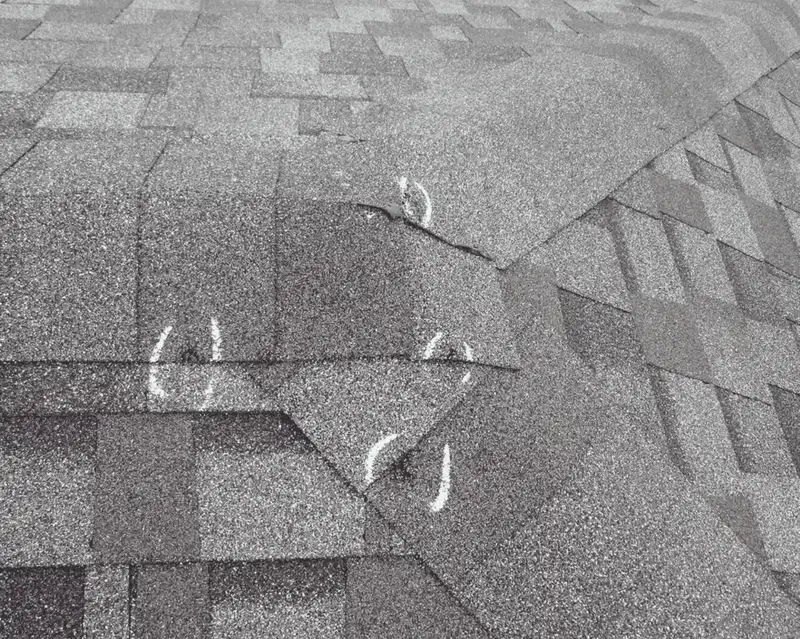
Shingles curling, cracking, or missing: These are some of the most common signs of roof deterioration. When shingles lose their shape or go missing, your roof's protective barrier is compromised.
Water stains on ceilings or walls: Discoloration inside your home usually means moisture is making its way through the roofing system. Even a slow leak can damage insulation, drywall, and framing if roof services are delayed.
Sagging roofline: A roof that appears uneven or droops in certain areas may indicate underlying structural damage. This type of issue typically cannot be solved with a simple patch and often requires more extensive roof services.
Excessive granules in gutters: Asphalt shingles naturally shed granules as they age. Finding large amounts of granules in your gutters or at the base of downspouts is a sign that the shingles are nearing the end of their lifespan and may need professional evaluation.
Moss, mold, or algae growth: Organic growth on the roof surface often points to trapped moisture, poor ventilation, or drainage problems. These conditions accelerate roof wear.
In hot and humid climates, roofing issues can escalate quickly. Identifying these warning signs early often allows for faster, more affordable repairs and helps homeowners avoid emergency roof services later on.
Compare the Costs: Repairs vs. Full Replacement
Cost is one of the biggest factors when deciding between repair and replacement. Understanding realistic pricing helps remove uncertainty and prevents surprise expenses later.
Average Roof Repair Costs:
Minor repairs: Simple fixes such as replacing a few damaged shingles or sealing small leaks typically fall between $250 and $1,200. These are ideal when damage is isolated and the rest of the roof is in good condition.
Moderate repairs: Issues like flashing repairs, vent leaks, or localized water intrusion generally range from $1,200 to $3,000.
Structural damage repairs: When moisture reaches decking or framing, repair costs can exceed $3,000. At this stage, deeper inspections are often needed to determine whether repairs are still cost effective.
Full Roof Replacement:
Asphalt shingles: The most common residential option, typically ranging from $8,000 to $14,000 depending on size, slope, and material quality.
Metal roofing: Usually costs between $15,000 and $30,000 but offers longer lifespan, improved energy efficiency, and strong storm resistance.
Tile or slate roofing: Premium options using tile or slate can exceed $25,000 due to material cost, weight considerations, and specialized installation requirements.
Quick Tip: If your repair estimate exceeds 50 percent of the replacement cost and your roof is more than 15 years old, replacement is usually the more cost effective option.
Think Long-Term: What Factors Matter Most?
Repairs can feel like the easier and less expensive route at first, but the best decision always considers the full picture. Homeowners should look beyond immediate fixes and think about long-term performance, total cost, and overall value.
Age of the roof: If your roof is nearing the end of its expected lifespan, typically 15 to 25 years for asphalt shingles, replacement may be the smarter investment.
Severity of damage: A handful of damaged shingles or a small, isolated leak can often be repaired effectively. However, widespread damage, compromised decking, or recurring leaks often signal the need for full replacement.
Frequency of repairs: If you find yourself scheduling roof services year after year, those repeated repair costs can quickly add up. Frequent issues often indicate that the roofing system as a whole is failing.
Home resale plans: A new roof is a major selling point for buyers. Investing in replacement before listing your home can boost curb appeal, increase buyer confidence, and support a higher resale value.
Energy efficiency: Modern roofing materials are designed to reflect heat and improve ventilation. Upgrading can reduce cooling costs and improve overall home comfort.
Roof Material Lifespan: How Long Should Your Roof Last?
Your roof type plays a major role in deciding whether repair or replacement makes the most sense. Different materials age at very different rates.
Asphalt shingles: Typically last between 15 and 25 years. Prolonged heat and UV exposure can shorten their lifespan.
Metal roofing: Often lasts 40 to 70 years when properly installed and maintained.
Clay or concrete tile: Among the longest lasting options, with lifespans ranging from 50 to 100 years. Individual tiles can crack over time, so repairs often involve targeted fixes rather than full replacement.
Wood shakes: Generally last 20 to 30 years, though they are less common today due to fire risk and maintenance demands.
If you are unsure what type of roof you have or how close it is to replacement age, a professional inspection can provide clarity.
The Case for Roof Repairs: When Less Is More
If the damage is isolated and the rest of your roof is still performing well, repairs can be a smart and practical solution.
Benefits of Repairing:
Lower cost upfront: Repairs generally cost far less than full replacement, making them appealing when budgets are tight and damage is minimal.
Faster completion time: Most repair jobs can be completed the same day, allowing homeowners to restore protection quickly.
Minimal disruption to your home: Repairs typically involve limited tear off and less noise, which means less disruption to daily routines.
Retains your current roofing style and material: If you are happy with your existing roof appearance, repairs allow you to maintain consistency without changing materials or colors.
When Repairs Make Sense:
A few missing or damaged shingles: Localized shingle damage is one of the most common reasons homeowners schedule repairs.
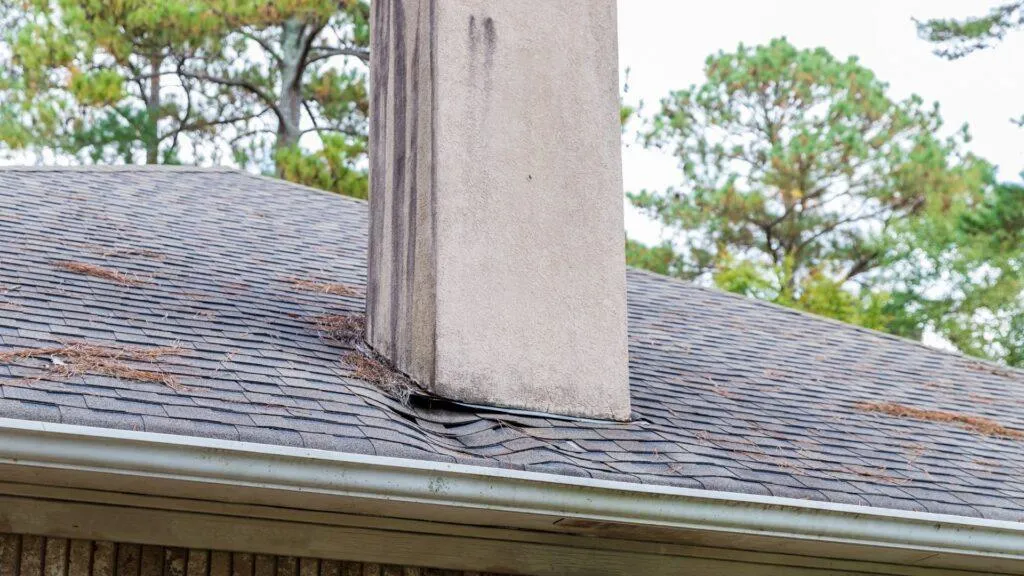
Flashing damage near chimneys or vents: These areas are frequent sources of leaks and can often be fixed without replacing the entire roof system.
Minor leaks that have not spread: When moisture intrusion is caught early, repairs can stop damage before it reaches insulation or decking.
However, repeated repairs can become costly over time, and patching a roof that is already nearing the end of its lifespan rarely addresses the underlying problem.
Why You Might Need a Full Roof Replacement
When a roof has reached the end of its useful life, repairs are no longer the reliable solution. Replacement becomes a larger investment up front, but it is often the smarter and more cost effective decision over time.
Signs It's Time to Replace:
Widespread damage or multiple leaks: When damage affects large portions of the roof or leaks appear in more than one area, repairs may only offer temporary relief.
Roof is over 20 years old: Most asphalt roofs begin to decline significantly after 20 years due to prolonged heat and sun exposure.
Poor insulation and rising energy bills: An aging roof can allow excessive heat transfer into the home. Upgrading through modern roofing can improve efficiency and comfort.
Structural sagging or rot: Sagging rooflines, soft decking, or visible rot indicate deeper structural problems that typically require full replacement.
Advantages of Replacing:
Peace of mind for decades: A new roof can provide reliable protection for 20 years or more.
Energy savings from modern materials: Today's roofing products are designed to reflect heat and improve ventilation.
Increased home value and resale appeal: Buyers place a high value on new roofs, which can significantly improve curb appeal and marketability.
Full warranty coverage: New roofing systems often include warranties ranging from 20 to 50 years.
Choosing replacement is similar to upgrading an aging vehicle. At a certain point, ongoing repairs stop making financial sense.
Hire Smart: Choosing the Right Roofing Contractor
This is your roof, one of the most important parts of your home. Choosing the right contractor matters just as much as deciding between repair and replacement.
What to Look For:
Licensed and insured: Any company providing roof services should carry proper licensing and insurance. This protects both your property and your financial liability during the project.
Local experience and reputation: Contractors with an established presence in the area understand local weather patterns, building requirements, and roofing challenges. Reading Google reviews and local testimonials offers useful insight.
Clear, detailed written estimates: Professional roof services include transparent estimates that outline materials, labor, timelines, and warranties. Vague or verbal pricing is a red flag.
Knowledge of local codes and permitting: A reliable contractor should be familiar with local codes and handle permits properly.
Questions to Ask:
Do you offer a workmanship warranty? A workmanship warranty shows confidence in installation quality and protects you beyond manufacturer coverage.
Can you show recent project photos or references? Reputable providers should be able to demonstrate past work and connect you with satisfied homeowners.
How do you handle weather delays? Weather is unpredictable. Understanding how delays are managed helps set realistic expectations.
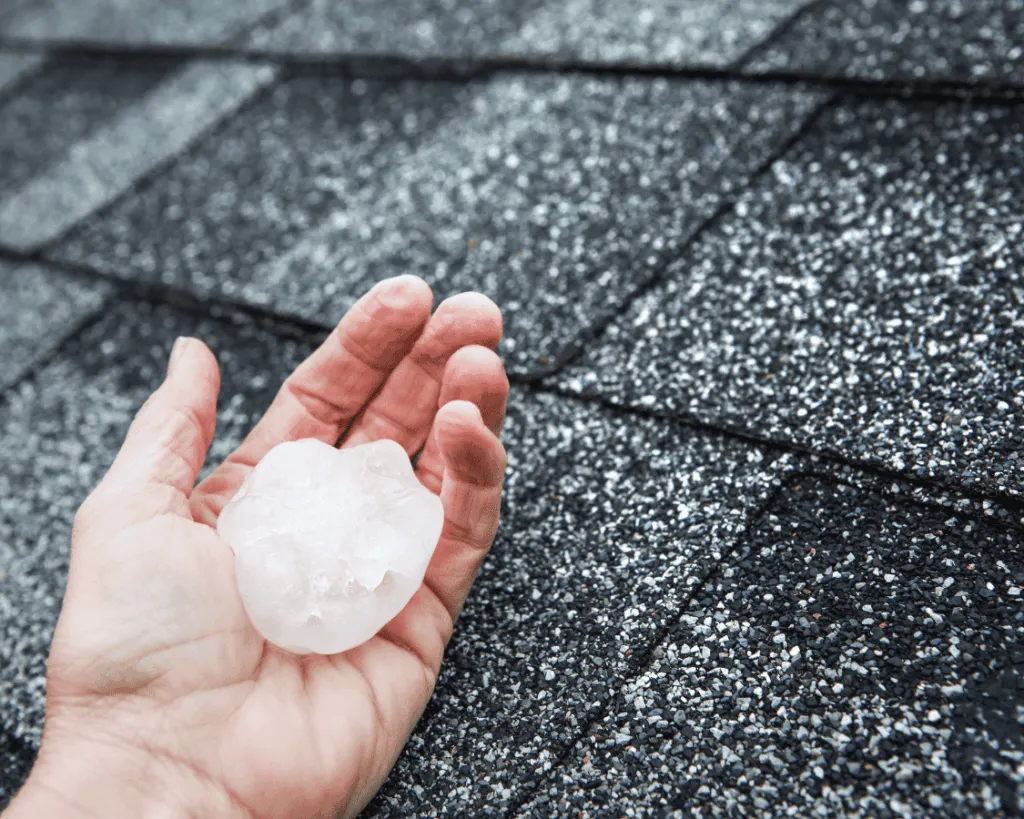
Be cautious of storm chasing contractors who appear after hailstorms and disappear once payment is made. A trusted local company like Action Exteriors stands behind its work and remains available long after the job is complete.
Real Homeowner Stories
Case 1: The Quick Fix That Worked
Emily noticed a leak near her bathroom vent and called for professional roof services. An inspection revealed a cracked flashing seal, which was repaired the same day for under $500. The issue was resolved quickly, and she has had no leaks since.
Case 2: The Roof That Couldn't Be Saved
Mark had an 18-year-old shingle roof with ongoing leak problems. After multiple repair attempts over two years, he chose full replacement. His new roof came with a 30-year warranty and reduced his energy bills by 20 percent.
These examples show that the right choice depends on the condition of your roof, not just the initial cost.
Why Roof Inspections Are Your Best Friend
Still unsure what to do next? The best first step is a professional roof inspection. An inspection provides a clear, unbiased picture of your roof's condition and helps homeowners choose the right path forward with confidence.
What's Included in a Quality Inspection:
Exterior visual check: The inspector reviews shingles, flashing, vents, and other exposed components to identify visible wear or damage.
Interior attic inspection: Checking the attic allows professionals to spot moisture issues, insulation problems, or sagging that may not be visible from the outside.
Photo documentation: Clear photos of any damage help homeowners understand the findings and are useful if insurance claims are needed.
Expert recommendations: Based on the inspection, you receive professional guidance on whether repair or replacement is the best option for your home.
Action Exteriors often offers inspections at no cost. This makes it easier to get the information you need without pressure or uncertainty.
Take the Next Step with Action Exteriors
Your roof protects everything and everyone under it. Whether it needs a quick patch or a full overhaul, waiting only makes it worse.
At Action Exteriors, we're not pushy. We're not here to upsell. We're here to give honest advice and do the job right.
Schedule a free inspection today to ask questions, or just get peace of mind. Your home deserves a roof that's safe, strong, and ready for the next severe storm.
---
*⚠️ Disclaimer: Estimates are not 100% accurate. Pricing may vary based on actual site conditions, materials, and scope of work. An on-site inspection is required for a precise, final quote.*