Storms are a part of life, but when they strike, the damage can leave homeowners feeling helpless and overwhelmed. The sky darkens, the winds pick up speed, and the rain relentlessly pounds your home. After the storm passes, the last thing you want to see is damage to your roof. It's one of the most vital parts of your home, protecting you from the harsh elements. But when nature strikes back, it's essential to know how to respond.
In this guide, we'll explore how to handle roofing storm damage, from assessing the destruction safely to repairing it effectively. By the end, you'll know how to handle the aftermath, communicate with your insurance provider, and hire the right contractor to restore your home.
Assessing Roofing Storm Damage Safely
The first step after a storm is to assess the damage, but safety is paramount. Never rush to climb onto your roof immediately after a storm. Not only is it dangerous, but you might make the situation worse. Instead, follow these guidelines to assess the storm damage from the safety of the ground:
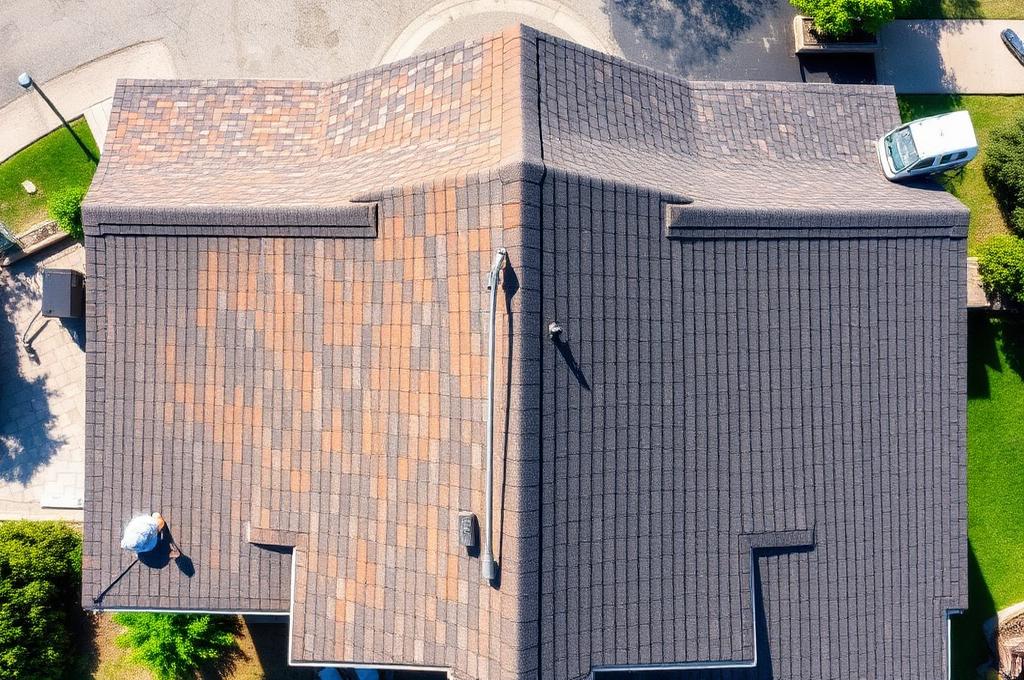
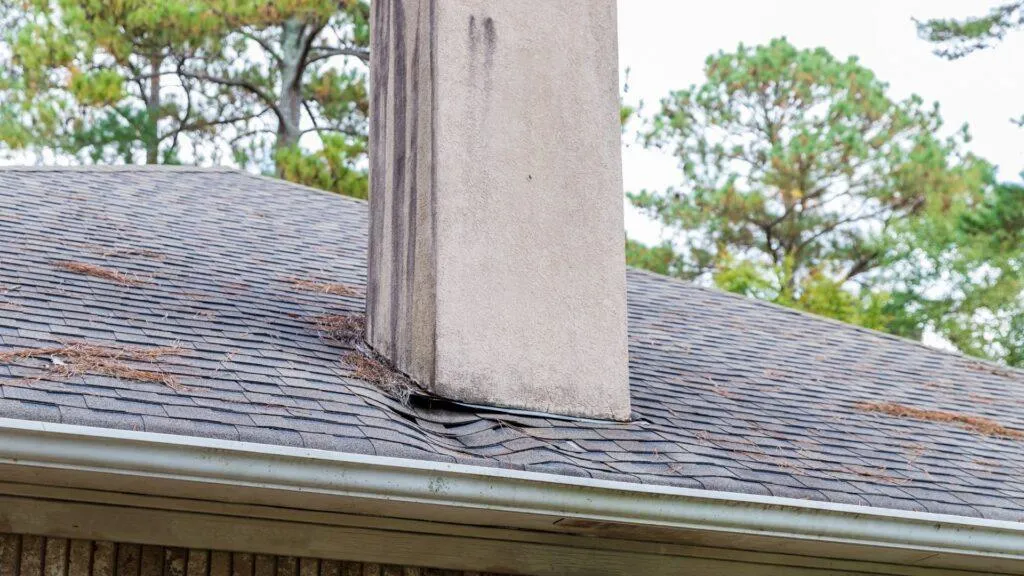
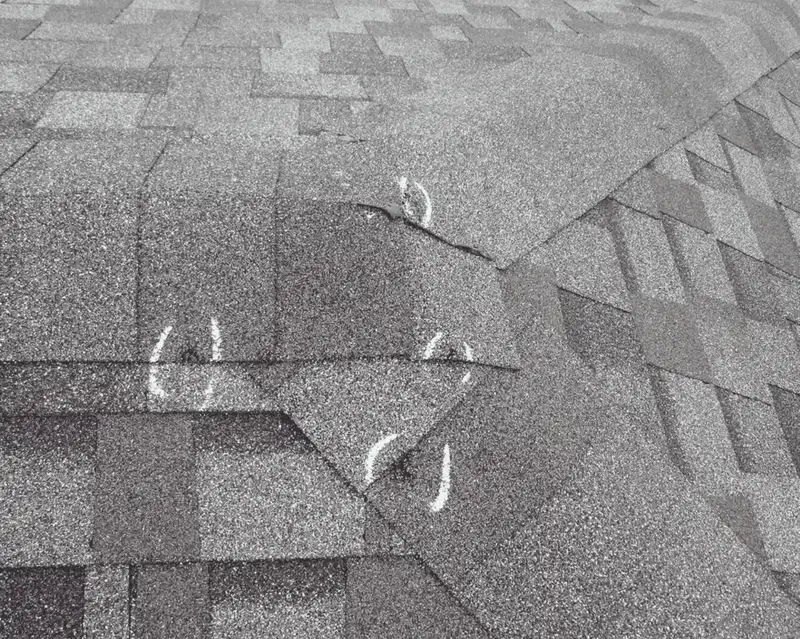
Use Binoculars or a Camera: Take a pair of binoculars or a camera with a zoom lens to closely examine your roof. From a safe distance, you can spot damaged or missing shingles, debris on the roof, or any other obvious issues. Look for areas where shingles may have been blown off or where they are curled and lifting. Pay close attention to any flashing around vents, skylights, or chimneys, as these are common areas for leaks and damage.
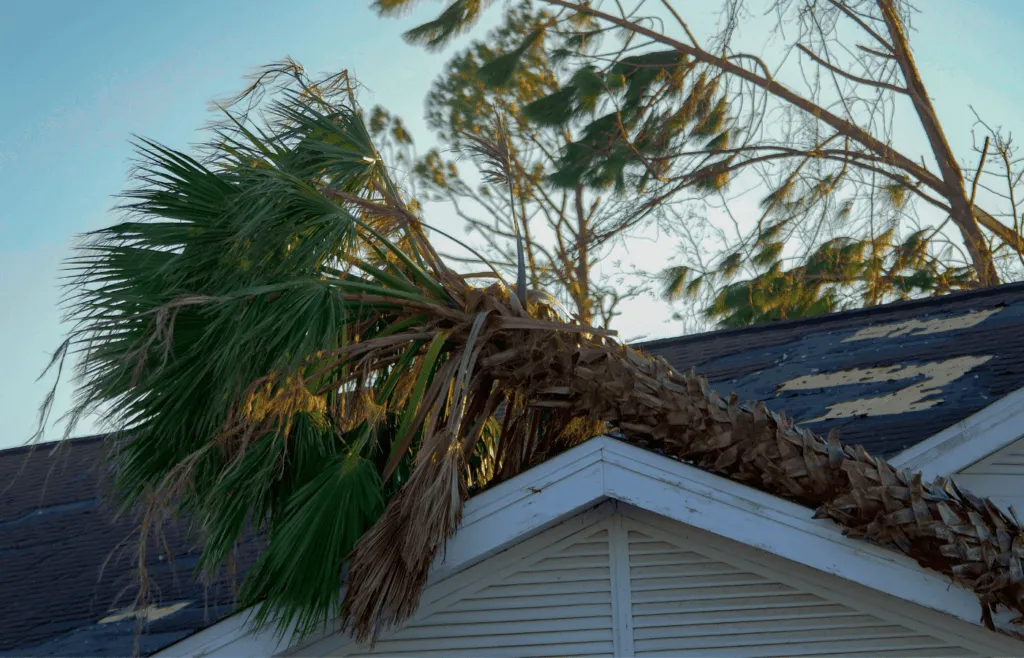
In addition to checking for missing or damaged shingles, use your binoculars or camera to look for debris that could be lodged on your roof. Tree branches, fallen power lines, or large objects can pose a threat not only to your roof but also to the structure of your home. If you notice any objects resting on your roof, do not attempt to remove them on your own. Contact a professional roofing contractor to safely clear debris and inspect your roof for further damage.
Check for Structural Damage: The storm may have caused significant structural damage to your roof, especially if there were high winds or hail. It's important to check the roof's overall integrity. Look for signs of sagging or unevenness in the roofline, which can be indicators that the underlying structure has been compromised.
A serious issue to watch for is the presence of leaks or water stains on your ceilings. If water has entered your home, it can cause significant damage to insulation, drywall, and flooring. If you notice any wet spots or dripping water inside your home, it's crucial to act quickly.
Document the Damage: Take plenty of pictures of the damage. A visual record will be helpful when discussing repairs with your insurance company or contractor. It will also be essential if you need to file a claim for storm damage. Be sure to capture all angles of the roof, including close-up shots of damaged areas and wider views that show the roof's overall condition.
Documentation can also include detailed notes about the storm's severity and the type of damage observed. This information can also guide the type of repairs needed and help you avoid unnecessary delays during the claims process.
Understanding Your Insurance Coverage for Storm Damage
When a storm hits and damages your roof, your insurance coverage plays a critical role in helping restore your home. However, not all policies are the same, so understanding your coverage is essential before you proceed with repairs.
Review Your Policy: Insurance policies can be tricky to understand, but it's vital to know what's covered. Check if your policy includes storm damage and roof protection, and take note of whether it covers repairs, replacements, or just the depreciated value of your roof.
Document Everything: As mentioned before, taking detailed photos, videos, and notes of the storm damage is a crucial step. This detailed record will serve as evidence when working with your insurance company.
Contact Your Insurance Provider: Once you've assessed the damage and documented everything, reach out to your insurance company. File your claim promptly to avoid delays. Be sure to inform your insurance company about the need for roof protection repairs in the claim.
Stay Informed About Roof Protection Options: A comprehensive understanding of your insurance coverage helps ensure a smoother recovery and can make the difference between a quick resolution and a lengthy back-and-forth with your insurer.
Choosing the Right Roofing Contractor After Storm Damage
When it comes to repairing your roof after a storm, the choice of contractor is crucial. This isn't just about fixing a roof; it's about protecting your home and restoring its safety. Choosing a roofing contractor who is licensed, insured, and experienced with storm damage repairs will give you peace of mind that the job will be done right.
Do Your Research: Start by researching local contractors who specialize in roofing storm damage. Look for reviews, ratings, and testimonials from past customers.
Ask the Right Questions: When contacting potential contractors, make sure to ask: Are you licensed, insured, and bonded? Do you have experience with storm damage repairs? Can you provide a written estimate for the repairs? What materials do you recommend for my roof? How long will the repair process take?
Get Multiple Quotes: Always get at least three quotes from different contractors. This will help you compare pricing, materials, and the scope of work each contractor proposes.
Check for Warranties and Guarantees: A good roofing contractor should offer a warranty on their work and roof protection. Be sure to ask about the warranty details before signing a contract.
Temporary Fixes vs. Long-Term Solutions
After a storm, the damage to your roof can feel overwhelming. You may be tempted to apply a quick fix. Throwing a tarp over the roof or nailing down loose shingles. While these temporary fixes can help prevent further water damage in the short term, they don't address the root cause of the problem.
Temporary Fixes: A Quick Stopgap for Roof Protection. When you're dealing with the immediate aftermath of a storm, it's essential to act fast. Temporary fixes can help you avoid further damage, especially when your roof has significant damage. However, while these temporary fixes may provide some relief, they are just stopgap measures.
Long-Term Solutions: Investing in Permanent Roof Protection. While temporary fixes may buy you some time, long-term solutions are essential for the longevity of your roof and the overall protection of your home. One of the first steps in implementing long-term solutions is replacing damaged shingles. Beyond just repairing the damage, long-term solutions often involve upgrading your roof to more durable materials. Storm-resistant features, like impact-resistant shingles, can help fortify your roof against future storms.
The Importance of Roof Protection Upgrades: After experiencing storm damage, it's wise to consider upgrading your roof for better protection in the future. Installing high-quality materials like impact-resistant shingles or adding storm-resistant features can make a significant difference in preventing future storm damage.
Preventive Measures to Protect Your Roof from Future Storms
Once your roof is repaired, it's time to think about ways to prevent future storm damage. While no roof can be entirely storm-proof, there are steps you can take to make it more resilient.
Upgrade to Storm-Resistant Materials: If your roof sustained significant damage during the storm, consider upgrading to stronger, more storm-resistant materials. Impact-resistant shingles and metal roofing are great options for homes in storm-prone areas.
Maintain Your Roof Regularly: Regular roof maintenance is essential in preventing storm damage. Have a professional roofer inspect your roof at least once a year to identify any weak spots, damaged shingles, or issues that could compromise its performance.
Trim Trees and Remove Debris: Trees and branches near your roof can pose a significant risk during a storm. Trim overhanging branches to prevent them from falling on your roof during high winds.
Reinforce Your Home's Structural Integrity: In some cases, reinforcing the structure of your home may be necessary. Adding extra support to your roof's trusses or installing hurricane straps can make your home more resistant to wind damage.
How Action Exteriors Can Help Restore Your Roof
When a storm damages your roof, the recovery process can be stressful. But with the right support, you can restore your home and protect it from future damage. That's where Action Exteriors comes in. We specialize in storm damage repairs, offering professional roofing services to homeowners in need of immediate and long-term solutions.
Our team of experts will assess your roof, provide a comprehensive repair plan, and work with your insurance company to ensure that you get the coverage you deserve. With years of experience in roofing and storm damage restoration, we're committed to delivering high-quality, reliable services to help you get your home back to its best.
Don't wait for the next storm to hit before you take action! Contact Action Exteriors now to schedule your roofing inspection and get your roof ready for whatever comes next.