"A single hailstorm can cost thousands in home repairs, even if the damage looks minor." That statement is a reality many homeowners face every year. Hail does not need to shatter shingles or punch holes through siding to cause expensive problems. Even small impacts can weaken roofing materials, crack protective coatings, and shorten the lifespan of your exterior. One moment your home appears untouched, and the next you are dealing with roof bruising, dented gutters, damaged vents, and compromised windows.
Hail damage is particularly common because severe storms strike quickly and without much warning. Many states consistently rank among the top for hail-related insurance claims. Because these storms are expected in storm-prone regions, insurance companies also scrutinize claims closely. That makes it even more important for homeowners to understand what hail damage looks like and how to document it correctly. Damage that is overlooked or dismissed early can turn into leaks, structural issues, and costly repairs months later.
The hours and days after a storm are critical. This is when evidence is freshest, temporary fixes are most effective, and inspections are most accurate. Catching issues early can mean the difference between a straightforward insurance claim and ongoing problems that insurers may later classify as wear and tear. Being proactive helps protect both your home and your financial investment.
In the sections ahead, we will break down exactly what to check after a storm, how to recognize common signs of hail damage on your roof, siding, and gutters, and what steps to take to protect your home. Working with a trusted local company like Action Exteriors helps ensure nothing is overlooked after severe weather. Knowing where to look and what to document puts you in a far stronger position after the next storm rolls through.
Start Here: What to Do Immediately After a Hailstorm
When the sky clears, it is natural to want to assess the damage right away. That instinct is a good one. However, taking a calm and methodical approach helps ensure your safety and improves how well the damage is documented for insurance purposes.
Stay safe: Before walking around your property, look for loose power lines, fallen tree limbs, sharp debris, or unstable structures. Hail damage often comes with high winds, which can create hidden hazards long after the storm has passed.
Take photos: Capture clear, timestamped photos of any hailstones still on the ground, visible exterior damage, and wide shots of affected areas. Good documentation is essential when filing claims, as it helps establish both severity and timing.
Look up and around: Hail does not only damage roofs. Check siding, windows, fencing, gutters, vents, air conditioning units, and outdoor fixtures. Many cases of hail damage involve multiple exterior components, even when the roof looks mostly intact.
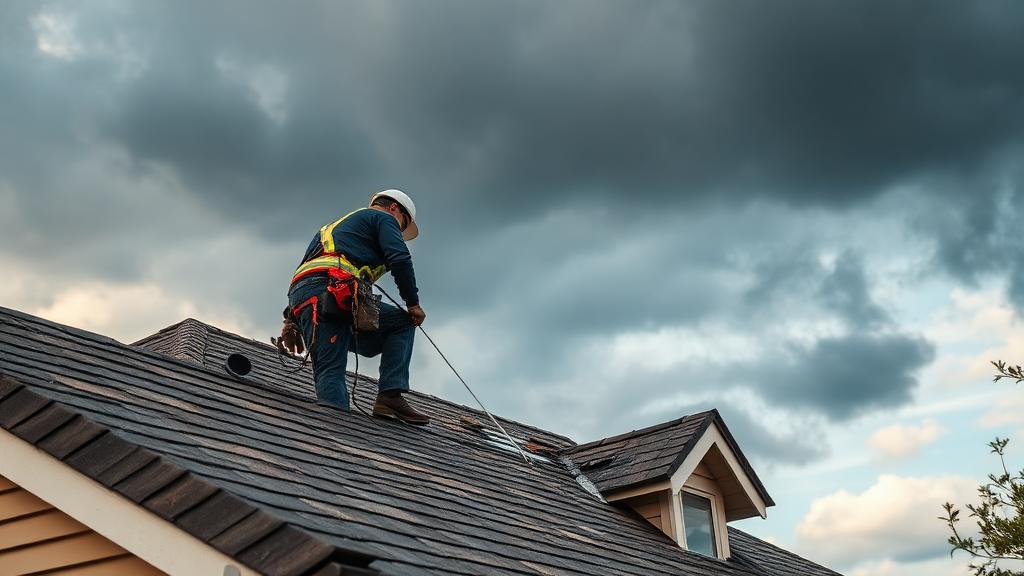
Call professionals early: Schedule a licensed inspection as soon as possible. Trained professionals know how to spot subtle signs of hail damage that homeowners often miss, such as bruised shingles or compromised seals.
Review your insurance policy: Understand your deductible and what your policy covers for storm and hail damage. Knowing these details early helps you make informed decisions and avoids surprises later in the claims process.
The goal is not to panic, but to stay ahead of the damage before it worsens. In humid climates, even minor hail damage can allow water intrusion that quickly leads to rot, mold, and structural problems if left unaddressed. Early action is critical to protecting your home and avoiding costly repairs down the line.
Signs of Hail Damage on Your Roof
Your roof absorbs the full force of a storm, which makes it the first and most important area to inspect after severe weather. Hailstones come in many sizes, and even smaller hail can cause serious damage, especially on older roofs or roofing systems that were already weakened by heat and age. Damage is not always dramatic at first glance, but small impacts can shorten the lifespan of your roof and lead to leaks over time.
What to Watch For
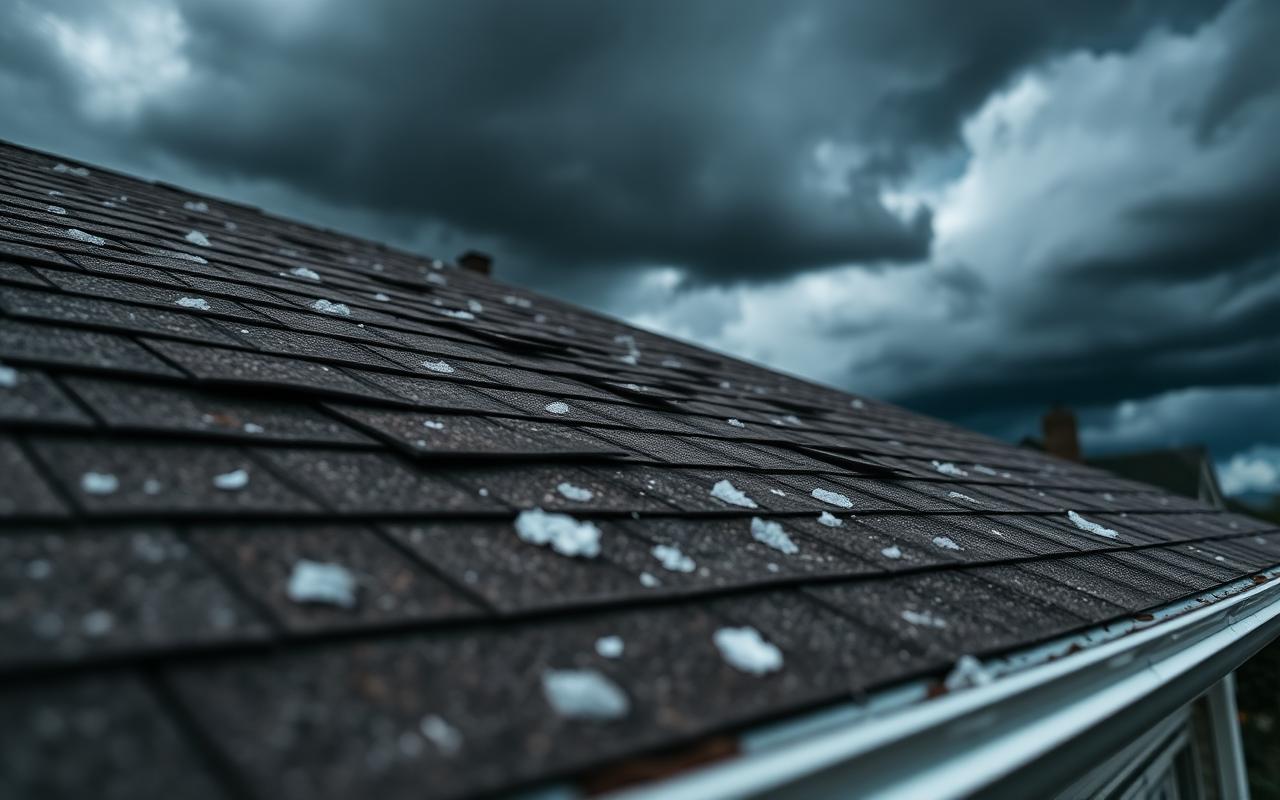
Bruised or cracked shingles: Look for dark spots, soft areas, dents, or sections where the shingle surface appears scuffed or shiny. These are common signs of hail damage on a roof and often indicate that the protective asphalt layer has been compromised.
Missing granules: Check gutters and downspouts for granule buildup. Granules protect shingles from UV exposure, and when they are knocked loose by hail, shingles become far more vulnerable to heat and water intrusion.
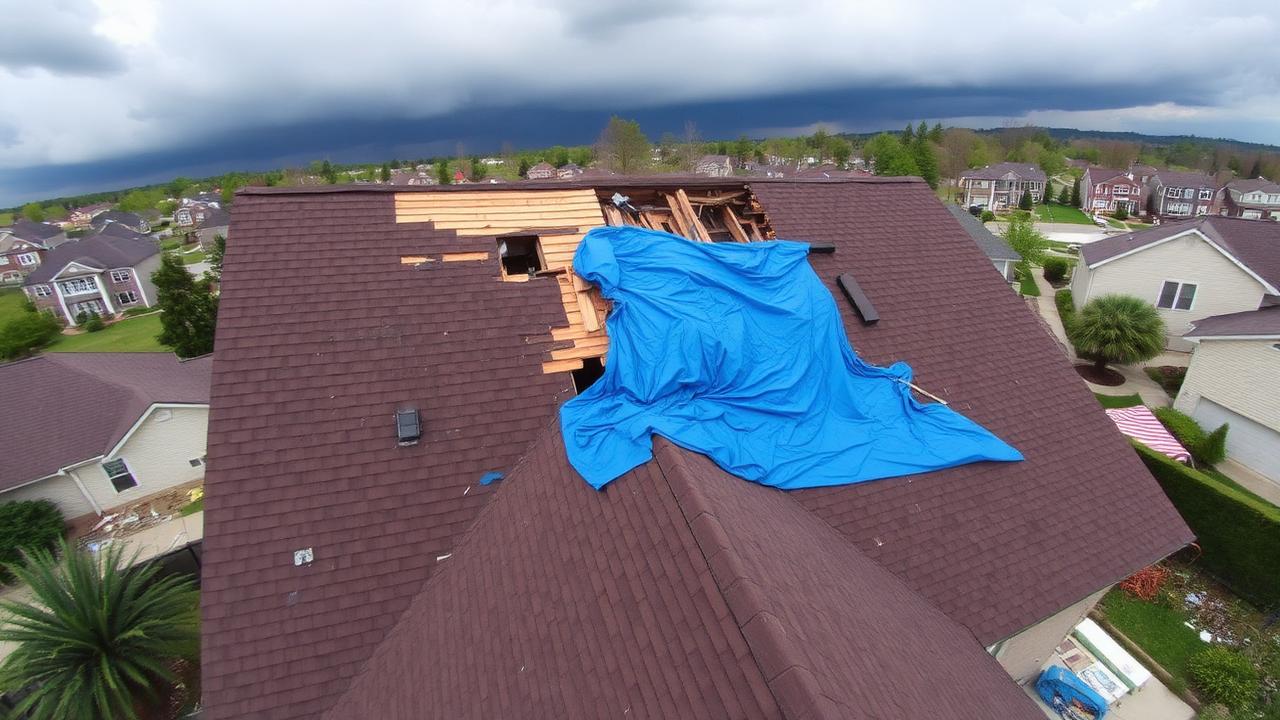
Exposed roof decking: If you see bare wood or underlayment, this is a serious issue that requires immediate attention. Exposed decking leaves your home unprotected and can quickly lead to interior water damage.
Damaged flashing and vents: Metal flashing, pipe boots, and roof vents can be dented, cracked, or lifted by hail impact. Even small gaps around these areas can allow water to enter and worsen damage over time.
Roof damage is not always easy to identify from the ground, especially when hail impacts are subtle or spread across different areas of the roof. That is why having a trained professional inspect your roof as soon as possible after a storm is critical. Action Exteriors helps homeowners properly assess hail damage and document it accurately for insurance purposes, emphasizing thorough evaluations that protect both your home and your claim.
Signs of Hail Damage on Your Siding, Gutters & Windows
Once the roof has been checked, the next step is to walk the perimeter of your home. Siding, gutters, and exterior openings often take direct impact during storms, especially when wind-driven hail strikes at an angle. In many cases, signs of hail damage show up on vertical surfaces just as often as they do on the roof.
Key Inspection Points
Dented or cracked siding: Examine aluminum, vinyl, and fiber cement siding closely for dents, cracks, punctures, or warping. Hail damage on siding frequently affects entire panels, even when damage appears minor from a distance.
Gutter dents or sagging: Look for dents, misalignment, or sections pulling away from the fascia. Compromised gutters and downspouts lead to poor drainage and water problems along the foundation. Dented gutters are one of the clearest and easiest-to-document signs of hail damage on a home.
Window damage: Inspect glass panes, window screens, and frames for cracks, chips, or broken seals. Even small impacts can allow moisture to enter over time and drive up energy bills.
Moisture intrusion: Watch for signs of water inside the home, including stains, drafts, bubbling paint, or damp drywall around windows and exterior walls. These symptoms may appear days after the storm and often point to hidden hail damage.
Take clear, close-up photos of any visible damage to siding, gutters, and windows. Detailed images are essential for insurance claims and for helping professionals accurately assess the full extent of hail damage and recommend the right repairs.
Some storm damage is not immediately visible, but that does not mean it is harmless. In fact, hidden hail damage often causes the most expensive problems because it goes unnoticed until moisture, heat, or pressure exposes it weeks later. Small vulnerabilities can quickly turn into major repairs.
Watch Out For
Attic leaks: If hail damage compromises shingles, flashing, or underlayment, water may slowly seep into the attic. Look for stains, damp insulation, or signs of mold growth, which often appear well after the storm has passed.
Foundation problems: Dented or misaligned gutters can redirect water toward the base of your home. Poor drainage increases the risk of soil erosion, foundation settling, and cracks that worsen over time.
HVAC damage: Outdoor air conditioning units are especially vulnerable. Hail can crush delicate fins and coils, reducing efficiency and increasing strain on the system. This type of damage often leads to higher energy bills and premature equipment failure.
Electrical risks: If hail impacts allow water to reach wiring pathways, junction boxes, or exterior electrical components, it can create corrosion or fire hazards. These risks may not be obvious until systems begin to malfunction.
Always follow up after major storms, even if everything seems fine at first. If you hear unusual noises, feel new drafts, notice rising energy bills, or see water stains anywhere in your home, have it inspected immediately. Prompt attention helps prevent small issues from becoming costly repairs later.
How to File a Hail Damage Insurance Claim
If a storm leaves visible or suspected damage behind, the next step for many homeowners is filing an insurance claim. The claims process is generally straightforward, but preparation plays a major role in how quickly things move and how successful the outcome is. Knowing what to do ahead of time helps prevent delays and reduces the chance of missed coverage. Homeowners often find added peace of mind working with a reputable local company like Action Exteriors, which understands how to support homeowners through the claims process.
Steps for a Strong Claim
Review your policy: Start by confirming what types of damage are covered and how your deductible applies. Understanding whether you have actual cash value or replacement cost coverage helps set realistic expectations from the start.
Document everything: Gather clear photos, timestamps, weather reports, inspection notes, and any visible damage to your roof, siding, windows, or gutters. Thorough documentation gives adjusters the information they need to evaluate the loss.
Schedule a contractor inspection: A professional inspection provides a detailed report that often identifies damage homeowners miss. This report can validate your claim and support the full scope of repairs needed.
File quickly: Many insurance policies require storm damage to be reported within 30 to 60 days. Filing promptly helps protect your eligibility and keeps the claim process moving forward.
Meet with the adjuster: Whenever possible, walk the adjuster through the property and point out all affected areas. Providing documentation during the inspection helps ensure nothing is overlooked.
If navigating the insurance process feels overwhelming, help is available. Action Exteriors regularly works with homeowners after major storms and can assist in documenting hail damage to roofs, siding, gutters, and windows. Having experienced guidance can make the claims process smoother and help ensure your damage is properly represented.
DIY vs. Professional Inspection: Know When to Call the Experts
Homeowners can and should perform an initial inspection after a storm, but it is important to recognize the limits of a do-it-yourself assessment. Many signs of hail damage are subtle and easy to miss without proper training or tools. Surface-level damage may hide deeper problems that only show up later.
DIY Checklist
Use binoculars for roof spotting: Binoculars allow you to safely look for missing shingles, dark impact marks, or uneven areas without climbing onto the roof.
Mark dents on siding and gutters with chalk: Lightly marking visible dents helps document the number and location of impacts, which is useful when sharing information with professionals.
Use a flashlight for attic and interior checks: Look for water stains, damp insulation, or daylight coming through the roof decking. These signs may point to hidden damage that needs immediate attention.
Note any unusual sounds, leaks, or airflow issues: Whistling noises, new drafts, or moisture smells can all signal damage caused by hail or wind-driven rain.
When to Call a Pro
If you suspect roof or structural damage: Roofing systems often sustain hail damage that is not visible from the ground but still compromises performance.
If your windows or doors do not seal properly: Impact damage can weaken seals and allow moisture or air infiltration.
If you are filing an insurance claim and need documentation: Insurance claims require detailed, professional reports to support coverage decisions.
Professionals know what signs of hail damage look like on every exterior surface, how damage develops over time, and how to document it properly. A trained inspection helps protect your home and ensures that no critical damage is overlooked. Working with a company like Action Exteriors adds an extra layer of confidence that inspections are thorough, accurate, and aligned with industry best practices.
Prevent Future Damage: Smart Upgrades for Your Home
You cannot stop hail from falling, but you can take steps to reduce the impact it has on your roof, siding, and gutters. In storm-prone regions, proactive upgrades can significantly limit repair costs and help your home recover faster after severe weather.
Consider These Upgrades
Impact-resistant roofing: Class 4 shingles are engineered to withstand hail impact and reduce surface damage. These materials may even qualify for insurance premium discounts.
Gutter protection: Leaf guards and larger downspouts improve water flow during heavy storms. Proper drainage helps prevent overflow and foundation issues that often follow severe weather.
Window films and storm shutters: Adding protective films or shutters strengthens vulnerable surfaces like windows and glass doors, limiting impact damage and reducing the risk of water intrusion.
Annual inspections: Scheduling regular roof, siding, gutter, and window inspections allows professionals to catch early signs of hail damage before they turn into costly emergencies.
While these upgrades may require a higher upfront investment, they often pay for themselves through reduced repair costs, fewer insurance claims, and greater peace of mind during storm season.
Don't Ignore the Signs. Protect Your Home with Action Exteriors
Storms happen fast. Damage happens faster. And every homeowner needs a plan. Knowing the signs of hail damage on your roof, siding, and gutters, and acting quickly, can make the difference between a simple repair and a costly overhaul.
Don't wait. Unaddressed hail damage is not just an eyesore. It is a moisture risk, a structural concern, and a future expense waiting to happen.
Action Exteriors specializes in roofing, siding, gutters, and windows: inspections, repairs, and replacements after storms. We are local, experienced, and ready to help you get your home back to normal, fast.