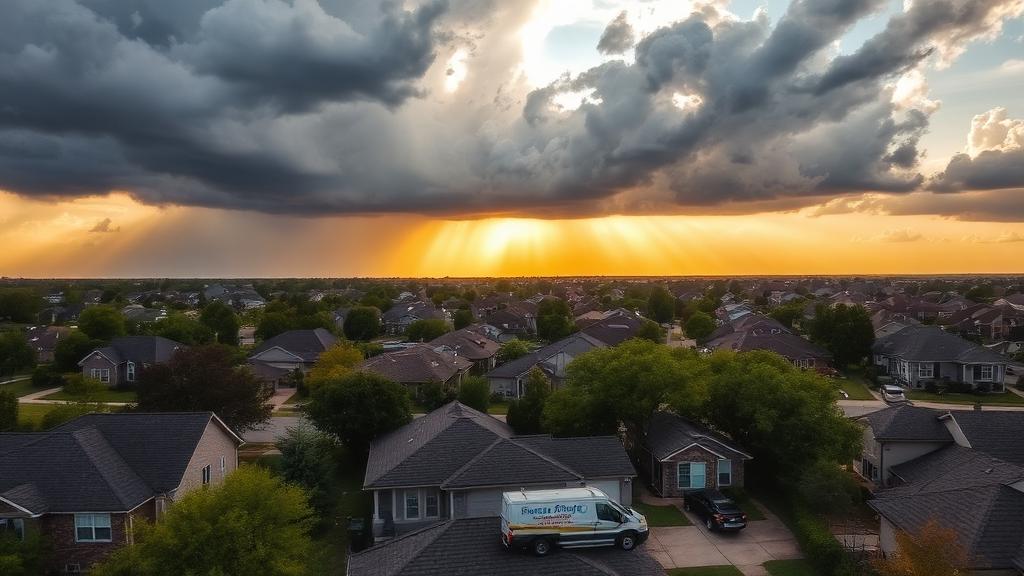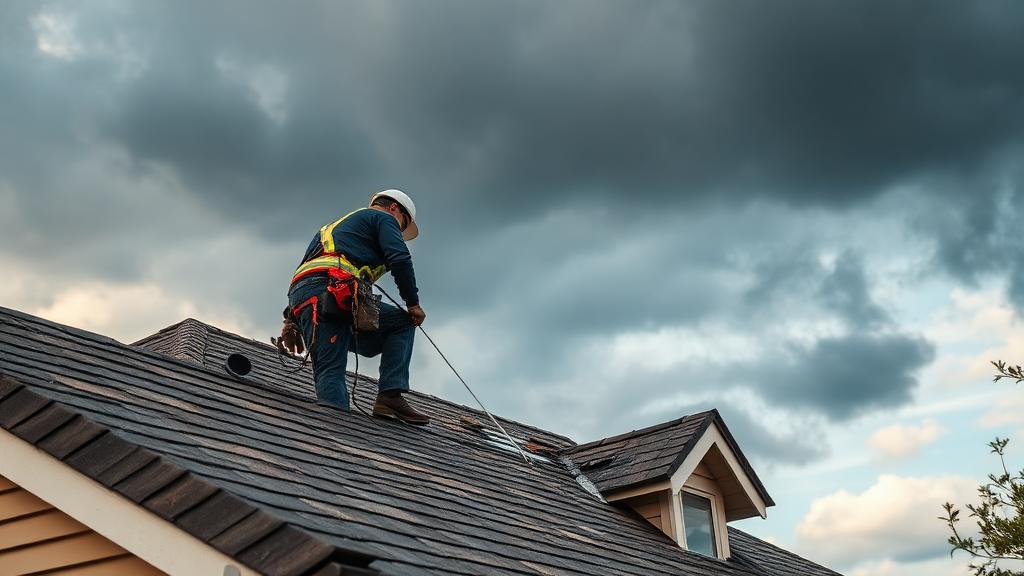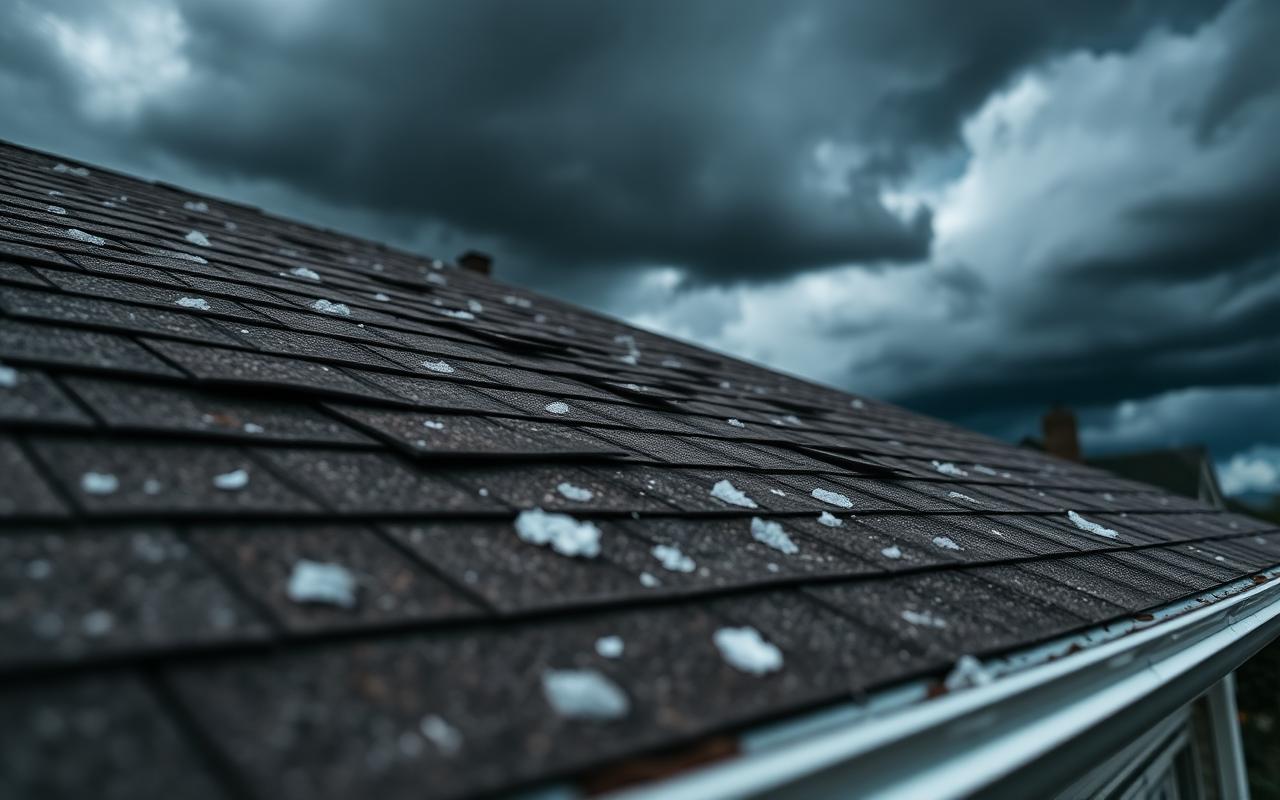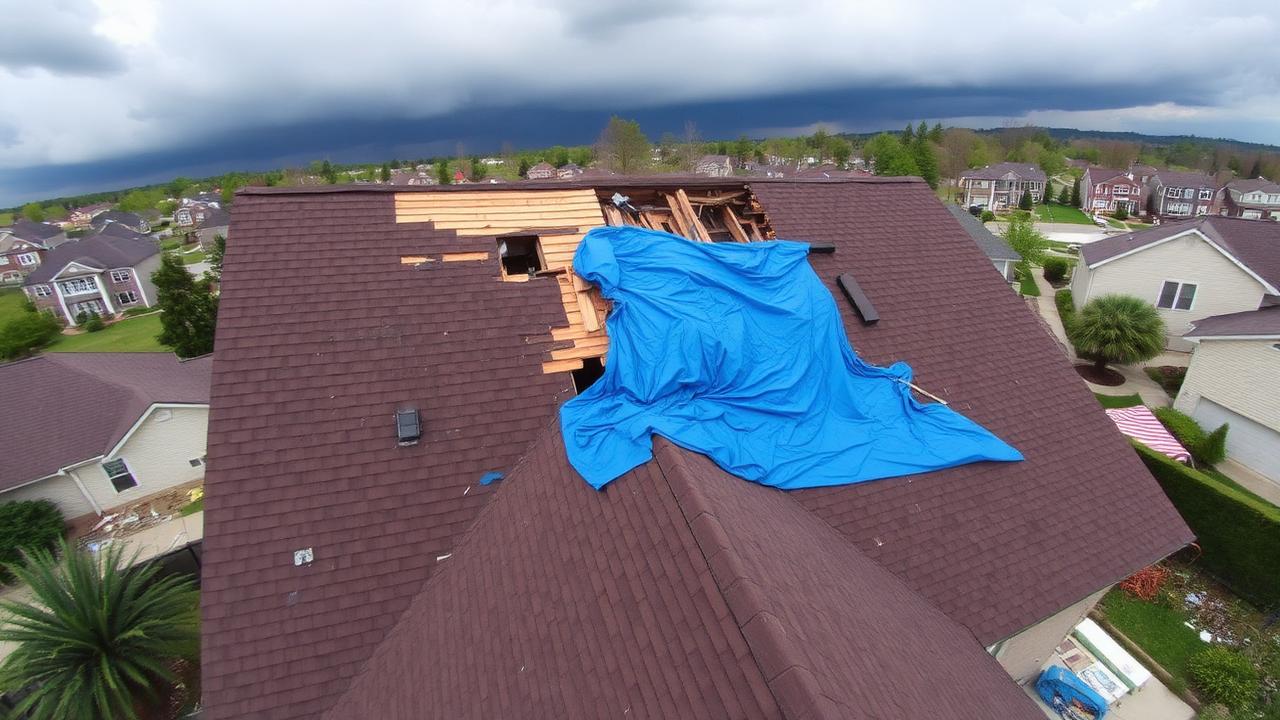
When storms sweep through your area, your roof is often the first part of your home to take the hit. High winds, hail, and driving rain can tear away shingles, loosen flashing, crack vents, or even puncture the roof surface in a matter of minutes. When this type of damage occurs, emergency roof tarping becomes critical.
One of the fastest and most effective ways to prevent further water intrusion is to install a tarp as soon as conditions are safe. While tarping is a temporary measure, it plays a vital role in protecting your home, limiting interior damage, and preserving your peace of mind until permanent repairs can be completed.
Emergency roof tarping helps shield exposed areas from ongoing rain, moisture, and debris, which can otherwise lead to insulation damage, mold growth, ceiling stains, and structural issues. Proper installation can significantly reduce the amount of water damage after a storm.
However, not all tarps or installations provide the same level of effectiveness. Poor placement, lightweight materials, or improper fastening can fail under continued wind or rain, leaving your home vulnerable. Understanding how tarping works and when to act can make a major difference in both repair costs and long-term damage.
Working with a trusted contractor like Action Exteriors helps ensure emergency measures are handled correctly and that follow-up repairs are done properly.
Why Roof Tarping Is Crucial After Storm Damage
Acting fast after storm damage is critical. When severe weather compromises your roof, installing a tarp immediately helps stabilize the situation and protects your home while permanent repairs are being planned.
Tarping a damaged roof right away helps block rain and moisture from entering the attic and living spaces, reducing the risk of ceiling stains, damaged drywall, and insulation issues. It also prevents mold, mildew, and structural rot that can develop quickly when water is allowed to sit inside the roof system.
Just as important, it buys valuable time for a proper inspection and well-planned repairs instead of rushed fixes. Taking immediate action can also help support insurance claims by showing that steps were taken to prevent further damage.
Without tarping, even a small puncture or missing shingle can quickly turn into a major water intrusion issue. Continued rain or strong winds can expand the damage, driving up repair costs and extending recovery time.
Signs You Need Immediate Roof Tarping
Not every roofing issue requires emergency tarping, but certain warning signs should never be ignored. Waiting too long can allow minor damage to become a much larger problem.
- •Shingles are missing, torn, or scattered around the property
- •Flashing or underlayment is exposed around roof features
- •Leaks, stains, or discoloration appear on ceilings or walls
- •Daylight is visible through the attic or roof deck
- •Debris or fallen branches have impacted the roof
Even small openings can allow water to enter during the next rain event, leading to insulation damage, mold growth, and costly interior repairs. Acting quickly is one of the most effective ways to prevent further issues.
What to Do Before Installing a Roof Tarp
Safety should always come first when dealing with storm-related roof damage. Before attempting any temporary repairs, take time to assess the situation carefully and avoid unnecessary risks.
Wait until the storm has fully passed and conditions are safe. Wet surfaces, high winds, and unstable roofing materials can make climbing extremely dangerous. From the ground or attic, document visible damage with photos and videos to support insurance claims and future repairs.
If possible, remove loose debris from the roof only if it can be done safely without climbing. Inspect the attic or upper areas of the home to identify where water may be entering. Gathering basic materials can help if temporary coverage is needed, but in many cases, contacting a professional is the safest and most effective option.
How Emergency Roof Tarping Works
A tarp will not stop a storm, but it can significantly reduce ongoing damage. When installed correctly, it acts as a temporary barrier that redirects water away from exposed areas of the roof.
Effective tarping requires more than simply covering the damaged section. The tarp should extend beyond the affected area and be securely anchored so it can withstand wind and rain. Proper installation ensures that water flows off the roof rather than pooling or seeping underneath.
- •Use heavy-duty, weather-resistant tarp materials
- •Allow several feet of overlap beyond the damaged area
- •Secure with boards anchored into the roof structure
- •Ensure all edges are tightly fastened
Poor installation can cause the tarp to tear loose or allow water to enter underneath, making the situation worse. That is why many homeowners rely on professionals to handle emergency tarping safely and correctly.
DIY vs. Hiring a Professional
It can be tempting to handle roof damage yourself, especially when the problem is visible. However, roofing work is often more dangerous and complex than it appears.
Storm-damaged roofs can be slippery, unstable, and structurally compromised. Attempting to install a tarp without proper experience can lead to injury or further damage.
Professionals not only install tarps correctly, but they also identify hidden issues such as damaged decking, flashing problems, or ventilation concerns. Their experience helps ensure the roof is stabilized properly while planning for permanent repairs.
Insurance Benefits of Emergency Tarping
Taking immediate action after storm damage can help support your insurance claim. Most insurance providers expect homeowners to take reasonable steps to prevent additional damage, and emergency tarping is one of the most effective ways to do that.
Documenting the damage before and after tarping provides valuable evidence during the claims process. In many cases, emergency tarping is covered because it is considered a necessary mitigation step rather than a permanent repair.
Quick action can also help speed up claim approval and reduce complications caused by additional damage over time.
How Long Does a Roof Tarp Last?
Roof tarping is designed as a temporary solution, but when installed correctly, it can provide reliable short-term protection.
Standard tarps typically last between 30 and 90 days, while heavier-duty materials may last longer depending on weather conditions. Factors such as wind, sun exposure, and rain can impact how long a tarp remains effective.
Regular inspections are important to ensure the tarp stays secure. Permanent repairs should always be scheduled as soon as possible.
Don't Overlook Your Garage Roof or Door
Garages often take just as much storm damage as the rest of the home but are frequently overlooked. High winds and heavy rain can damage garage roofs and doors, allowing water inside and putting stored items at risk.
Inspect garage areas carefully for signs of damage, including leaks, missing materials, or gaps that could allow moisture to enter.
Roof Tarping Safety Tips
Safety should always be the top priority after storm damage. Conditions can be unpredictable, and rushing can increase the risk of injury.
- •Avoid working during active storms or unsafe conditions
- •Use proper safety equipment and stable ladders
- •Do not step on damaged or soft areas of the roof
If conditions are unsafe, it is always best to wait and contact a professional.
What to Expect From a Roofing Contractor
A reliable contractor should provide more than just a temporary fix. They should offer a complete approach that includes emergency response, proper tarp installation, and a full inspection of the roof.
Clear communication, repair planning, and assistance with insurance documentation are all important parts of the process.
Be Storm-Ready With a Roof Emergency Kit
Preparing ahead of time can make a significant difference during a storm.
- •Heavy-duty tarp
- •Basic tools and fasteners
- •Protective gear
- •Flashlight
- •Emergency contact information
Having these items ready allows you to respond quickly and reduce potential damage.
Need Help After Storm Damage?
Fast action can prevent small issues from becoming major repairs. Emergency roof tarping is one of the most effective ways to protect your home after severe weather.
Learn more by visiting our blog for additional roofing and exterior tips.