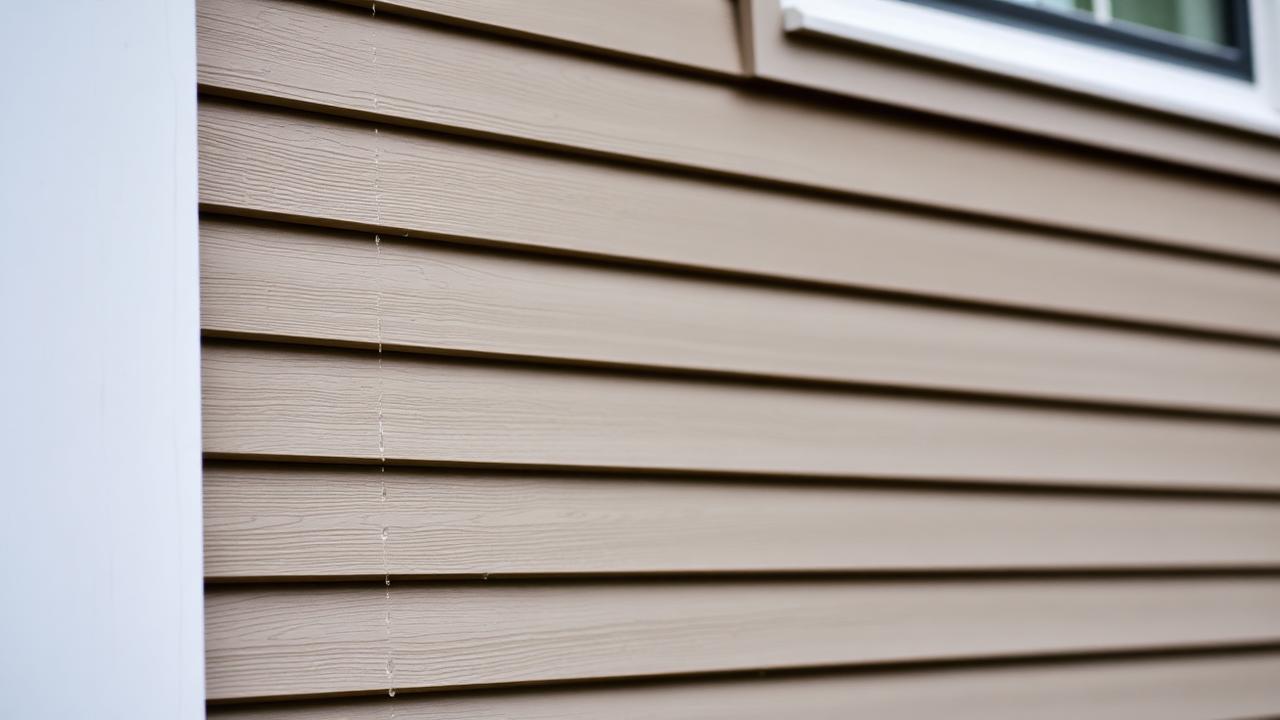
Siding plays a quiet but critical role in protecting a home from moisture. Unlike windows or roofs, siding is not designed to create a perfect seal. Instead, it manages water through a combination of overlap, gravity, and airflow.
Understanding siding moisture control helps homeowners see why siding failures rarely appear suddenly. Most issues develop gradually as small weaknesses grow over time.

Why Siding Is Designed to Shed Water Instead of Seal It Out
Many homeowners assume siding is meant to block water completely. In reality, siding systems are designed to manage moisture rather than eliminate it.
Wind driven rain, temperature changes, and building movement make a perfect seal unrealistic. Instead, siding works by directing water away from the structure.
Siding moisture control relies on predictable forces:
- •Gravity pulling water downward
- •Overlapping panels guiding water away
- •Airflow allowing moisture to dry
This approach allows siding to perform consistently across changing conditions.
The Role of Overlap in Managing Water
Overlap is one of the most important features of siding design. Each piece of siding is installed so that water naturally flows over the surface rather than behind it.
When overlap is correct, water is guided downward and away from vulnerable areas.
Problems arise when overlap is inconsistent or interrupted.
- •Water may collect where it should not
- •Moisture can move behind the siding
- •Drying becomes less effective
Proper overlap supports long term siding moisture control by working with gravity instead of against it.
How Gravity Does Most of the Work
Gravity is the primary force that moves water away from siding. Well designed siding systems rely on gravity rather than pressure to control moisture.
Water that reaches the siding surface is expected to travel downward and exit the system.
When siding is installed correctly, gravity ensures that moisture does not linger.
Issues develop when gravity is interrupted by:
- •Improper flashing
- •Blocked drainage paths
- •Uneven surfaces
These interruptions reduce the effectiveness of siding moisture control.

Why Airflow Matters More Than Most Homeowners Realize
Airflow plays a key role in drying moisture that passes behind siding. Even well installed siding allows small amounts of water to enter.
This is expected behavior.
What matters is how quickly that moisture can dry.
Air movement behind siding helps evaporate water before it causes damage.
According to guidance from the Building Science Corporation, drying potential is just as important as water shedding.
Why Small Amounts of Moisture Are Normal
It is normal for small amounts of moisture to enter siding systems during storms or high humidity.
Siding moisture control is about managing that moisture rather than preventing it entirely.
When drying pathways are clear, moisture exits the system without issue.
Problems develop when drying is restricted.
How Siding Failures Develop Gradually
Siding failures rarely occur overnight. They develop as moisture remains trapped longer than intended.
Common contributing factors include:
- •Improper overlap
- •Blocked airflow
- •Missing or incorrect flashing
Over time, trapped moisture affects materials behind the siding.
Because this process is slow, homeowners may not notice any issues until damage becomes visible.
Why Early Warning Signs Are Easy to Miss
Early signs of siding moisture issues are often subtle.
Homeowners may notice:
- •Minor discoloration
- •Softness near trim
- •Changes after heavy rain
These signs are easy to dismiss because they do not appear urgent.

How Siding Works With Other Building Layers
Siding does not work alone. It is part of a layered system that includes weather barriers, flashing, and insulation.
Siding moisture control depends on how well these layers work together.
If one layer fails, others may compensate temporarily.
Over time, however, weaknesses become more noticeable.
Why Moisture Issues Often Appear Years Later
Because siding manages moisture rather than blocking it, small issues can take years to show visible effects.
Seasonal cycles slowly stress materials.
Repeated wetting and drying amplifies weaknesses.
By the time symptoms appear, the underlying issue has often been present for some time.
How Understanding Siding Moisture Control Changes Perspective
When homeowners understand how siding moisture control works, they are less likely to assume sudden failure.
They begin to see moisture issues as gradual processes rather than unexpected events.
At Action Exteriors, siding conversations often focus on how systems manage water over time rather than isolated symptoms.
Questions about siding behavior or moisture concerns can be discussed through the Action Exteriors contact page.
Why Awareness Prevents Overreaction
Understanding siding moisture control helps homeowners avoid unnecessary worry.
Not every sign of moisture indicates failure.
Awareness allows homeowners to respond appropriately and plan ahead.
How Siding Moisture Control Shapes Long Term Home Performance
Siding moisture control influences far more than exterior appearance. Over time, it shapes how a home ages, how materials behind the siding perform, and how predictable the home feels to the people living inside it. When siding moisture control functions properly, it operates quietly. When it is compromised, the effects often surface slowly and indirectly.
Unlike systems designed to stop water entirely, siding moisture control works by allowing controlled interaction with moisture. Rain, humidity, and condensation are expected. The goal is not to eliminate them, but to manage how they move, where they go, and how quickly they dry.
Homes with effective siding moisture control experience fewer long term issues because moisture rarely remains trapped. Water that enters the system is guided out through overlap and gravity. Residual moisture dries through airflow. This balance allows materials to recover between wetting events.
Why Siding Moisture Control Protects Structural Materials
Behind the siding, framing, sheathing, and insulation rely on consistent drying to remain durable. When siding moisture control functions correctly, these materials stay within safe moisture ranges even during frequent exposure.
Problems arise when siding moisture control is interrupted. Trapped moisture increases the time materials remain damp. Over months or years, this prolonged exposure can weaken wood fibers, reduce insulation effectiveness, and increase the risk of deterioration.
Because these changes happen slowly, homeowners often do not associate them with siding moisture control until damage becomes visible.

How Siding Moisture Control Influences Comfort Indoors
Moisture behavior behind siding also affects indoor comfort. Damp materials transfer temperature differently than dry materials. When siding moisture control allows walls to dry properly, thermal performance remains stable.
When drying is restricted, walls may feel cooler in winter or warmer in summer. These subtle comfort changes often lead homeowners to adjust thermostats or avoid certain rooms, even though the root cause is hidden behind the siding.
Effective siding moisture control helps maintain consistent wall performance, supporting steady indoor temperatures throughout the year.
Why Siding Moisture Control Requires Time to Evaluate
Siding moisture control cannot be judged after a single storm or season. Its effectiveness is revealed through repeated exposure over time. Each rain event, freeze cycle, and humid period tests the system's ability to drain and dry.
Homes with strong siding moisture control recover quickly after moisture exposure. Surfaces dry evenly. Trim areas remain stable. No single event leaves lasting effects.
Homes with compromised siding moisture control show gradual changes. Drying takes longer. Moisture marks linger. Softness near openings becomes more noticeable.
This time-based behavior is why siding moisture issues often feel confusing. The system may appear fine for years before weaknesses become clear.
Why Homeowners Often Underestimate Siding Moisture Control
Siding moisture control is easy to overlook because it is passive. There are no moving parts or alerts. When it works, nothing happens.
Homeowners tend to notice siding only when something looks wrong. By then, moisture control may have been compromised for some time.
Understanding siding moisture control helps homeowners shift focus from surface appearance to system behavior, reducing surprise and frustration.
How Siding Moisture Control Performs Over Years of Exposure
Siding moisture control is not tested in a single storm. It is tested over years of weather cycles, temperature shifts, and daily exposure. The effectiveness of a siding system becomes clear only after repeated wetting and drying.
Homes experience thousands of moisture events over time. Rain, snow, humidity, and condensation all interact with siding surfaces. A properly designed system manages these events quietly without drawing attention.
Why Long Term Exposure Matters More Than Single Storms
Homeowners often worry after a heavy storm, but siding moisture control is designed for repetition, not extremes. The real test comes from smaller, repeated moisture exposure.
Each cycle introduces small amounts of water. When drainage and airflow work correctly, that moisture exits without impact.
Problems arise when moisture lingers longer than intended.
- •Drying pathways become restricted
- •Water collects behind panels
- •Materials remain damp longer than designed
These conditions slowly weaken siding performance.
How Airflow Supports Continuous Drying
Airflow is one of the most important elements of siding moisture control over time. Even small air movement behind siding supports evaporation.
As air circulates, moisture dries before it can accumulate.
This process works quietly and continuously. Homeowners rarely notice it unless airflow is disrupted.
Blocked airflow may result from:
- •Tightly sealed installations without drainage space
- •Improper insulation placement
- •Compressed building materials
When airflow is reduced, moisture remains longer and stress increases.
The Relationship Between Overlap and Drainage
Overlap ensures that water stays on the exterior surface where gravity can move it away. Each siding piece works with the next to guide moisture downward.
When overlap is interrupted, water behavior changes.
Instead of shedding cleanly, moisture may:
- •Pool behind panels
- •Move sideways instead of downward
- •Find entry points at seams
Over time, these small changes reduce siding moisture control effectiveness.
Why Moisture Damage Often Appears Near Trim and Openings
Trim areas and penetrations experience the most stress within siding systems. These areas interrupt uniform overlap and airflow.
Windows, doors, and corners require careful integration to maintain siding moisture control.
When detailing is incomplete, moisture tends to collect near:
- •Window edges
- •Door frames
- •Corner boards
Because these areas are visible, damage often appears here first even when the underlying issue began elsewhere.
Why Siding Moisture Issues Are Rarely Sudden
Most siding moisture issues develop slowly. Materials absorb and release moisture repeatedly before damage becomes visible.
This slow progression explains why homeowners may live with developing problems for years without obvious warning.
Common early conditions include:
- •Minor discoloration after rain
- •Softness that dries out between storms
- •Subtle changes in surface texture
Over time, these signals become more consistent.
How Seasonal Cycles Amplify Small Weaknesses
Seasonal changes intensify moisture behavior. Freeze and thaw cycles expand small openings. Heat accelerates material movement.
Siding moisture control must accommodate these changes without trapping water.
Repeated cycles stress areas where airflow or drainage is restricted.
According to the Building Science Corporation, durability depends on a system's ability to dry between wetting events.
Why Interior Conditions Also Matter
Interior humidity contributes to moisture movement through walls. Moist air can migrate outward and interact with siding layers.
Siding moisture control must account for both exterior and interior moisture sources.
Homes with higher interior humidity may experience greater drying demand.
This interaction highlights why siding systems rely on airflow rather than complete sealing.
How Homeowners Can Observe Moisture Behavior Safely
Homeowners do not need to open walls to understand siding moisture control. Observation over time provides valuable insight.
Helpful observations include:
- •How siding dries after rain
- •Whether moisture marks persist
- •Changes near trim or corners
Patterns matter more than isolated events.
Why Education Prevents Misinterpretation
Without understanding siding moisture control, homeowners may assume any moisture is a failure.
Education clarifies the difference between expected behavior and developing issues.
This understanding reduces unnecessary concern and supports better long term decisions.
At Action Exteriors, siding discussions focus on how moisture systems behave over time rather than reacting to individual symptoms.
Questions about moisture patterns or siding performance can be discussed through the Action Exteriors contact page.
Why Siding Moisture Control Is a System, Not a Surface
Siding moisture control depends on multiple layers working together. Surface panels are only one part of the system.
Behind the siding, drainage paths, air spaces, and barriers manage moisture movement.
Focusing on the system helps homeowners understand why failures develop gradually.
How Proper Design Supports Long Term Durability
Well designed siding systems anticipate moisture rather than resist it. They allow water to move, drain, and dry predictably.
This approach supports durability and reduces long term maintenance needs.
Homes with effective siding moisture control often perform quietly for decades.
Final Thoughts
Siding moisture control works through overlap, gravity, and airflow rather than complete sealing. This design allows siding to manage daily moisture exposure effectively.
Because moisture issues develop slowly, understanding how siding systems function helps homeowners interpret changes without panic.
Awareness and observation are the keys to long term performance.
Why Siding Moisture Control Depends on Design, Not Just Materials
Many homeowners assume siding moisture control is primarily determined by the siding material itself. While material choice matters, design and installation play a larger role in how moisture is managed over time. Even durable siding materials can fail if moisture control design is incomplete.
Siding moisture control relies on predictable pathways. Water must have a clear route downward and outward. Air must have space to circulate and dry residual moisture. When these pathways are interrupted, material performance alone cannot compensate.
The Role of Detailing in Siding Moisture Control
Details around windows, doors, corners, and trim have a major impact on siding moisture control. These areas interrupt uniform overlap and require additional attention to maintain drainage and airflow.
When detailing supports drainage, moisture exits the system quickly. When detailing blocks airflow or traps water, problems develop slowly.
This is why moisture damage often appears near openings first. These areas experience the most stress and rely heavily on correct siding moisture control design.
Why Siding Moisture Control Is Affected by Interior Conditions
Siding moisture is influenced by moisture from both outside and inside the home. Interior humidity can move outward through walls, especially during colder months.
Effective siding moisture control allows this moisture to escape and dry safely. When airflow is restricted, moisture can accumulate within wall layers.
This interaction explains why homes with higher interior humidity sometimes experience siding moisture issues even when exterior exposure is moderate.
How Small Design Gaps Affect Siding Moisture Over Time
Minor gaps in siding moisture control design may not cause immediate damage. Instead, they create conditions where moisture dries more slowly.
Over time, repeated wetting without full drying increases material stress. Paint may peel. Trim may soften. Fasteners may corrode.
These changes are gradual, which is why siding moisture control issues are often mistaken for normal aging rather than system failure.
Why Siding Moisture Should Be Evaluated Holistically
Siding moisture control is not a surface feature. It is a system that includes overlap, drainage, airflow, and integration with other building layers.
Evaluating siding moisture control requires looking beyond individual boards or panels and considering how the entire wall assembly manages moisture.
When homeowners understand this system approach, they are better equipped to interpret changes, plan maintenance, and avoid unnecessary panic when isolated moisture appears.
Strong siding moisture control allows a home to age predictably, recover after exposure, and maintain durability through decades of weather.