Your Home's Armor Matters More Than Ever
Here is a jaw dropping fact that many homeowners do not realize. More than 70 percent of a home's visible exterior is siding. That makes siding far more than a design choice. Along with your roofing material, it acts as your home's primary shield against the elements. In areas with intense sun, sudden storms, and high humidity, choosing the right siding and roofing material is essential to protecting your home.
Siding works hand in hand with your roofing material to manage moisture, control heat, and protect structural components. When either system is poorly chosen or improperly installed, problems like water intrusion, rot, and premature wear become far more likely.
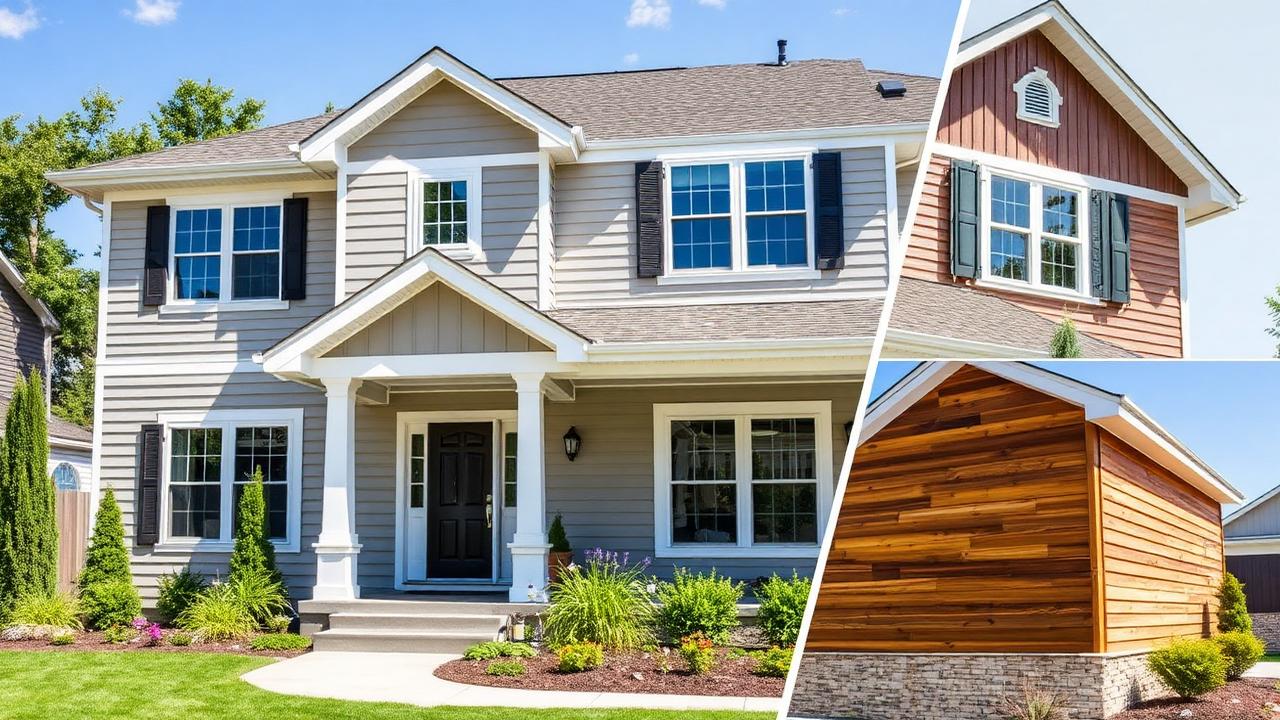
Vinyl, fiber cement, and wood siding each come with their own advantages and tradeoffs. Understanding how these materials perform together helps homeowners make smarter, longer lasting decisions.
If you are building a new home or renovating an existing one, the right choice depends on your budget, your home's architectural style, and how much upkeep you are willing to handle over time.
Why Siding Is a Big Deal for Homeowners
Siding is far more than a visual upgrade. Along with your roofing material, it plays a major role in how well your home performs, protects itself, and holds value over time.
Quality siding helps insulate your home and directly impacts energy efficiency. When paired correctly with the right roofing material, it helps maintain consistent indoor temperatures during extreme weather.
Siding also acts as a protective barrier against heat, storms, and UV exposure. It must withstand expansion, contraction, and moisture without breaking down prematurely.
Finally, siding has a major impact on curb appeal and resale value, especially when coordinated with your roofing material for a cohesive exterior design.
Vinyl Siding: Cost-Friendly, Low-Maintenance, and Evolving Fast
Affordable upfront cost. Vinyl is one of the most budget-friendly siding materials available, making it ideal for homeowners balancing cost with performance.
Low maintenance. Vinyl does not require painting or sealing. Occasional cleaning is usually enough to maintain its appearance.
Variety of styles and colors. Modern vinyl siding offers a wide range of textures and colors, making it easy to match with your roofing material.
Fade-resistant technology. Many newer products include UV-resistant features designed to hold color longer in harsh sunlight.
Where Vinyl May Fall Short
Performance in extreme heat. Vinyl can warp or soften under prolonged high temperatures, making proper installation critical.
Environmental considerations. Vinyl is generally less eco-friendly than other siding options.
Perceived value. It may not deliver the same premium look as wood or high-end fiber cement.
Bottom Line on Vinyl
Vinyl is a strong option for homeowners seeking affordability and low maintenance. When paired with the right roofing material, it provides dependable protection and solid curb appeal.
Fiber Cement Siding: Tough, Stylish, and Built for Durability
Looking for strength, safety, and long-term performance? Fiber cement siding is a top contender.
Why Fiber Cement Stands Out
Fire resistant and pest resistant. Adds an extra layer of protection to your home's exterior system.
Storm durability. Performs well against wind, rain, and hail.
Wood-like appearance. Offers the look of painted wood with significantly less maintenance.
More sustainable option. Made from cement, sand, and cellulose fibers.
Where Fiber Cement Has Drawbacks
Higher upfront cost. More expensive than vinyl due to material and installation complexity.
Heavy material. Requires skilled installation.
Maintenance over time. May need repainting every 10 to 15 years.
Bottom Line on Fiber Cement
Fiber cement is ideal for homeowners focused on durability and long-term value. It pairs well with modern roofing systems and provides a strong, cohesive exterior.
Wood Siding: Timeless Charm with Real Character
For those who value natural materials and traditional design, wood siding remains a standout option.
Why Homeowners Love Wood
Natural beauty. Provides unmatched warmth and character.
Insulation properties. Helps regulate indoor temperatures when combined with proper roofing and ventilation.
Customizable. Can be painted, stained, or left natural.
Eco-friendly. When responsibly sourced, wood is renewable and biodegradable.
Challenges With Wood
High maintenance. Requires regular sealing or painting.
Pest and moisture vulnerability. Needs ongoing monitoring and care.
Higher long-term cost. Maintenance and repairs can add up over time.
Bottom Line on Wood
Wood offers timeless curb appeal but requires consistent upkeep. It works best for homeowners willing to invest in maintenance.
Vinyl vs. Fiber Cement vs. Wood
When comparing these three materials side by side, cost ranges from affordable vinyl to mid-range fiber cement to premium wood. Maintenance is lowest with vinyl, moderate with fiber cement, and highest with wood. Durability is moderate for vinyl, high for fiber cement, and moderate for wood. Weather resistance is fair for vinyl, excellent for fiber cement, and fair for wood. Aesthetic variety is high for both vinyl and fiber cement, while wood offers a natural, one-of-a-kind look. Eco-friendliness is low for vinyl, medium for fiber cement, and high for wood.
Key Factors to Consider
Your Local Climate
Your siding and roofing material must handle sun exposure, storms, moisture, and temperature swings.
Curb Appeal
Choose materials that complement your home's style and create a cohesive exterior.
HOA or Guidelines
Check any neighborhood requirements before making final decisions.
Maintaining Your Siding
Vinyl
- •Clean once or twice per year
- •Check for cracks or loose panels
- •Inspect roofline connections
Fiber Cement
- •Wash annually
- •Repaint every 10 to 15 years
- •Check for moisture intrusion
Wood
- •Seal or paint every 3 to 5 years
- •Monitor for rot or pests
- •Use treated materials near ground and rooflines
Regular maintenance helps extend the life of both siding and roofing systems while protecting your home's value.
Not Sure Which Option Is Right?
Choosing between vinyl, fiber cement, and wood can feel overwhelming. The right decision depends on performance, maintenance, and how materials work together as a complete exterior system.
Action Exteriors helps homeowners make informed decisions so all exterior components work together for long-term durability and curb appeal.
Ready to Boost Curb Appeal?
Your home deserves an exterior that looks great and performs reliably.
Whether you prefer vinyl, fiber cement, or wood, the right siding choice will protect your investment for years to come.