Roof problems are stressful, but not all roof problems are emergencies. One of the most common challenges homeowners face is determining when roof damage truly requires immediate action and when it allows time for planning. Without clear guidance, even minor issues can feel overwhelming.
Understanding roofing emergency signs helps homeowners move from emotional reaction to informed response. A roofing emergency is not defined by inconvenience, discomfort, or visual concern alone. It is defined by risk, active damage, and the potential for rapid escalation if left unaddressed.
This distinction matters. Treating every issue as urgent leads to unnecessary stress and rushed decisions. Ignoring true emergencies, on the other hand, increases the likelihood of widespread damage and safety risks.

What Actually Defines a Roofing Emergency
A roofing emergency exists when the roof can no longer reliably protect the home or the people inside it. This typically falls into three categories: active water intrusion, safety hazards, and structural instability.
Active water intrusion is one of the clearest roofing emergency signs. When water is entering the home during rain or snow melt, the roofing system is actively failing. This is not a cosmetic concern. It means moisture is moving into areas designed to remain dry.
Even small leaks qualify as emergencies when they are active. Water spreads quickly once it enters the structure. It travels along framing, insulation, and interior surfaces. What appears as a small stain or drip often represents a much larger moisture footprint behind the scenes.
According to guidance from the U.S. Environmental Protection Agency, unresolved moisture intrusion increases the risk of material deterioration and indoor air quality issues. This is why active leaks should never be postponed.
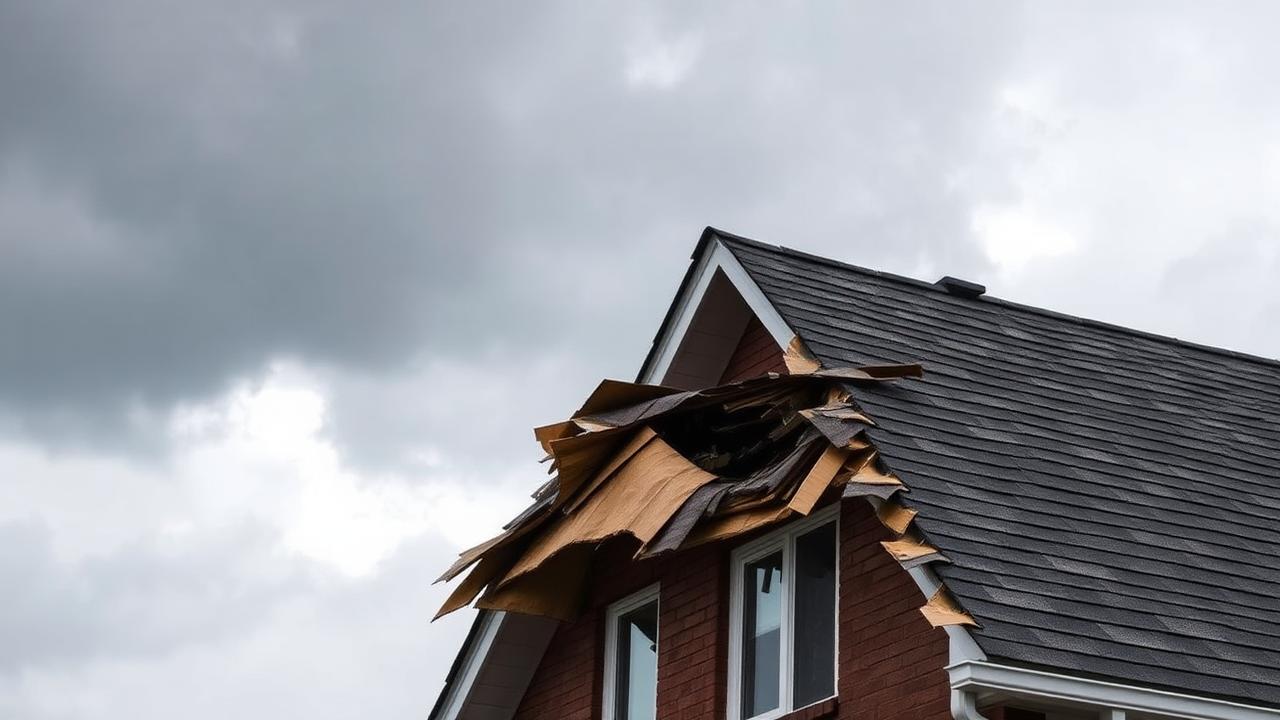
Safety hazards represent another category of roofing emergencies. Loose shingles, damaged flashing, or compromised roof edges can become dangerous under wind or storm conditions. Materials that appear stable during calm weather may detach suddenly when conditions change.
Roofing emergency signs related to safety are not always obvious from the ground. Subtle movement, lifted edges, or visible gaps can indicate components that are no longer securely attached.
Structural instability is less common but more severe. This includes sagging rooflines, compromised decking, or damage caused by fallen trees or excessive loads. Structural roofing emergencies pose serious risks and require immediate professional attention.
Why Many Roofing Issues Feel Urgent But Are Not
Not all roofing concerns qualify as emergencies, even though they may feel stressful. Missing shingles without active leaks, aging materials, or cosmetic damage often allow time for evaluation and planning.
These issues matter and should not be ignored, but they typically change slowly rather than rapidly. The key difference is consequence. Roofing emergency signs indicate that waiting could result in immediate or accelerating damage.
Homeowners often confuse inconvenience with urgency. Interior noise, minor stains that do not change, or debris in gutters can be unsettling but are not always emergencies. The deciding factor is whether the roof is actively failing or creating risk.
Another important factor is predictability. If an issue has remained stable across multiple weather events, it is less likely to be an emergency. If the next storm could significantly worsen the situation, urgency increases.
Why Active Leaks Deserve Immediate Attention
Water intrusion is one of the most damaging forces a home can experience. Once water enters the structure, it affects more than the surface it touches.
Insulation absorbs moisture and loses effectiveness. Wood remains damp longer than intended, which weakens materials over time. Drying becomes slower with each exposure.
Even short periods of leakage can cause damage that takes weeks or months to fully reveal itself. This delayed visibility often leads homeowners to underestimate severity.
Roofing emergency signs involving leaks should always be treated as urgent because the cost of waiting is rarely limited to the roof alone.
Safety Risks Homeowners Commonly Overlook
Safety related roofing emergencies are sometimes harder to recognize. Loose materials may not appear dangerous until weather conditions change.
Wind can lift partially detached shingles or flashing and turn them into projectiles. Falling roofing materials pose risks to people, vehicles, and surrounding property.
Roof edges and overhangs are particularly vulnerable. Damage in these areas often progresses quietly until a storm exposes the weakness.
Roofing emergency signs tied to safety should never be delayed simply because no damage has occurred yet. The risk lies in what could happen next.
Why Structural Roofing Emergencies Are Rare but Serious
Structural emergencies occur when the roof's ability to carry load is compromised. This may result from severe weather, prolonged moisture exposure, or physical impact.
Signs include sagging surfaces, uneven rooflines, or visible damage to supporting components.
These conditions require immediate professional evaluation because failure can occur suddenly without warning.
How Professional Evaluation Brings Clarity
Determining whether a roofing issue qualifies as an emergency can be difficult without experience. Homeowners are often forced to make decisions based on limited information.
Professional evaluation helps distinguish between urgent conditions and issues that allow time. This clarity reduces stress and prevents unnecessary panic.
At Action Exteriors, evaluations focus on identifying active risks first rather than pushing immediate decisions. The goal is to protect the home and occupants while providing clear guidance.
Homeowners who are unsure whether their situation qualifies as a roofing emergency can ask questions or request guidance through the Action Exteriors contact page. Early clarification often prevents minor issues from becoming major problems.

Understanding Emergency Versus Non Emergency Builds Confidence
When homeowners understand roofing emergency signs, decision making becomes calmer and more confident. They know when immediate action is necessary and when they can plan carefully.
This understanding protects both the home and the homeowner. It reduces unnecessary urgency while ensuring that true emergencies are addressed promptly.
How Roofing Emergency Signs Escalate When Action Is Delayed
Roofing emergency signs rarely remain static. When a roof reaches the point where it can no longer reliably protect a home, time becomes a critical factor. What feels manageable today can become significantly more damaging after only a few weather events. This is not because homeowners do anything wrong, but because roofing systems are exposed to forces that compound stress quickly.
One of the most common escalation paths involves active water intrusion. When water enters the home, it does not stop at the first visible sign. Moisture follows gravity, framing, and insulation pathways, spreading horizontally and vertically through the structure. Even a small leak can affect a large area beneath the roof surface.
This is why roofing emergency signs that involve active leaks should never be minimized. The visible drip or stain is only a symptom. The actual moisture footprint is often much larger and continues to expand with each rainfall. Insulation absorbs water and loses effectiveness. Wood remains damp longer than intended. Drying becomes slower and less complete over time.
According to the U.S. Environmental Protection Agency, unresolved moisture problems increase the risk of material deterioration and indoor air quality issues. Roofing emergencies that allow water inside fall directly into this category, even if the leak appears small.
Why Roofing Emergency Signs Often Feel Worse After the Fact
Many homeowners feel surprised when roof related damage suddenly appears extensive. This reaction is understandable. Roofing emergency signs often exist before damage becomes obvious, but the progression happens out of sight. By the time drywall stains grow, ceilings soften, or odors develop, moisture has usually been present for longer than expected.
This delayed visibility creates the impression that damage happened suddenly. In reality, the system crossed a threshold where materials could no longer tolerate repeated exposure. Understanding this progression helps homeowners avoid self blame and focus on solutions instead of regret.
Another escalation factor is weather variability. Roofing emergency signs often appear during one storm and seem to stabilize afterward. This can create a false sense of security. However, roofs that are already compromised are more vulnerable to future weather, even if conditions seem similar.
Wind direction, rainfall intensity, temperature changes, and debris all influence how stress is applied. A roof that survives one storm may fail during the next because the damage was already present. This unpredictability is a defining characteristic of true roofing emergencies.
Safety Risks That Are Easy to Underestimate
Not all roofing emergency signs involve water. Some involve safety risks that homeowners may not immediately recognize. Loose shingles, damaged flashing, or compromised roof edges can become hazardous under wind load. Materials that appear stable from the ground may be one gust away from detaching.
When roofing materials become airborne, they pose risks to people, vehicles, and nearby property. These risks increase significantly during storms, which is when roofing emergency signs are most likely to worsen.
Structural stress is another area where escalation can occur quietly. Sagging rooflines, uneven surfaces, or damage from fallen branches may indicate compromised support beneath the roofing materials. These conditions should never be ignored, even if the roof has not yet leaked.
Structural roofing emergencies are less common, but when they occur, they require immediate attention because failure can be sudden and severe.
Why Temporary Stabilization Is Often the Right First Step
One reason homeowners hesitate to respond to roofing emergency signs is fear of being forced into major decisions quickly. It is important to understand that emergency response does not always mean full replacement or permanent repair right away.
In many cases, the first priority is stabilization. This may involve stopping active leaks, securing loose materials, or preventing further exposure. Stabilization reduces risk and buys time for proper evaluation and planning.
This approach allows homeowners to regain control of the situation without rushing into long term commitments. It also prevents additional damage while decisions are made thoughtfully.
Professional guidance is especially valuable at this stage. An experienced contractor can distinguish between what must be addressed immediately and what can safely wait. This clarity removes much of the emotional pressure that comes with emergency situations.
How Roofing Emergency Signs Affect Other Home Systems
Roofing emergencies rarely remain confined to the roof alone. Once water or structural stress enters the system, other components are affected. Ceilings, walls, insulation, and even electrical systems can become involved.
Homeowners sometimes focus on repairing interior damage first because it is visible and disruptive. While interior repairs may be necessary, they do not resolve the underlying roofing emergency if the source remains active.
Understanding how roofing emergency signs connect to interior symptoms helps homeowners prioritize correctly. Addressing the roof first prevents repeated damage and protects repair investments.
This systems-based understanding also explains why problems can feel overwhelming. Multiple symptoms often trace back to a single unresolved issue at the roof level.

Why Professional Evaluation Reduces Stress and Guesswork
Determining whether a situation qualifies as a roofing emergency can be difficult without experience. Homeowners are often forced to make decisions with incomplete information, which increases anxiety.
Professional evaluation replaces guesswork with explanation. Contractors who understand roofing emergency signs can assess risk, identify escalation potential, and recommend appropriate next steps.
At Action Exteriors, emergency evaluations focus on identifying active risks first. The goal is to protect the home and occupants while providing clear guidance on what requires immediate attention and what can be scheduled.
Homeowners who are unsure about their situation can ask questions or request guidance through the Action Exteriors contact page. Early clarification often prevents unnecessary stress and additional damage.
How Weather Forecasting Plays a Role in Emergency Decisions
Weather conditions are an important factor in emergency decision making. Roofing emergency signs become more urgent when severe weather is expected. Additional exposure increases the likelihood of escalation.
A roof that might hold through calm weather may fail during heavy rain, high winds, or snow accumulation. Planning around upcoming weather is part of responsible response.
Conversely, issues that remain stable across multiple weather events often allow time for planned evaluation. Recognizing this distinction helps homeowners act decisively without overreacting.
Clarity Leads to Better Outcomes
Roofing emergency signs exist to protect homeowners, not to create panic. They signal when a system can no longer perform its basic function safely.
When homeowners understand what qualifies as an emergency, how escalation occurs, and why timely response matters, decision making becomes calmer and more confident.
The goal is not urgency for its own sake. The goal is protection. Acting when true roofing emergency signs are present prevents greater damage and preserves options.
By approaching emergencies with clarity rather than fear, homeowners can safeguard their homes and make informed decisions that serve them well in the long term.
Roofing Emergency Signs Homeowners Can Confirm Without Guessing
One reason roofing problems feel overwhelming is that many homeowners assume they need expert knowledge to decide what qualifies as urgent. In reality, several roofing emergency signs can be confirmed through simple observation. The goal is not to diagnose the exact cause. The goal is to recognize whether risk is active, escalating, or likely to spread.
The first and most direct roofing emergency sign is active water intrusion. If water is entering the home during rain or melting snow, the roof is currently failing at its primary job. This is not a "monitor and see" situation. Even if the leak is small, moisture can spread widely inside the structure.
The second category of roofing emergency signs involves structural or safety instability. Homeowners often underestimate how quickly loose roofing components can become dangerous. Anything that appears lifted, detached, or visibly shifted should be treated as a potential safety issue, especially when wind or storms are expected.
Homeowners can watch for roofing emergency signs such as:
- •Active dripping or water trails during rainfall
- •Ceiling stains that are expanding or darkening over time
- •Bulging drywall or soft ceiling areas that feel damp to the touch
- •Visible shingle edges that appear lifted, curled, or missing after wind
- •Debris from roofing materials in the yard after storms
- •Sagging rooflines or visible dips that were not previously present
Another overlooked roofing emergency sign is repeated interior moisture in the same location after weather events. If a stain or damp area becomes active again after multiple storms, that pattern strongly suggests the roof is not performing reliably. Even if the leak is not constant, it is still active whenever the conditions align.
It is also important to distinguish between "old evidence" and "current risk." A dry stain that has remained unchanged for months may not indicate an emergency today, but a stain that grows, darkens, or becomes damp after storms suggests escalation. Roofing emergency signs often show themselves through change, not just presence.
The key is to focus on what is happening now. Roofing emergency signs are defined by active damage and near-term risk, not by cosmetic appearance alone. Homeowners do not need to identify the exact roof leak source to decide whether stabilization is needed. They only need to recognize whether the roof is currently failing or likely to fail soon under predictable conditions.
This approach reduces stress because it removes the pressure to make a perfect diagnosis. The homeowner's job is not to solve the problem alone. The homeowner's job is to recognize roofing emergency signs early enough to prevent spread.

Why Roofing Emergency Signs Often Show Up as Indoor Symptoms First
One reason homeowners struggle to interpret roofing emergency signs is that the first evidence often appears inside the home, not on the roof. This feels backwards. People expect to see roof damage before they see interior effects, but the opposite is common.
Roofs sit outside daily awareness. Most homeowners do not routinely inspect flashing, roof penetrations, valleys, or shingle edges. But ceilings and walls are visible every day, which means interior symptoms often become the first sign that something is wrong.
This matters because indoor symptoms can look minor even when the roofing emergency signs behind them are serious. A faint stain may represent water spreading along framing. A damp smell may reflect wet insulation. A small drip may only be the visible edge of a larger moisture footprint.
Common interior roofing emergency signs include:
- •Water staining that appears after storms or snow melt
- •Paint bubbling or peeling near ceiling corners
- •Drywall that feels soft, spongy, or swollen
- •Musty odors that appear after rain and fade later
- •Sudden changes in attic humidity or damp insulation
These signs are often misinterpreted because they do not always appear consistently. Water can travel for a long distance before showing itself. It can also appear only when wind drives rain toward a specific roof area. This inconsistency makes homeowners question whether the situation is truly urgent.
However, inconsistency does not mean safety. In many cases, inconsistent symptoms are a sign that conditions are controlling the leak, not that the leak is minor. Roofing emergency signs often intensify when the "right" storm conditions return.
Interior symptoms also create a psychological delay. Homeowners may hope the issue is condensation, humidity, or an old stain. That hope is understandable, but it can prevent early stabilization. Roofing emergency signs are not always dramatic, but they tend to become more costly when they are ignored.
Recognizing the indoor-first pattern helps homeowners respond with calm rather than confusion. A homeowner does not need to see missing shingles to take a leak seriously. The roof's job is to keep moisture out. If moisture is inside, the roof is not fully doing its job in that location.
This is why indoor evidence is often enough to justify professional evaluation. Roofing emergency signs do not require visible exterior destruction to be real. They require evidence of risk, active intrusion, or escalation potential. Indoor symptoms often provide exactly that evidence.

How to Use a Simple Risk Filter for Roofing Emergency Signs
Homeowners often feel stuck between two extremes. Either they treat every roofing issue as an emergency, or they delay too long because they do not want to overreact. A simple risk filter helps reduce this uncertainty.
This approach does not require technical roofing knowledge. It only requires answering a few structured questions that clarify whether roofing emergency signs are present.
Risk Filter Question 1: Is damage active right now?
If water is entering the home, materials are loose, or roof edges appear unstable, roofing emergency signs are likely present. Active conditions should be addressed quickly because delay allows spread.
Risk Filter Question 2: Could the next storm significantly worsen the situation?
Roofing emergency signs become more urgent when forecasted weather is likely to increase risk. If a roof is already compromised, additional wind or rain can turn minor issues into major failures.
Risk Filter Question 3: Is there a safety hazard?
Anything that could detach, fall, or create a structural concern qualifies as urgent. Roofing emergency signs tied to safety should not be delayed simply because no damage has occurred yet. The danger is the potential for sudden change.
Risk Filter Question 4: Is the problem changing?
Change is one of the clearest roofing emergency signs. A stain that grows, a drip that repeats, or a ceiling that softens over time signals progression. Stable issues may allow planning. Changing issues require faster evaluation.
Risk Filter Question 5: Are you responding with workarounds?
If buckets, towels, moved furniture, or "we just avoid that area" becomes part of routine, roofing emergency signs may already be influencing daily life. Workarounds often signal that stabilization is overdue.
This risk filter helps homeowners replace vague anxiety with clear criteria. It also helps avoid unnecessary panic. Not every missing shingle is an emergency. Not every stain means immediate replacement. But when active intrusion, safety risk, escalation potential, or progression is present, roofing emergency signs deserve prompt attention.
Most importantly, this filter supports one practical takeaway. If you cannot confidently answer these questions, professional evaluation becomes the next best step. Roofing emergency signs feel overwhelming primarily when homeowners are forced to guess. Clarifying risk removes much of that emotional weight.