In Dallas-Fort Worth, the average asphalt shingle roof is replaced approximately every 7 years due to frequent hailstorms and severe weather. With rising insurance deductibles, shrinking coverage options, and high mortgage rates, repeated roof replacements have become an expensive and frustrating cycle for homeowners. This reality has pushed many property owners to focus on long term roof protection by investing in a roofing system designed to withstand hail impact without constant repairs or premature replacement.
And let’s be honest: how much do you really enjoy the endless stream of storm chasers knocking on your door day and night after every hailstorm? The pressure and disruption that follow severe weather events can be overwhelming, especially when homeowners are unsure who to trust. Working with a highly reviewed local contractor like Action Exteriors Fort Worth helps eliminate that uncertainty and provides confidence that the work is being done right.
By choosing a hail-warrantied roofing solution like F-Wave installed by Action Exteriors Fort Worth, homeowners gain true long term roof protection, reducing the need for repeated insurance claims and avoiding the post-storm chaos altogether. The result is greater peace of mind, more predictable costs, and a roof built to perform reliably for years to come.
Learn more about Action Exteriors Fort Worth and verified homeowner reviews here.
What are Traditional Architectural Shingles?
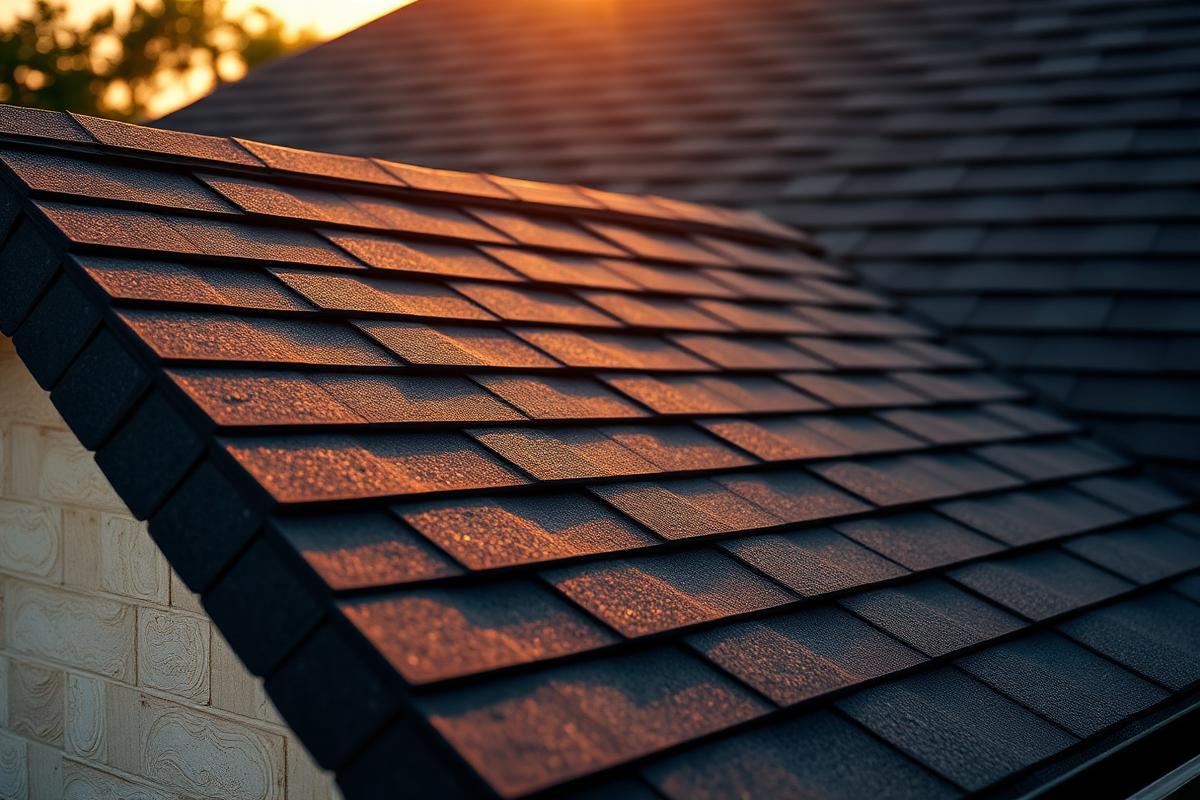
Before diving into F-Wave Synthetic Shingles, it is important to understand how a traditional architectural, also known as laminated, asphalt shingle is constructed. These shingles are commonly used throughout Dallas-Fort Worth and are often viewed as an upgrade from basic three-tab shingles, primarily because of their thicker appearance and layered design.
A typical architectural shingle is made up of several key components:
- •A fiberglass mat that provides structural stability and tensile strength
- •An asphalt coating that helps shed water and offers basic weather resistance
- •Ceramic-coated mineral granules that protect against UV exposure, add color, and contribute to surface durability Source: [3M Roofing Granules Overview]
These shingles are referred to as laminated because multiple layers of asphalt are fused together during the manufacturing process. The bottom layer serves as a full-width base, while the top layer features cut tabs that create a dimensional, textured appearance on the roof.
While architectural shingles offer visual appeal and modest performance improvements, they remain asphalt-based and can still degrade under repeated hail impact and extreme weather conditions. For homeowners focused on long term roof protection, understanding these limitations is essential before comparing traditional materials to advanced synthetic roofing options like F-Wave.
How Are F-Wave Shingles Different?
F-Wave shingles are manufactured using a proprietary blend of advanced, 100 percent virgin polymers rather than traditional roofing materials such as fiberglass, asphalt, and mineral granules. This innovative construction allows F-Wave to deliver superior performance and durability, making it a strong option for homeowners seeking long term roof protection in hail-prone areas like Dallas-Fort Worth.
When installed by a certified and experienced contractor such as Action Exteriors Fort Worth, homeowners can be confident their roofing system is properly installed and backed by manufacturer standards and warranties. Learn more about Action Exteriors Fort Worth and their roofing credentials here.
Key benefits of F-Wave Synthetic Shingles include:
- •UV-Resistant Without Granules
- •No Granules to Lose
- •Color Warranty
- •Self-Healing Performance
- •True Hail Warranty
Does F-Wave Actually Work?
As of December 2025, there have been no reported hail claims against F-Wave shingles in the state of Texas. This performance record highlights the effectiveness of F-Wave as a roofing system engineered to withstand severe weather and reduce loss events over time. For homeowners in hail-prone markets like Dallas-Fort Worth, this level of durability supports true long term roof protection rather than repeated repair and replacement cycles.
Because of the reduced risk profile, some homeowners have also been able to request re-underwriting of their insurance policies after installing F-Wave. In one documented case, a homeowner saw their annual insurance premiums drop by nearly 60 percent, decreasing from over $20,000 per year to less than $10,000 per year. These savings were attributed to a lower risk of loss and the elimination of frequent hail-related claims, further reinforcing the financial value of investing in long term roof protection.
Return on Investment
In the example referenced below, insurance premium savings alone exceeded the cost of upgrading to F-Wave in approximately five years. While that short-term return is significant, the greatest financial benefit comes from avoiding another full roof replacement within five to seven years, which is a near certainty when using traditional asphalt shingles in hail-prone North Texas.
Switching from traditional asphalt shingles to F-Wave Synthetic Shingles can deliver a positive return on investment within 5 to 10 years, depending on factors such as your insurance policy, deductible, and underwriting requirements. For homeowners in North Texas, this decision goes beyond durability. It is an investment in long term roof protection that helps reduce insurance costs, eliminate frequent repair expenses, and stabilize the overall cost of homeownership.
For homeowners in hail-prone regions, the long-term savings associated with long term roof protection are substantial. Lower insurance premiums, fewer claims, and the elimination of repeated storm-related repairs make F-Wave a financially sound choice for those looking to protect both their home and their budget over time.
This table illustrates the cost savings of investing in F-Wave and uses a conservative assumption that the homeowner carries a full replacement cost value policy. For a deeper understanding of how roofing materials impact coverage, deductibles, and underwriting, read our detailed guide on roofing insurance in Dallas-Fort Worth here.
Should You Get an F-Wave Roof?
If you are replacing your roof in the Dallas-Fort Worth area, F-Wave shingles are worth serious consideration for homeowners who want performance that lasts beyond the next storm season. Designed specifically for hail-prone regions, F-Wave offers long term roof protection that goes far beyond what traditional asphalt shingles can deliver.
Key advantages of choosing F-Wave include:
- •A true hail warranty that provides added confidence in severe weather conditions
- •Long term, high-performance protection engineered to withstand repeated hail impacts
- •Reduced risk of hail-related damage and insurance claims
- •Potential insurance savings due to a lower overall risk profile
- •Minimal maintenance requirements and fewer roof replacements over the life of the home
For homeowners planning to sell in the near future, a high-quality asphalt shingle may still make financial sense in the short term. However, it is important to set expectations appropriately. Asphalt roofs typically require more frequent maintenance, age faster under North Texas weather conditions, and carry a higher risk of hail damage. They also tend to attract a steady stream of storm chasers after severe weather events. For those planning to stay in their home long term, investing in long term roof protection with F-Wave can help eliminate these ongoing headaches and provide greater peace of mind.
Action Exteriors x F-Wave
At Action Exteriors Fort Worth, we help homeowners make informed, high-performance roofing decisions that align with their budget, goals, and long-term plans. Our team specializes in solutions designed to deliver long term roof protection, especially in hail-prone areas throughout Dallas-Fort Worth.
We guide homeowners through every step of the process, including:
- •Evaluating your current roof’s condition to identify existing damage and future risk
- •Comparing roofing material options, including advanced synthetic systems like F-Wave
- •Explaining insurance considerations, coverage impacts, and potential premium savings
- •Providing a transparent, no-obligation quote with clear expectations and no pressure
Our goal is to help you choose a roofing system that minimizes future repairs, reduces insurance headaches, and delivers reliable long term roof protection you can trust.
Get your free roof inspection and consultation today by filling out our online form or find out what an F-Wave roof might cost using our free, instant, online pricing tool. Our experts will help you determine if upgrading to F-Wave shingles makes financial and practical sense for your home.
Frequently Asked Questions About Long Term Roof Protection in Dallas-Fort Worth
What is long term roof protection?
Long term roof protection refers to investing in a roofing system designed to withstand repeated severe weather events, especially hail, without requiring frequent repairs or replacement. In Dallas-Fort Worth, this typically means choosing materials that reduce hail damage, maintain structural integrity over time, and lower the likelihood of insurance claims.
Why do asphalt shingle roofs fail so quickly in North Texas?
Traditional asphalt shingles are vulnerable to hail impact, extreme heat, and granule loss. In Dallas-Fort Worth, these conditions often shorten the lifespan of asphalt roofs to as little as seven to ten years. Once granules are lost, the asphalt deteriorates quickly, which is why asphalt shingles struggle to provide true long term roof protection in this region.
How do F-Wave shingles provide long term roof protection?
F-Wave shingles are made from advanced polymer materials instead of asphalt and granules. They are UV-stable, self-healing, and backed by a true hail warranty. Because they do not lose granules or crack under impact, F-Wave shingles are engineered to deliver long term roof protection even in hail-prone environments like North Texas.
Can installing an F-Wave roof reduce insurance costs?
In some cases, yes. Homeowners who install impact-resistant roofing systems like F-Wave may be eligible for insurance re-underwriting or premium reductions due to a lower risk of hail-related claims. While results vary by carrier and policy, reduced claims history is one of the financial benefits tied to long term roof protection.
Is F-Wave worth it if I plan to stay in my home long term?
For homeowners planning to stay in their home for several years or more, F-Wave can be a strong investment. The combination of reduced maintenance, fewer repairs, potential insurance savings, and avoided roof replacements often makes long term roof protection more cost-effective than repeatedly replacing asphalt shingles after storms.
Who should I trust to install an F-Wave roof in Fort Worth?
Proper installation is critical to achieving long term roof protection. Working with an experienced, well-reviewed local contractor like Action Exteriors Fort Worth ensures that the roofing system is installed correctly, warranties are protected, and insurance considerations are properly addressed.