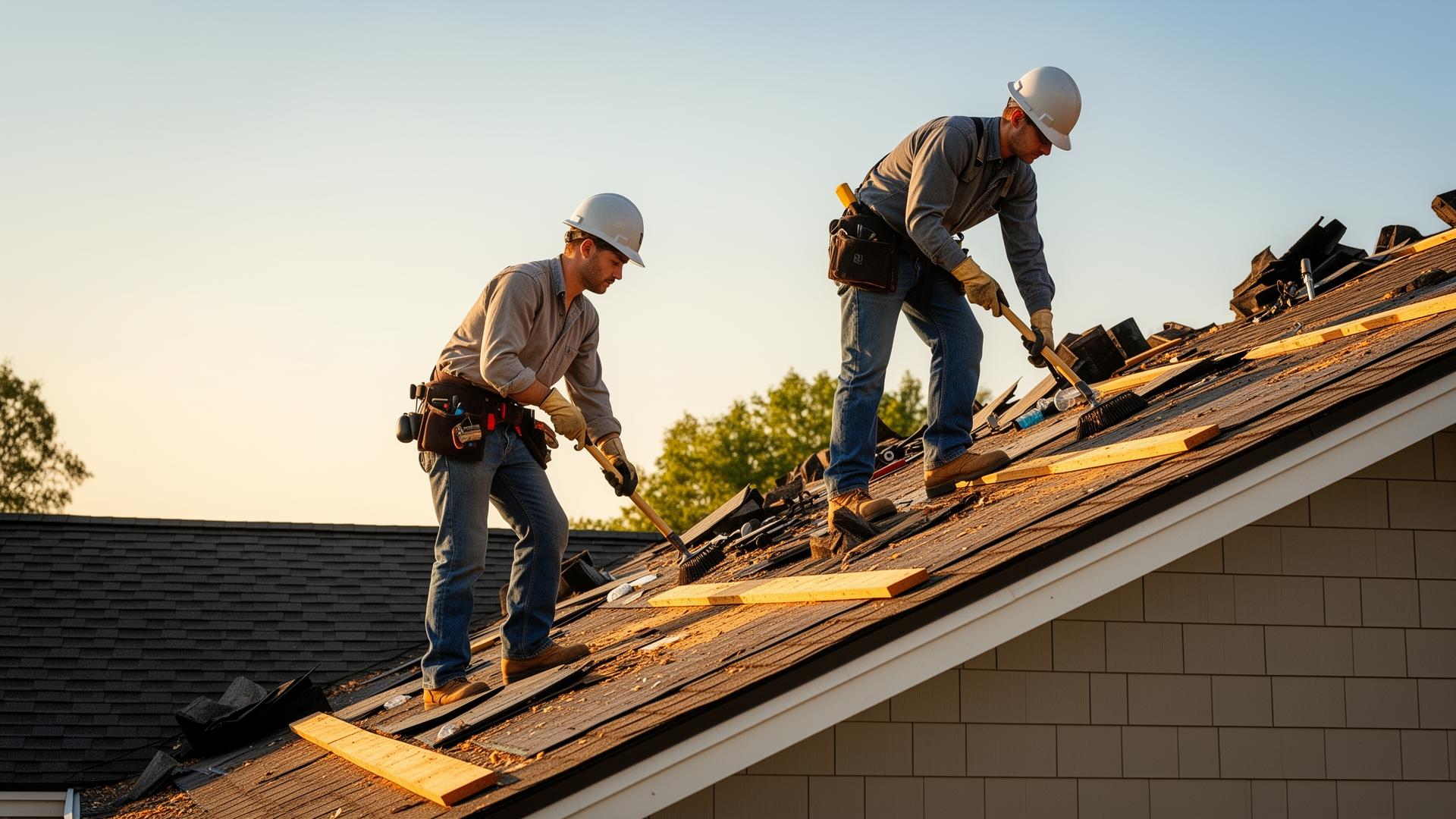
Roof maintenance is often viewed as optional or easy to postpone, especially when there are no visible leaks, missing shingles, or obvious signs of damage. If the roof looks fine from the ground, it is natural for homeowners to assume it can wait. In reality, roof maintenance is one of the simplest and most effective ways to protect exterior systems before problems become disruptive and expensive. Regular maintenance helps manage aging materials, preserve critical details like flashing and transitions, and maintain predictable performance over time.
The difference between proactive roof maintenance and reactive exterior repairs goes well beyond cost. It affects daily comfort, confidence during storms, and the overall sense of control homeowners have over their property. When maintenance is planned, decisions are made calmly and intentionally. When exterior problems are allowed to develop, repairs often happen under pressure, with limited options and higher stress. Roof maintenance shifts exterior care from emergency response to manageable planning.
Major exterior problems almost always appear after something has already gone wrong. Water enters areas where it should not. Materials deteriorate quietly behind finished surfaces. Interior damage appears suddenly and without warning. At that stage, repair scopes expand, schedules tighten, and budgets are stretched. Roof maintenance works in the opposite direction by identifying vulnerabilities early and addressing them before failure occurs. This approach keeps issues smaller, timelines flexible, and disruption to daily life minimal.
This article explains why roof maintenance is easier than dealing with major exterior problems, compares proactive care to reactive repairs, and helps homeowners understand how consistent maintenance reduces stress, lowers long-term costs, and protects the home more effectively over time. If you want a clearer understanding of your roof's current condition and how maintenance can help you avoid future exterior problems, Action Exteriors can help. A professional evaluation is a practical first step toward informed planning and long-term peace of mind.
Why Roof Maintenance Is About Control, Not Just Upkeep
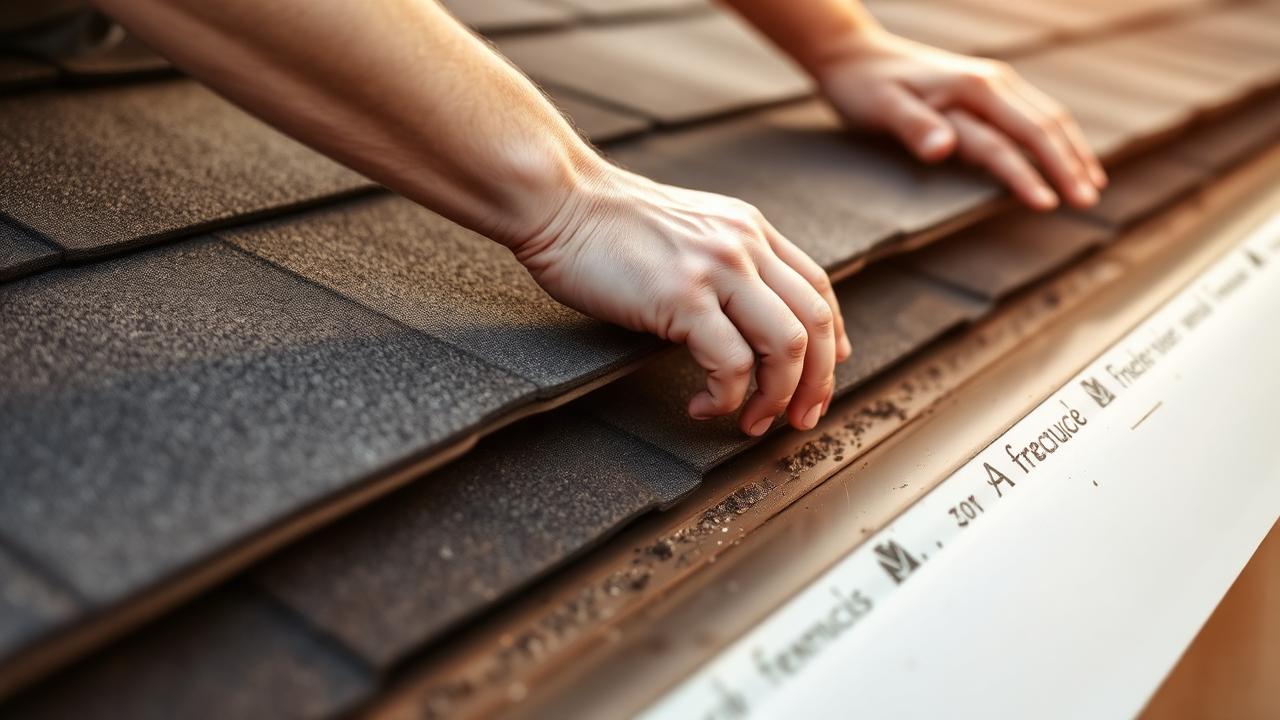
Roof maintenance gives homeowners control over timing, scope, and cost in a way that reactive repairs never can. When maintenance is planned, inspections and minor repairs are scheduled deliberately, often based on roof age, material type, or known exposure areas. Small issues such as aging sealant, loose flashing, or early material wear can be corrected before they affect surrounding systems. Because these tasks are handled early, they are usually straightforward, limited in scope, and far less disruptive to daily life.
Reactive exterior repairs remove that sense of control almost immediately. When a leak appears, rot is discovered, or storm damage exposes vulnerable areas, action becomes urgent rather than intentional. Contractors are contacted under pressure, timelines shrink, and temporary measures may be used just to stop active damage. At this point, problems are rarely confined to the roof surface alone. Water may have already reached insulation, framing, ceilings, or interior finishes, expanding the scope of work and increasing costs. What could have been a minor maintenance item often turns into a complex repair with more variables and fewer options.
Roof maintenance allows homeowners to stay ahead of deterioration instead of chasing it. Decisions are made based on condition and planning rather than stress and urgency. When maintenance is consistent, homeowners choose when to act, how much to address, and how to budget for it. When exterior problems are allowed to develop, those choices disappear. The building dictates the timeline, the scope grows unexpectedly, and costs follow suit.
Proactive Roof Maintenance vs Reactive Exterior Repairs
The difference between roof maintenance and reactive exterior repairs becomes clear when you look at how each situation typically unfolds over time. Proactive roof maintenance is deliberate and preventative. It focuses on understanding how the roof is aging and addressing vulnerabilities before they turn into failures. Homeowners and professionals monitor material condition, watch for gradual wear, and correct issues while they are still small and contained. Flashing and transition details are reviewed early, drainage and ventilation are managed intentionally, and minor deficiencies are corrected before they allow water or air to move where it should not. This process is calm, planned, and largely invisible because it happens before damage appears.
Reactive exterior repairs follow a very different path. They begin only after protection has already failed. Active leaks must be stopped immediately. Damaged materials are removed and replaced under pressure. Interior finishes often need repair because moisture has already entered the home. Decisions are made quickly, schedules are disrupted, and stress levels rise as homeowners work to limit further damage. Instead of managing performance, the focus shifts to damage control and restoration.
Roof maintenance is quieter and less noticeable because it prevents problems homeowners never have to experience. There are no emergency calls, no stained ceilings, and no sudden project expansions that disrupt daily life. Reactive exterior repairs, by contrast, begin only after damage has already occurred, when options are limited and the impact is already being felt.
This difference is why consistent roof maintenance is far easier, less stressful, and more predictable than reacting to major exterior problems. For homeowners who want a deeper understanding of how timely roof repairs support long term durability, our blog on why roof repairs are essential to your home's longevity is a helpful resource that expands on how proactive care protects both the structure and the investment over time.
Roof Maintenance Reduces Stress Before It Starts
One of the most overlooked benefits of roof maintenance is the reduction of emotional stress that comes from uncertainty. When a roof's condition is unknown or only addressed when problems appear, homeowners often feel on edge during storms, temperature swings, or prolonged rainfall. Heavy wind or rain can trigger worry about leaks, hidden moisture, or damage forming out of sight. This constant vigilance becomes exhausting and can quietly affect how comfortable people feel in their own homes.
Roof maintenance replaces that uncertainty with confidence. When homeowners know their roof has been evaluated, maintained, and monitored over time, weather events feel far less threatening. Storms become something that passes through rather than something that demands attention. Seasonal changes feel predictable because the roof is performing as intended. This sense of stability allows homeowners to relax instead of scanning for problems, and that emotional ease is a real and lasting benefit of consistent maintenance.
Major exterior problems tend to create stress long before any repairs are completed. Discovering damage, rushing to schedule contractors, adjusting budgets, and worrying about interior impact all add pressure at once. These moments are disruptive and emotionally draining. Roof maintenance helps prevent them by addressing issues early, reducing the likelihood of emergencies, and allowing exterior care to happen calmly and on the homeowner's terms rather than under urgent conditions.
Why Major Exterior Problems Cost More
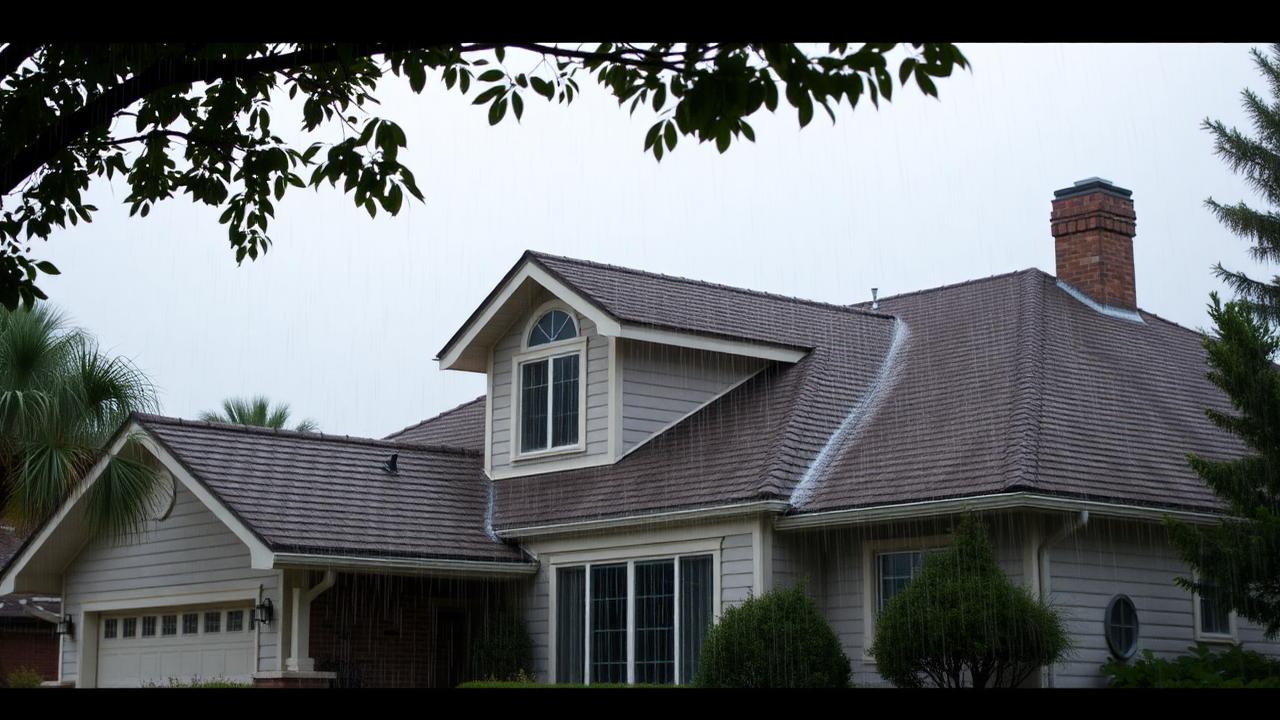
Major exterior problems almost always cost more than roof maintenance. Once water enters the building, damage rarely stays contained. Moisture spreads through roof assemblies, wall systems, and insulation. Interior finishes are vulnerable and expensive to repair.
Roof maintenance costs are predictable. Reactive repairs are not. By maintaining roofing systems before failure, homeowners avoid:
- •Interior drywall and ceiling damage
- •Mold remediation
- •Insulation replacement
- •Structural repairs
- •Emergency labor premiums
The true cost of major exterior problems is not just the repair itself, but the cascade of damage that follows delayed action. What may start as a manageable roofing issue can quickly spread into insulation, framing, and interior finishes, multiplying both cost and disruption. Action Exteriors sees this pattern across the communities we currently serve in Austin TX, Fort Worth TX, Greenville SC, and Tulsa OK, with additional locations planned as we continue to grow. This experience reinforces the value of early evaluation and consistent roof maintenance to help homeowners avoid the compounding impact of deferred exterior care.
Roof Maintenance Protects Interior Investments
Interior renovations significantly increase the importance of roof maintenance because newly finished spaces are far more vulnerable to moisture and temperature instability. Flooring, cabinetry, drywall, insulation, and paint can be damaged quickly if roofing systems fail, even in small or localized areas. Once interior work is complete, there is very little margin for error. A minor leak that might have gone unnoticed before can now result in visible damage, costly repairs, and disruption to spaces that were just improved.
Roof maintenance acts as a protective layer for these interior investments by keeping moisture and air movement under control. When roofing systems are maintained proactively, they help stabilize interior conditions and reduce the likelihood that water or uncontrolled airflow will reach finished spaces. This stability preserves both the appearance and performance of interior upgrades over time. In contrast, reactive exterior repairs often occur only after damage has already reached interior finishes, turning what could have been routine maintenance into a much larger and more stressful restoration effort.
Maintenance Keeps Problems Small
Roof maintenance focuses on identifying and correcting small, contained issues before they affect surrounding systems. A slightly lifted flashing edge, aging sealant, or early material wear can often be addressed quickly when discovered through routine evaluation. These conditions are typically localized and predictable, making repairs simpler, less invasive, and easier to budget for.
Major exterior problems develop when these early warning signs are overlooked. A minor leak can allow moisture to persist, leading to rot that spreads into sheathing, framing, and adjacent assemblies. Over time, what began as a small, manageable issue can compromise multiple systems and require far more extensive repairs. Roof maintenance keeps problems within a controlled scope. Delayed action allows them to compound, increasing both the complexity of repairs and the disruption to the home.
Why Many Homeowners Delay Roof Maintenance
Homeowners naturally respond to what they can see. When a roof appears intact from the ground, with no missing shingles or obvious damage, maintenance can feel unnecessary or easy to postpone. This visual bias is understandable, but it often leads people to wait until problems become visible. In reality, roofing systems frequently begin to fail at transitions, penetrations, and concealed areas long before surface damage is noticeable.
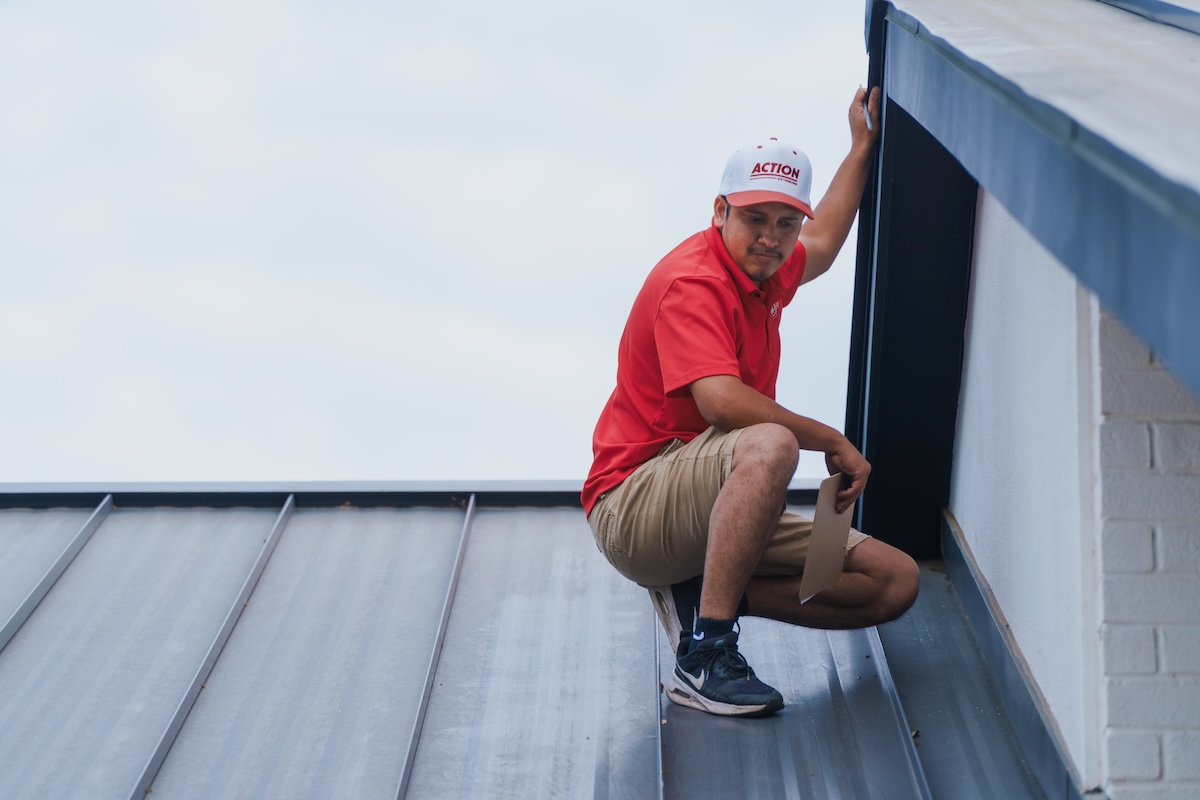
Roof maintenance helps correct this blind spot by shifting the focus from appearance to performance. Professional evaluations look beyond what is visible and assess how materials, flashing, drainage, and transitions are functioning together. This approach identifies vulnerabilities early, before they develop into leaks or interior damage. Major exterior problems often begin not because warning signs were absent, but because decisions were based on appearance rather than actual condition.
Roof Maintenance Creates Predictability
Predictability is one of the greatest benefits of roof maintenance because it replaces guesswork with understanding. When homeowners have a clear picture of their roof's condition, they can distinguish between issues that require immediate attention, items that should be monitored over time, and improvements that can be planned well in advance. This level of clarity removes urgency from decision making. Repairs and upgrades can be scheduled around family needs, seasonal timing, and budgets rather than being driven by sudden failure.
Major exterior problems remove that predictability almost instantly. Leaks, rot, or storm damage introduce surprise costs, force schedule changes, and create pressure to act quickly. Instead of weighing options thoughtfully, homeowners are pushed into reactive decisions as they work to stop damage and limit disruption. Roof maintenance shifts exterior care back into a controlled process. It turns maintenance into a routine responsibility rather than an ongoing source of stress and uncertainty, allowing homeowners to feel prepared rather than caught off guard.
Long-Term Cost Control Starts With Roof Maintenance
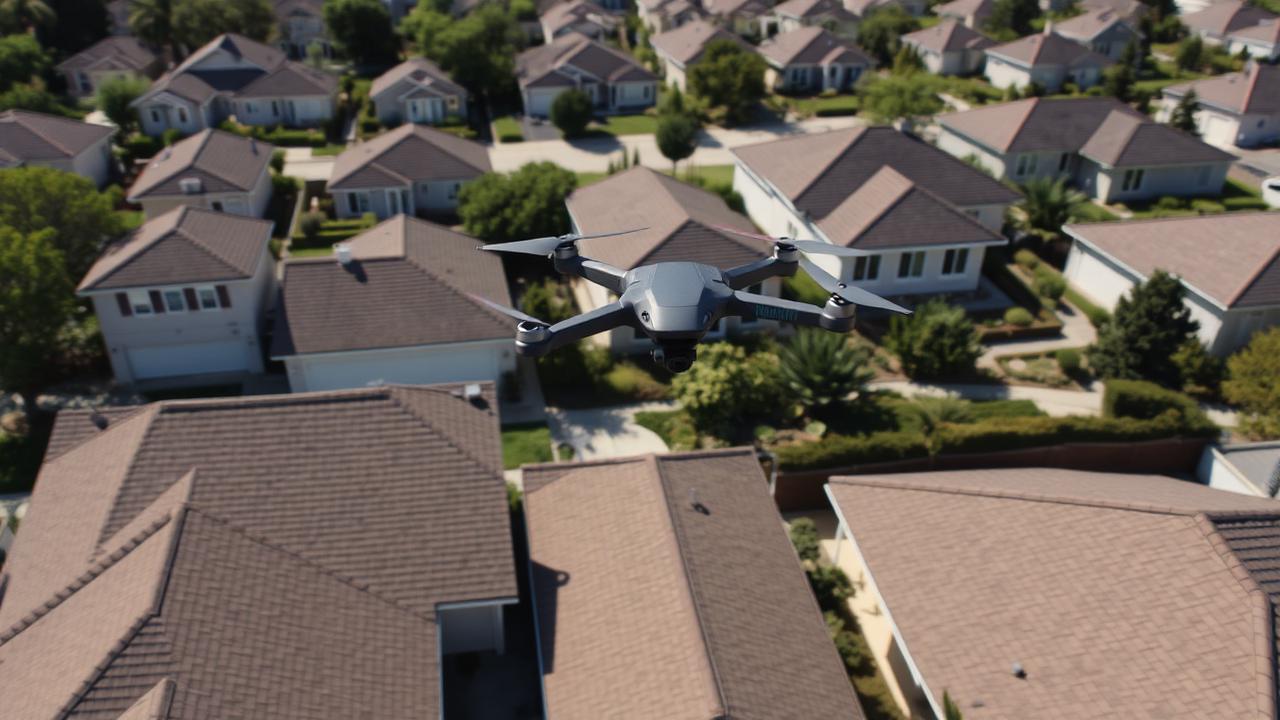
Roof maintenance spreads costs over time instead of concentrating them into emergencies that demand immediate attention. Routine inspections, small repairs, and targeted improvements can be planned within regular budgets, making expenses more predictable and easier to manage. Addressing issues early often costs significantly less than waiting for damage to escalate into large repair projects that require extensive labor, materials, and interior restoration.
This approach supports long-term home ownership by keeping exterior systems performing consistently rather than allowing them to fail unexpectedly. When homeowners focus on maintaining performance instead of reacting to problems, they avoid the financial shock and disruption that come with emergency repairs. Over time, this leads to lower overall exterior costs, fewer major projects, and a more stable, well-protected home.
Roof Maintenance Is an Ongoing Strategy
Effective roof maintenance is not a one-time task completed and forgotten. It is an ongoing strategy that evolves as roofing materials age, weather exposure increases, and building conditions change over time. Regular evaluations help track wear, documentation creates a clear history of care, and incremental improvements address issues before they affect performance. This approach keeps risk low and allows the roof to continue protecting the home as intended.
Major exterior problems are rarely resolved by a single repair. They typically develop after years of deferred maintenance, when small issues have been allowed to compound. Without consistent oversight, deterioration accelerates and failures become more disruptive and expensive. Roof maintenance works in the opposite direction by addressing conditions early and consistently, preventing minor concerns from turning into major exterior problems.
Take a Proactive Approach With Action Exteriors to Stay Ahead of Exterior Problems
Major exterior problems rarely appear without warning. In most cases, they develop gradually as roofing materials age, flashing details weaken, or small maintenance issues are left unaddressed. When roof maintenance is delayed, these early changes remain out of sight, allowing damage to build quietly over time. By the time symptoms become visible, options are limited, costs increase, and repairs are far more disruptive than they needed to be. The most effective way to avoid this cycle is to understand roof performance early and address maintenance needs before exterior problems escalate.
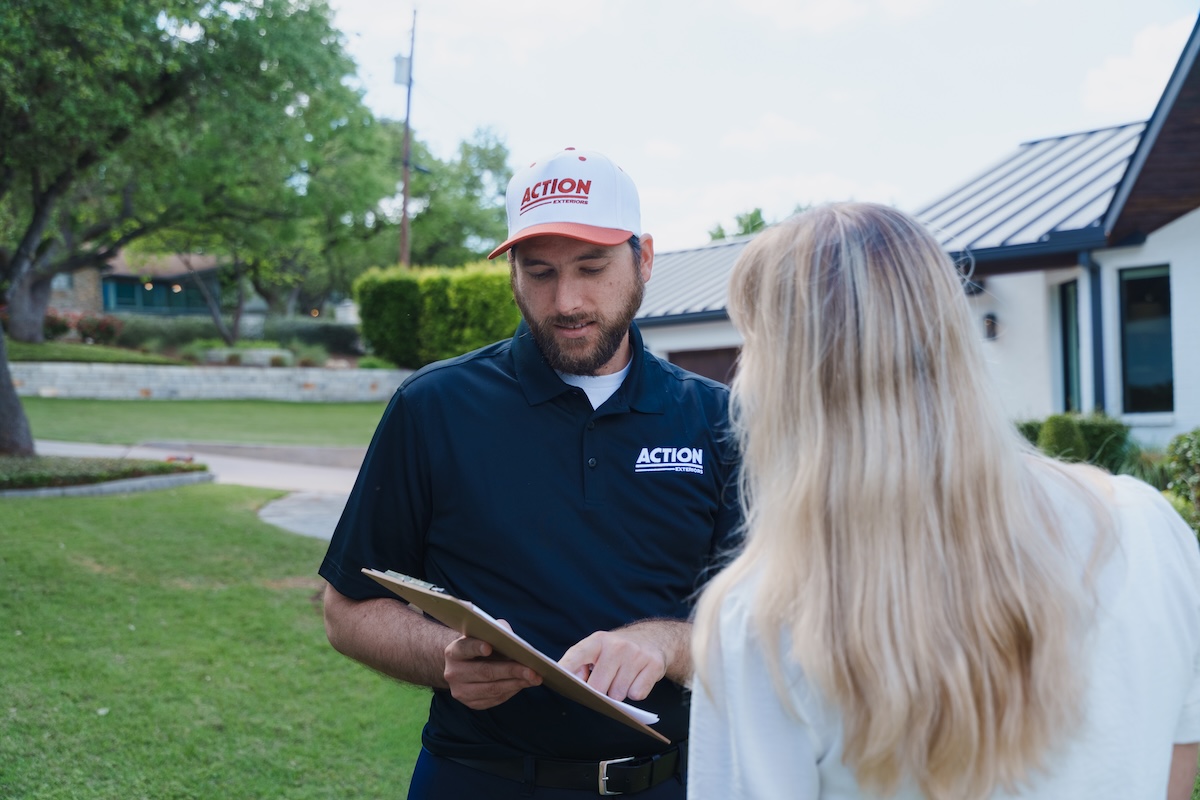
Action Exteriors works with homeowners to evaluate roof condition, identify early vulnerabilities, and explain how aging materials, drainage details, and transitions are affecting long-term performance. Whether your roof is nearing the end of its service life, has undergone past repairs, or simply has not been evaluated in some time, our team focuses on helping homeowners replace uncertainty with clarity and planning.
If you want to avoid major exterior problems and keep roof maintenance manageable and predictable, Action Exteriors can help. A professional evaluation is a practical first step toward protecting your home, controlling long-term costs, and maintaining confidence in how your exterior systems perform year after year.
Roof Maintenance FAQ
1. If my roof looks fine, do I really need roof maintenance? Yes. Roof maintenance is about performance, not appearance. Many roofing issues begin at flashing, transitions, or concealed areas that are not visible from the ground. Regular maintenance helps identify aging materials or small vulnerabilities before they turn into leaks or major exterior problems.
2. How is roof maintenance different from roof repairs? Roof maintenance is proactive and planned. It focuses on inspections, minor adjustments, and early corrections that keep systems performing as intended. Roof repairs are reactive and usually happen after damage has already occurred. Maintenance keeps problems small, while repairs often address the consequences of delayed action.
3. How often should roof maintenance be done? The frequency of roof maintenance depends on roof age, material type, weather exposure, and past repair history. In general, periodic professional evaluations every few years or after significant weather events help homeowners stay ahead of deterioration and plan improvements calmly rather than under pressure.
4. Does roof maintenance really save money in the long run? Yes. Roof maintenance spreads costs over time and helps avoid emergency repairs, interior damage, and structural issues. Addressing small issues early is almost always less expensive than repairing widespread damage caused by leaks, rot, or moisture intrusion that went unnoticed.
5. How does roof maintenance reduce stress for homeowners? Roof maintenance replaces uncertainty with clarity. When homeowners understand their roof's condition, storms feel less threatening, budgets are easier to manage, and exterior care becomes predictable. This confidence is one of the biggest benefits of consistent roof maintenance, even though it is often overlooked.