Many of the roofing issues homeowners face today didn't start with last night's storm or last winter's freeze. They began years, sometimes decades, earlier with the original architectural choices. Roof design problems often develop slowly, hiding behind shingles, under flashing, or inside attic spaces until the damage becomes impossible to ignore. Understanding how roof shape, valleys, and penetrations influence long-term performance can help homeowners make better repair decisions and avoid repeating costly mistakes.
This article breaks down how older design decisions affect modern roofing performance, why some roofs naturally struggle with water and stress, and how to separate unavoidable design limitations from true installation errors. If you're dealing with persistent leaks or premature roof failure, the answers may be built into the structure itself.

Why Roof Design Matters More Than Most Homeowners Realize
Roof design problems are rarely obvious during the early years of a home's life. In fact, many designs perform adequately for a decade or more before weaknesses start to show. By the time symptoms appear, leaks, sagging, ice dams, or interior stains, the roof system has already been under stress for years.
Unlike material defects, which often fail quickly, design-related issues tend to compound over time. Water takes the path of least resistance, and roofs that unintentionally concentrate runoff or limit drainage slowly deteriorate. This is why two homes built in the same year with the same materials can age very differently.
Professional roof inspections focus not just on what's damaged, but *why* it failed. In many cases, the root cause traces back to architectural decisions that looked good on paper but created long-term performance challenges.
How Roof Shape Influences Long-Term Performance
The overall shape of a roof determines how water, snow, heat, and debris move across its surface. Some shapes naturally shed water efficiently, while others introduce complex drainage paths that increase risk.
Simple Roof Shapes vs. Complex Designs

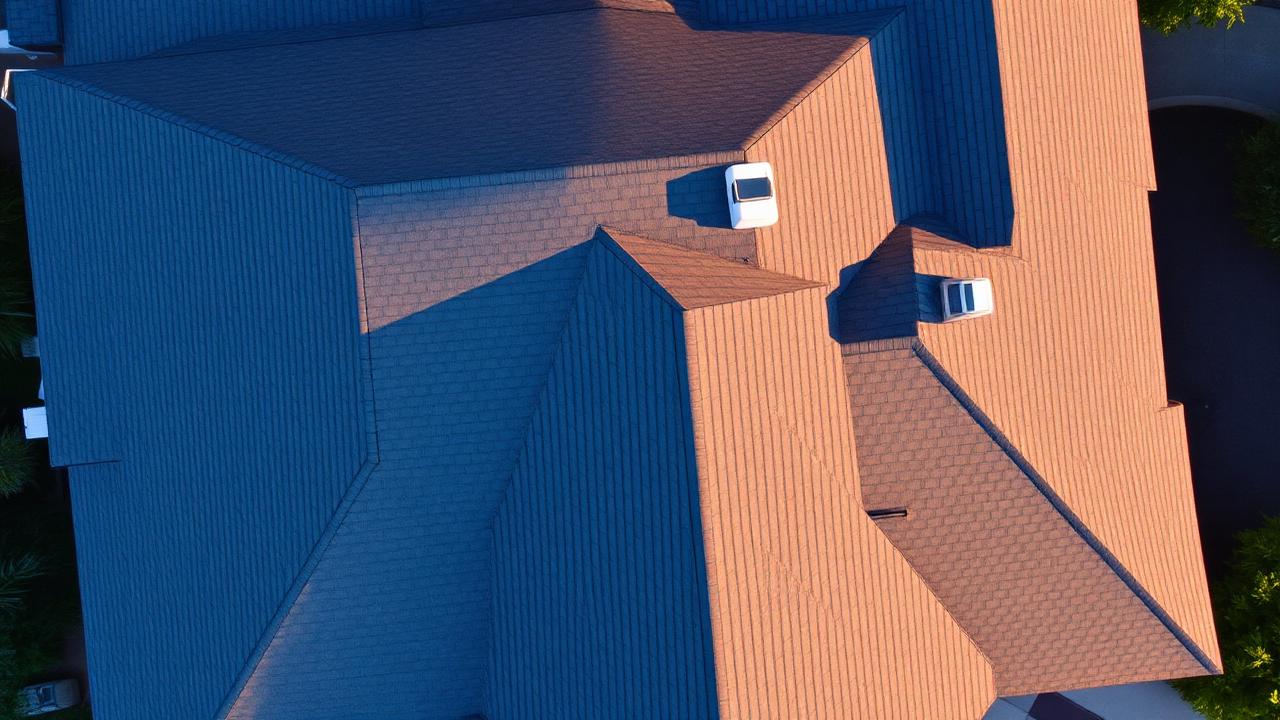
Gable and hip roofs generally perform better over time because they allow water to move quickly off the structure. Fewer intersections mean fewer opportunities for leaks. In contrast, complex rooflines with multiple slopes, dormers, and transitions often develop roof design problems as they age.
Each intersection requires flashing, and every flashing point is a potential failure location. Over time, thermal movement and weather exposure stress these areas far more than flat, uninterrupted roof planes.
Low-Slope Sections on Steep Roofs
One of the most common design-related issues occurs when low-slope sections are incorporated into otherwise steep roofs. These areas slow water runoff and increase the likelihood of pooling. Even when the correct materials are used, the roof experiences higher stress in these zones.
The Building Science Corporation has documented how slope transitions affect moisture behavior, particularly in regions with heavy rain or snow loads.
Roof valleys are among the most vulnerable areas of any roofing system. They act as channels that collect water from multiple slopes and direct it toward gutters. When designed properly, valleys function efficiently. When designed poorly, they become chronic problem areas.
Water Concentration and Accelerated Wear
Because valleys handle higher volumes of water, they experience faster material wear than surrounding areas. Shingles deteriorate sooner, sealants dry out faster, and flashing is under constant pressure.
Roof design problems emerge when valleys are too shallow, improperly aligned, or overloaded by roof geometry. Over time, even small design inefficiencies lead to repeated repairs.
Open vs. Closed Valley Designs
Closed valleys may look cleaner, but they can trap debris and slow drainage. Open valleys, while more visible, often provide better long-term performance when installed correctly. The issue arises when design aesthetics override practical water management.
Homeowners dealing with recurring leaks near valleys should have the entire drainage system evaluated, not just the damaged shingles.
Roof Penetrations: Small Features, Big Consequences

Every penetration through a roof surface creates a potential failure point. Vents, skylights, chimneys, and exhaust pipes all interrupt the protective barrier of the roofing system.
Older roof designs often included penetrations without accounting for long-term movement or maintenance. As homes settle and materials expand and contract, these areas become stress concentrators.
Why Older Penetration Layouts Fail
Many older homes have penetrations placed in high-flow water areas or near valleys. While this may have simplified construction at the time, it increases exposure to moisture.
According to guidance from the International Association of Certified Home Inspectors, improper penetration placement is a leading contributor to persistent leaks.
When Design Limitations Are Not Installation Mistakes
One of the most important distinctions homeowners can make is separating inherent roof design problems from poor workmanship. Not every leak means the roof was installed incorrectly.
Understanding Roof Design Constraints
Some roofs are built with limitations that no installer can fully eliminate. Tight valleys, excessive penetrations, and low slopes require ongoing maintenance regardless of installation quality.
This does not excuse poor workmanship, but it does change how problems should be addressed. Replacing shingles alone will not fix a design-related issue.
Identifying True Installation Errors
Installation mistakes typically show up early in a roof's lifespan. Missing flashing, improper fasteners, and incorrect underlayment placement often cause problems within the first few years.
In contrast, roof design problems usually appear gradually, worsening over time. Understanding this timeline helps homeowners pursue the right solution instead of blaming the wrong party.
Why These Issues Are Showing Up Now
Many homes built 15–30 years ago are reaching the point where long-term roof design weaknesses become unavoidable. Materials that once compensated for design flaws are now aging out.
Climate changes also play a role. Increased rainfall intensity, freeze-thaw cycles, and temperature extremes place additional stress on roofs that were never designed for today's conditions. The National Oceanic and Atmospheric Administration has documented shifts that directly impact residential roofing performance.
What Homeowners Can Do Today
While you can't change the original roof design, you can make smarter decisions moving forward. Targeted improvements, such as upgraded flashing systems, improved drainage, or material changes can significantly extend roof life.
A comprehensive inspection should evaluate the entire roofing system, not just visible damage. This approach allows professionals to address roof design problems proactively instead of reactively.
If you're dealing with recurring roof valleys and leaks, premature wear, or confusing repair recommendations, it's time to get a second opinion from experienced professionals who understand how design impacts performance.
When to Call a Professional
Roof issues tied to design require expertise beyond basic repairs. An experienced contractor can identify whether a problem stems from architecture, materials, or installation, and recommend solutions that actually last.
For homeowners looking for clarity instead of guesswork, Action Exteriors provides in-depth evaluations that focus on long-term performance, not temporary fixes.
If you're ready to understand what your roof is really telling you, schedule a consultation through the Contact Us page and get expert guidance tailored to your home.
How Roof Design Creates Long-Term Problems Homeowners Don't See Coming
Many homeowners assume roofing failures are sudden events caused by a single storm, a bad winter, or aging materials finally giving out. In reality, most serious roofing issues develop slowly and predictably, rooted in design decisions made long before the first leak appears. Roof geometry controls how water, snow, heat, and debris move across the surface of a home, and even small architectural compromises can quietly strain a roofing system for decades. By the time interior damage becomes visible, the roof has often been compensating for these weaknesses for years.
Roof design acts as the blueprint for performance. It determines where water accelerates, where it slows, where it pools, and where it pushes sideways under pressure. Unlike material defects or installation mistakes, which typically reveal themselves early, design-related problems compound gradually. New roofs can mask these issues because materials are flexible, sealants are intact, and flashing details are still resilient. As the roof ages, those buffers disappear, and the original roof design begins to assert itself.
Roof Geometry: The Hidden Traffic Map for Water and Stress
Every roof has a built-in traffic pattern that governs how moisture behaves. Simple roof shapes, such as gable or hip roofs, shed water efficiently because gravity works in a straightforward, predictable way. There are fewer intersections, fewer flashing details, and fewer locations where water can slow down or back up. These roofs tend to age more evenly and predictably.
Complex roof designs tell a very different story. Multiple slopes, dormers, intersecting roof planes, and decorative transitions create a network of drainage paths that concentrate water in specific locations. Each transition requires flashing, and every flashing point becomes a long-term stress location. As the roof expands and contracts with temperature changes, these areas experience repeated movement, which accelerates wear over time.
The problem is not that complex roofs are inherently "bad," but that they offer far less margin for error as the roof ages. A design that performs acceptably for ten or fifteen years can begin to fail rapidly once materials stiffen, sealants dry out, and debris accumulation becomes routine.
Why Low-Slope Sections Are Especially Vulnerable
One of the most common architectural compromises in residential roofing is the inclusion of low-slope sections within an otherwise steep roof. These areas are often added to accommodate interior layouts, aesthetics, or architectural features, but they fundamentally change how water behaves. On a steep slope, water sheds quickly. On a low slope, water slows down, spreads out, and lingers.
Even when the correct materials are used, low-slope sections experience greater moisture exposure and longer drying times. Over years of rain events, snow melt, and freeze-thaw cycles, these sections endure higher stress than surrounding roof planes. This is why roof valleys and leaks often originate at slope transitions rather than in the middle of large roof fields.
Homeowners are often surprised to learn that repeated repairs in the same low-slope area may not indicate poor workmanship at all, but rather a design limitation that requires enhanced materials, improved drainage, or a different detailing strategy to manage moisture effectively.
Roof Valleys: Where Water Pressure Meets Design Reality
Roof valleys are among the most critical and most misunderstood elements of roof design. Valleys collect runoff from multiple roof planes and funnel it toward gutters, handling significantly more water than any single slope. When valleys are well-designed and properly detailed, they can perform reliably for many years. When they are shallow, overloaded, or poorly aligned with drainage paths, they become chronic problem zones.
Because valleys experience higher water volume and velocity, materials in these areas age faster. Shingles wear down more quickly, metal flashing flexes repeatedly, and sealants dry out under constant exposure. Small inefficiencies that would be harmless elsewhere on the roof become amplified in valleys, leading to recurring roof valleys and leaks that seem impossible to permanently fix.
#### Open vs. Closed Valleys and Long-Term Performance
Valley design choices also influence how problems develop over time. Closed valleys may offer a cleaner appearance, but they can conceal debris buildup and slow drainage, especially in homes surrounded by trees. Open valleys, while more visible, often allow water to move more freely and make it easier to identify maintenance needs before damage occurs.
Issues arise when aesthetic preferences override practical water management. Homeowners experiencing repeated valley leaks should have the entire drainage system evaluated, rather than repeatedly replacing shingles at the failure point.
Roof Penetrations: Small Details with Outsized Consequences
Every roof penetration represents a permanent interruption in the protective barrier of the roofing system. Vents, chimneys, skylights, and exhaust pipes must remain watertight while accommodating decades of movement, temperature swings, and weather exposure. Older roof designs often placed penetrations for construction convenience rather than long-term durability.
Many older homes have penetrations located in high-flow water areas or near valleys, where runoff volume is greatest. While these placements may not cause immediate issues, they dramatically increase long-term exposure to moisture. As materials age and movement increases, these penetrations become focal points for leaks.
Persistent leaks around penetrations are frequently misdiagnosed as installation failures when the real issue is placement. Replacing flashing alone may provide temporary relief, but the underlying exposure remains unchanged.
Design Limitations vs. Installation Errors: Why the Difference Matters
One of the most important distinctions homeowners can make is understanding whether a roofing issue stems from a design limitation or an installation error. Installation mistakes typically reveal themselves early in a roof's life. Missing flashing, improper fasteners, or incorrect underlayment placement often cause problems within the first few years.
Design-related problems, by contrast, tend to emerge gradually. They worsen over time as materials lose flexibility and weather events become more demanding. Recognizing this difference helps homeowners avoid chasing temporary fixes and instead pursue solutions that address the real cause.
This distinction also changes expectations. Some roofs require ongoing maintenance and strategic upgrades because of their design. That reality does not excuse poor workmanship, but it does explain why certain problems persist despite repeated repairs.
Why These Problems Are Appearing Now
Many homes built fifteen to thirty years ago are reaching the point where long-term design weaknesses can no longer be masked by aging materials. Shingles that once compensated for poor drainage are nearing the end of their service life, and flashing details are experiencing fatigue.
At the same time, changing weather patterns are placing additional stress on roofs that were not designed for today's conditions. Heavier rainfall, more frequent freeze-thaw cycles, and wider temperature swings accelerate wear in already vulnerable areas, pushing design limitations into visible failures.
What Homeowners Can Do Moving Forward
While original roof design cannot be changed easily, homeowners can make smarter decisions during repairs and replacements. Targeted improvements, such as upgraded valley systems, enhanced flashing assemblies, improved drainage paths, and better material selection, can significantly extend roof life.
A comprehensive roof evaluation should look beyond surface damage and examine how the entire system manages water and movement. This approach allows professionals to address design-related stress points proactively, reducing the cycle of repeated repairs.
Final Perspective: Treating Roof Valleys and Leaks as Information, Not Just Damage
Recurring roof issues are rarely random. They are signals pointing to where a roof's design is under stress and where water is being encouraged to linger or concentrate. Homeowners who understand this can move from reactive repairs to strategic solutions.
The most durable roofs are not always the newest ones, but the ones where design limitations are recognized, respected, and reinforced. By addressing the architectural realities of a roof rather than fighting them, homeowners can protect their investment, reduce long-term costs, and finally put an end to recurring roofing problems.