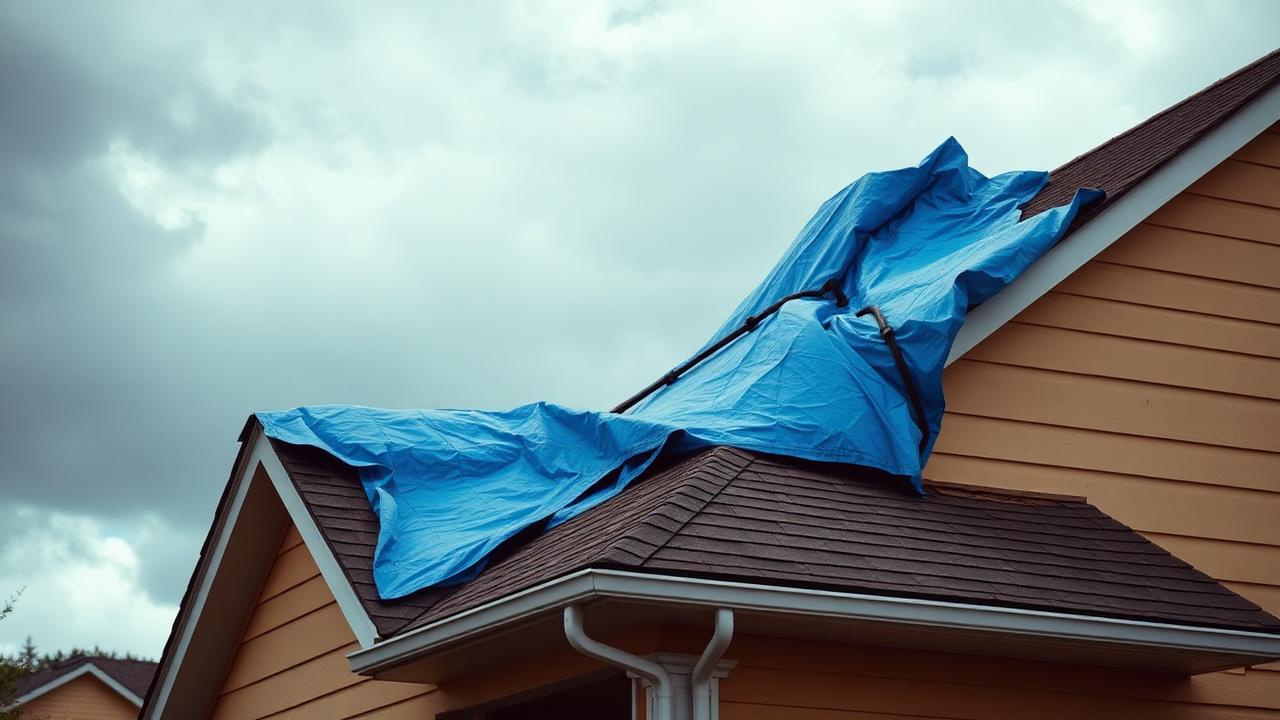
When a roofing emergency occurs, homeowners are often under stress and facing uncertainty. Water may be entering the home, materials may be loose, or recent weather may have caused visible damage. In these moments, understanding what an emergency roof response actually involves helps reduce fear and set realistic expectations.
An emergency roof response is not the same as a full repair or replacement. Its purpose is immediate protection. The goal is to stabilize the situation, prevent further damage, and reduce safety risks until permanent solutions can be planned properly.
This distinction is important. Emergency services are designed to buy time, not to finalize long term outcomes.

The Core Goal of an Emergency Roof Response
The primary goal of an emergency roof response is stabilization. This means stopping active damage from getting worse. When water is entering the home, the priority is to limit moisture exposure. When materials are loose or damaged, the priority is to reduce safety risks.
Emergency crews focus on protecting the structure and the people inside it. They are not there to diagnose every issue or provide final solutions. Their role is immediate risk control.
This approach aligns with guidance from the Federal Emergency Management Agency, which emphasizes stabilization and protection as the first response to structural emergencies.
Understanding this goal helps homeowners avoid disappointment or confusion during emergency visits. Emergency roof response is about containment, not completion.
What Emergency Crews Prioritize First
Emergency roofing crews follow a clear priority order. The first concern is safety. If any materials pose a risk of falling or further collapse, those risks are addressed immediately.
This may involve securing loose shingles, flashing, or temporary barriers to prevent debris from detaching during wind or rain.
Once safety is addressed, crews focus on active water intrusion. Water entering the home causes rapid damage. Even small leaks can spread moisture through insulation, framing, and interior surfaces.
Stopping or reducing water entry is a top priority. This often involves temporary coverings or diversion methods rather than permanent repairs.
Why Emergency Work Focuses on Temporary Protection
Emergency roof response occurs under less than ideal conditions. Weather may still be active. Materials may be wet or unstable. Full repairs require dry conditions, proper materials, and thorough evaluation.
Because of this, emergency crews use temporary measures designed to perform under short term stress. These measures protect the home until conditions allow for permanent work.
Temporary protection may include:
- •Water resistant coverings
- •Temporary sealing at entry points
- •Securing compromised materials
These actions reduce damage but do not resolve underlying issues.

Why Emergency Roof Response Is Not a Diagnosis
Homeowners often expect emergency crews to fully diagnose the roof problem during the response. While crews may identify obvious issues, comprehensive diagnosis is not the purpose of emergency service.
Emergency conditions limit visibility and access. Water paths may be hidden. Damage may extend beyond what is immediately visible.
A full evaluation typically occurs after stabilization, when conditions are safer and drier.
Why Emergency Roof Response Is Only the First Step in a Larger Process
An emergency roof response is designed to interrupt damage, not conclude the repair journey. This distinction matters because homeowners sometimes assume that once emergency work is complete, the issue has been resolved.
In reality, emergency response creates a controlled pause. It stops active harm and creates the conditions needed for accurate assessment. Without this pause, inspections and planning occur under pressure, which increases the risk of missed details and rushed decisions.
Roofing systems are layered and complex. Water intrusion paths may not be visible during active storms. Structural damage may be hidden beneath materials that cannot be safely accessed until conditions improve.
By separating emergency response from permanent repair, homeowners gain time to understand the full scope of the issue. This staged approach leads to better outcomes, fewer surprises, and more confidence in long-term decisions.

How Emergency Response Protects Interior Spaces
One of the most important benefits of an emergency roof response is interior protection. By limiting water entry, emergency measures reduce damage to ceilings, walls, insulation, and belongings.
Even partial protection can significantly reduce repair scope. Stopping additional moisture exposure preserves materials and slows deterioration.
According to the U.S. Environmental Protection Agency, reducing moisture exposure early is critical for preventing material breakdown and indoor air issues.
Why Emergency Response Timing Matters
Emergency roof response is most effective when performed quickly. The longer water or wind acts on a compromised roof, the greater the damage.
Rapid stabilization reduces escalation. It does not eliminate the need for permanent repair, but it limits how far the damage spreads.
This is why emergency services exist as a separate phase from planned roofing work.
Why Emergency Roof Response Often Looks Different Than Homeowners Expect
One of the most common sources of frustration during an emergency roof response is appearance. Homeowners may expect work that resembles a finished repair, only to see temporary materials that look unfamiliar or incomplete. This visual difference can feel unsettling, especially when stress is already high.
Emergency roof response prioritizes performance over aesthetics. Materials are selected for speed, flexibility, and short-term durability rather than visual consistency. Temporary coverings, exposed fasteners, or surface sealants may look out of place, but they are doing exactly what they are designed to do.
It is important to understand that emergency crews are working under constraints that do not exist during standard roofing projects. Surfaces may be wet. Weather may still be active. Structural stability may be uncertain. Under these conditions, the safest and most effective option is often a temporary solution.
This does not indicate lower quality or incomplete care. It reflects a different goal. Emergency roof response is about stopping escalation, not restoring appearance. Once homeowners understand this distinction, visual differences become easier to accept and less emotionally charged.

How Homeowners Should View Emergency Repairs
Emergency roof response should be viewed as a protective pause. It creates a window of safety where homeowners can make informed decisions without ongoing damage.
It is not the end of the process. It is the beginning of a controlled response.
At Action Exteriors, emergency response focuses on stabilization first, followed by clear communication about next steps once conditions allow.
Homeowners can request guidance or emergency assistance through the Action Exteriors contact page.
After an emergency roof response is completed, many homeowners feel a sense of relief. Immediate danger has been reduced and the home is protected from further damage. However, this stage also creates new questions. What has actually been fixed. What still needs attention. And what should happen next.
Understanding the limits of emergency roof response is just as important as understanding its purpose. Emergency work stabilizes a situation, but it does not restore the roof to full performance.
What Emergency Roof Response Does Not Solve
Emergency measures are not designed to address root causes. Temporary coverings do not correct underlying structural issues, material failures, or aging components.
Leaks may be diverted rather than eliminated. Damaged materials may be secured rather than replaced.
This means that while damage progression slows, vulnerabilities still exist.
Homeowners should not assume that emergency work resolves the issue permanently. It creates time for proper evaluation and planning.

Why Permanent Repairs Require Different Conditions
Permanent roofing repairs require dry surfaces, stable structures, and careful assessment. Emergency conditions often prevent this level of work.
Weather, safety concerns, and limited access all affect what can be done during an emergency response.
Once conditions improve, a full inspection can identify hidden damage and determine appropriate solutions.
One of the most challenging aspects of an emergency roof response for homeowners is the period immediately after stabilization. The roof is no longer actively failing, but it is also not fully repaired. This in between phase can feel uncertain, especially when temporary materials are visible and weather concerns remain. Understanding what is happening during this window helps homeowners stay grounded and avoid unnecessary worry.
After emergency roof response measures are in place, the home is protected from further immediate damage. Water intrusion is reduced or redirected, and safety risks are minimized. However, temporary solutions are designed to withstand limited exposure, not extended neglect. This means the roof is stable, but still vulnerable. The purpose of this phase is to create time for proper evaluation, not to signal that the problem is finished.
During this period, homeowners may notice that emergency materials look different from permanent roofing components. Temporary coverings, sealants, or fasteners may appear less refined. This is normal. Emergency roof response prioritizes function over appearance. These materials are selected because they can be installed quickly and perform under short term stress, even in less than ideal conditions.
It is also common for homeowners to feel heightened awareness during this stage. Every storm forecast, every sound, and every visual change may feel significant. This response is natural. The home has recently experienced vulnerability, and attention increases as a result. What matters is understanding that stabilization changes risk levels significantly. The roof is no longer in an emergency state, even though it still requires follow up work.
According to guidance from the U.S. Environmental Protection Agency, limiting ongoing moisture exposure is the most important step in preventing further material damage. Emergency roof response accomplishes this goal by stopping active intrusion and giving materials a chance to dry.
Homeowners should use this time to gather information rather than rush decisions. Scheduling a full inspection, reviewing findings, and understanding repair options leads to better long term outcomes. Emergency response creates the breathing room needed to make those decisions thoughtfully.
This waiting period is not a failure of the process. It is a designed step within it. Emergency roof response exists to protect the home immediately, not to force rapid commitments. When homeowners understand this role, anxiety decreases and confidence increases.
How Emergency Response Helps Limit Repair Scope
Even though emergency work is temporary, it plays a major role in limiting total repair needs.
By reducing continued exposure, emergency roof response helps preserve:
- •Interior finishes
- •Insulation performance
- •Structural materials
This preservation often lowers overall repair costs and complexity.
Why Emergency Roof Response Protects More Than Just the Roof
While emergency roof response focuses on the roof itself, its impact extends throughout the home. By stopping or redirecting water, emergency measures protect interior systems that are highly sensitive to moisture.
Ceilings, drywall, insulation, and electrical components all benefit from early stabilization. Even small reductions in moisture exposure can significantly reduce repair needs later.
Emergency roof response also protects structural elements indirectly. Wood framing and decking are designed to dry between exposure events. When water intrusion is stopped early, materials are far more likely to recover without permanent damage.
This is why emergency response often changes the final scope of work dramatically. Homes that receive timely stabilization frequently require fewer repairs than those where water was allowed to continue entering.

Why Communication After Emergency Response Matters
Clear communication after stabilization helps homeowners understand what was done and why.
Knowing which areas remain vulnerable prevents false confidence.
Professional guidance helps homeowners prioritize next steps logically rather than emotionally.
How Homeowners Should Plan After Emergency Service
After emergency roof response, homeowners should focus on evaluation and planning.
This includes scheduling a full inspection, reviewing findings, and discussing repair options.
Taking time to understand the scope of work leads to better decisions and fewer surprises.
Why Emergency Response Reduces Panic But Not Responsibility
Emergency services reduce immediate stress, but they do not eliminate the need for follow up.
Ignoring next steps after stabilization allows problems to return.
Understanding this balance helps homeowners stay proactive without feeling pressured.
Why Emotional Relief After Emergency Response Can Be Misleading
After an emergency roof response is completed, many homeowners experience a strong sense of relief. The active leak has stopped, materials are secured, and immediate danger feels resolved. While this emotional shift is completely natural, it can also be misleading if it leads to inaction.
Emergency stabilization reduces risk, but it does not restore the roof's original performance. Temporary measures are designed to hold, not to heal. When the sense of urgency fades, it becomes easier to postpone follow-up evaluation, especially if weather improves and interior symptoms disappear.
This emotional relief can create a false sense of closure. Because the home feels safe again, the remaining vulnerability becomes less visible. However, underlying issues such as compromised flashing, aging materials, or structural stress still exist until permanent repairs are completed.
Recognizing this emotional pattern helps homeowners stay proactive without feeling alarmed. Relief should signal that the emergency phase worked as intended, not that the process is finished. When homeowners treat stabilization as a checkpoint rather than a conclusion, they protect both their home and their peace of mind.
The Role of Professional Guidance in the Next Phase
Professional insight bridges the gap between emergency response and permanent repair.
At Action Exteriors, follow up evaluations focus on explaining conditions clearly and outlining realistic options.
Homeowners can continue the conversation or schedule next steps through the Action Exteriors contact page.
Why Understanding Expectations Leads to Better Outcomes
When homeowners understand what emergency roof response is meant to do and what it is not, outcomes improve.
Stabilization becomes a strategic step rather than a confusing one.
Clear expectations reduce frustration and support thoughtful planning.
Why Emergency Roof Response Should Be Seen as a Strategic Tool
Emergency roof response is often misunderstood as a sign that something has gone terribly wrong. In reality, it is a protective tool designed to limit damage and preserve options.
Homes that receive timely emergency stabilization are not worse off. They are often better positioned to manage repairs calmly and cost-effectively.
When homeowners understand emergency response as a strategic step rather than a failure point, stress decreases and confidence increases. The roof is no longer actively harming the home, and the path forward becomes clearer.
Final Thoughts
Emergency roof response exists to protect homes during moments of vulnerability. It prioritizes safety, stabilization, and damage control.
It does not replace permanent repair, but it makes that repair more manageable.
By understanding goals, priorities, and limitations, homeowners can navigate roofing emergencies with clarity instead of panic.