Roof problems rarely start with obvious damage. Most serious roofing failures begin quietly, with subtle warning signs that homeowners do not recognize as urgent. These early issues often appear harmless, cosmetic, or temporary, which leads many people to delay action until the problem becomes severe.
Understanding why early roof damage goes unnoticed is essential for protecting your home. In many cases, the delay has nothing to do with money, contractor availability, or willingness to fix the issue. Instead, the root cause is perception.
This article explains how visual familiarity, common assumptions, and everyday psychology cause roof problems homeowners ignore to worsen over time.

Why Early Roof Problems Do Not Look Serious to Homeowners
When most homeowners think about roof damage, they imagine dramatic warning signs. Water pouring through the ceiling. Shingles scattered across the yard. Large stains spreading across walls.
The reality is far different.
Most roofing systems fail slowly. Damage often begins beneath the surface or develops gradually enough that it blends into the background of daily life.
Gradual Changes Are Easy to Dismiss
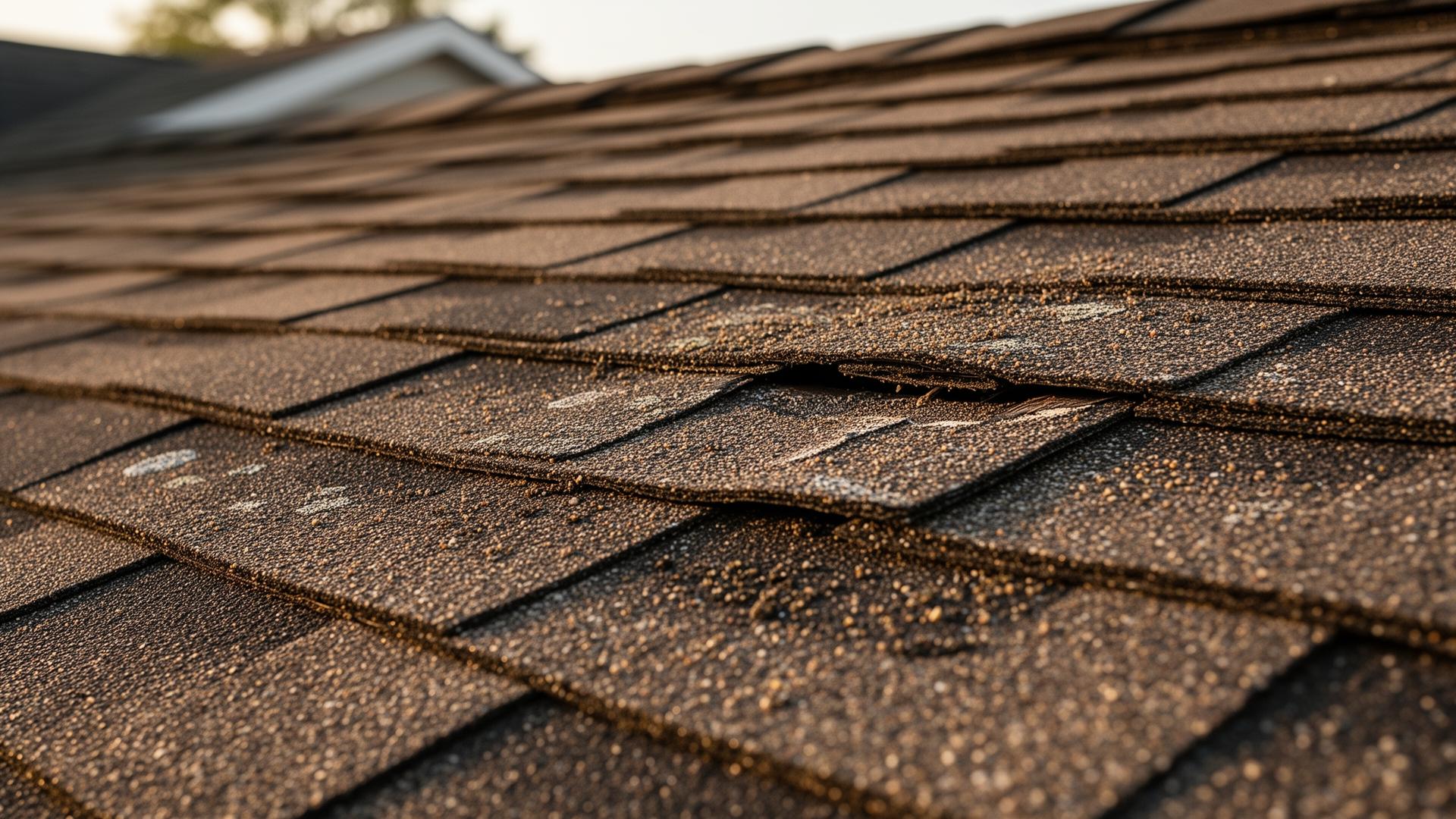
One of the main reasons early roof damage is overlooked is that it develops slowly. Shingles lose granules over time. Materials dry out. Sealants weaken. None of these changes happen overnight.
Because the roof still looks functional from the ground, homeowners assume it is still doing its job. The slow pace of deterioration makes problems feel less real and less urgent.
- •Shingles fade gradually and seem cosmetic
- •Edges curl slightly without appearing broken
- •Small cracks form but remain hidden from view
These small changes do not trigger alarm because they do not interrupt daily routines.
Visual Familiarity Creates False Confidence
Homeowners see their roof every day, even if only subconsciously. Over time, familiarity builds trust. When the roof looks the same as it did last year, the brain assumes it is still healthy.
This visual familiarity can be misleading. As conditions worsen slowly, expectations adjust without the homeowner realizing it. What once might have looked concerning now appears normal.
This psychological effect makes early roof damage feel less threatening than it actually is.
Early Roof Damage Rarely Causes Immediate Discomfort
Another reason roof problems homeowners ignore is the lack of immediate consequences. Early roof damage usually does not cause visible leaks, temperature changes, or interior damage.
Without discomfort or inconvenience, there is little motivation to investigate further. Humans are wired to respond to problems that affect comfort, safety, or routine.
When a roof issue does none of those things, it is easy to assume it can wait.
Common Assumptions Homeowners Make About Aging Roofs
Many homeowners rely on assumptions rather than evidence when evaluating their roof. These beliefs often feel logical, but they can be costly over time.

If There Is No Leak, There Is No Problem
This is one of the most common and damaging misconceptions about roofing.
Roofs are layered systems. Water can penetrate outer materials and remain trapped in decking, insulation, or structural components long before it becomes visible inside the home.
By the time a homeowner sees water stains or dripping, damage has usually spread far beyond the original entry point.
The Roof Is Not Old Enough to Worry About
Age alone is a poor indicator of roof health.
Weather exposure, ventilation quality, installation methods, and material type all affect how quickly a roof deteriorates. A roof that is only ten years old can be in worse condition than one that is twenty years old if it was poorly installed or heavily exposed.
Assuming a roof is safe simply because it has not reached a certain age leads many homeowners to ignore early warning signs.
Wear and Tear Is Always Harmless
While all roofs age, not all wear is equal.
Granule loss, soft spots, and curling shingles are not just cosmetic concerns. They indicate that protective layers are weakening and that moisture resistance is declining.
Once these defenses are compromised, damage accelerates rapidly.
Why Perception Causes More Delays Than Cost or Access

It is easy to assume homeowners delay roof repairs because they are expensive or inconvenient. In reality, perception is often the biggest barrier.
Roof Issues Are Seen as Future Problems
When damage is not obvious, homeowners mentally categorize it as something to address later. The roof becomes a background concern rather than a priority.
Unfortunately, roofing problems do not pause while waiting for the right time.
Uncertainty Feels Safer Than Confirmation
Many homeowners avoid inspections because inspections remove uncertainty.
As long as damage is unconfirmed, there is no obligation to act. This avoidance is not denial. It is a natural response to discomfort and fear of bad news.
The Long Term Cost of Misjudging Early Roof Damage
Small roofing issues rarely stay small.
Moisture spreads. Wood weakens. Insulation loses effectiveness. Mold can develop silently.
What could have been a minor repair often becomes a major structural project simply because early signs were ignored.
Early Awareness Preserves Options
Homeowners who recognize early roof damage have more control.
- •They can plan repairs instead of reacting to emergencies
- •They can prevent interior damage
- •They can extend the life of the roof
- •They can reduce long term costs
Understanding how perception influences roofing decisions is the first step toward protecting your home and avoiding unnecessary stress.
Why Homeowners Ignore Early Roof Damage Until It Turns Into a Major Repair
Most homeowners do not intentionally ignore roof problems. In fact, many people believe they are paying attention and would act quickly if something was truly wrong. The issue is that early roof damage rarely looks or feels urgent. Because of this, small problems often remain unaddressed until they grow into expensive repairs.
To understand why roof problems homeowners ignore are so common, it helps to look beyond construction materials and focus on human behavior. Roofing issues are delayed not because homeowners do not care, but because early warning signs are subtle, confusing, and easy to rationalize.
The Psychological Reasons Early Roof Damage Gets Overlooked
Homeownership involves constant decision making. Homeowners are always prioritizing which projects deserve immediate attention and which ones can wait. When a roof is not actively leaking or causing visible damage, it naturally falls lower on the list.
Roofs Operate Quietly and Create False Confidence

Unlike appliances or plumbing systems, a roof does its job silently. There are no noises, alerts, or performance indicators to signal declining condition.
When something works quietly for years, homeowners assume it will continue working the same way tomorrow. This quiet reliability creates confidence, even when protective materials are slowly deteriorating beneath the surface.
As a result, early roof damage progresses without triggering concern.
Slow Deterioration Does Not Feel Like a Threat
Human attention is naturally drawn to sudden changes. Gradual deterioration rarely feels dangerous because each individual change seems insignificant.
A small crack in a shingle does not feel urgent. Slight granule loss does not look alarming. A faint discoloration appears cosmetic. When viewed individually, none of these signs seem worth immediate action.
Over time, these minor issues combine into serious structural vulnerabilities.
How Familiarity Causes Roof Problems to Be Dismissed
Familiarity plays a major role in why homeowners underestimate roofing issues. Seeing the same roof every day creates a sense of normalcy that masks gradual decline.
Visual Changes Become the New Normal
As a roof ages, its appearance changes slowly. Shingles lose color. Surfaces darken. Edges curl slightly. Because these changes happen over years, homeowners adjust their expectations without realizing it.
What once might have looked concerning now feels ordinary. This mental adjustment makes early roof damage difficult to recognize, even when it is visible.
Exterior Damage Feels Less Urgent Than Interior Damage
Homeowners respond quickly to problems they can see and feel inside the home. Stained ceilings, dripping water, or damp drywall demand attention.
Roof damage that remains confined to exterior layers or attic spaces feels distant and abstract. Without interior symptoms, the problem feels hypothetical rather than real.
This disconnect causes many roof problems homeowners ignore to progress unchecked.
Why Homeowners Believe They Have More Time Than They Do
A common belief about early roof damage is that it progresses slowly and predictably. Many homeowners assume they will have plenty of warning before serious damage occurs.
Roof Systems Fail Gradually Until They Do Not
While deterioration begins slowly, failure often accelerates suddenly. Once water penetrates protective layers, damage spreads quickly through decking, insulation, and framing.
At this stage, repairs become more complex and costly.
Weather Exploits Existing Weaknesses
Sun exposure dries out materials. Wind lifts weakened shingles. Rain finds new entry points. Temperature changes cause expansion and contraction.
Each weather event compounds existing weaknesses. What seemed stable during mild conditions may fail during a single severe storm.
Common Rationalizations That Delay Roof Repairs
Homeowners often use logical sounding explanations to justify delaying action. These rationalizations reduce anxiety in the short term but increase risk over time.
The Roof Passed the Last Storm
Surviving a storm does not mean a roof is healthy. It only means it has not failed yet.
A compromised roof can survive multiple weather events before finally giving way.
The Damage Looks Minor
Surface level damage often hides deeper issues. A single lifted shingle can expose large areas to moisture intrusion beneath the surface.
What looks small from the ground may represent a much larger vulnerability.
Repairs Can Wait Until a More Convenient Time
Many homeowners plan to address roof issues later, often during a different season or when life feels less busy.
Unfortunately, roofing damage does not pause for convenience. Waiting increases the chance of emergency repairs.
Why Fear and Uncertainty Drive Avoidance
Roofing decisions can feel overwhelming, especially when homeowners are unsure what they will discover.
Fear of Unexpected Costs
Some homeowners avoid inspections because they worry about uncovering expensive problems.
Ironically, avoiding early inspections often leads to higher costs later when damage has spread.
Fear of Being Pressured Into Replacement
Many homeowners worry that any inspection will lead to a recommendation for full replacement.
This fear causes some people to delay inspections entirely, even when minor repairs could extend the life of the roof.

How Early Inspections Change the Entire Outcome
Early inspections turn uncertainty into clarity.
Information Restores Control
Knowing the condition of a roof allows homeowners to make informed decisions on their own terms.
Planned repairs are almost always less stressful and less expensive than emergency repairs.
Small Repairs Prevent Larger Damage
Addressing early roof damage protects insulation, structural framing, and interior finishes.
It also preserves the long term value of the home.
Reframing How Homeowners Think About Roof Maintenance
Roof maintenance should be preventative, not reactive.
Recognizing early roof damage does not mean assuming the worst. It means staying informed and proactive.
When homeowners understand why perception delays action, they can avoid common mistakes and protect their homes more effectively.