Metal Roofing Installation
A Metal Roof Built to Last 50+ Years
Standing seam metal roofs that stand up to summer heat and severe storms, installed by roofers who get every seam, panel and flashing detail right.
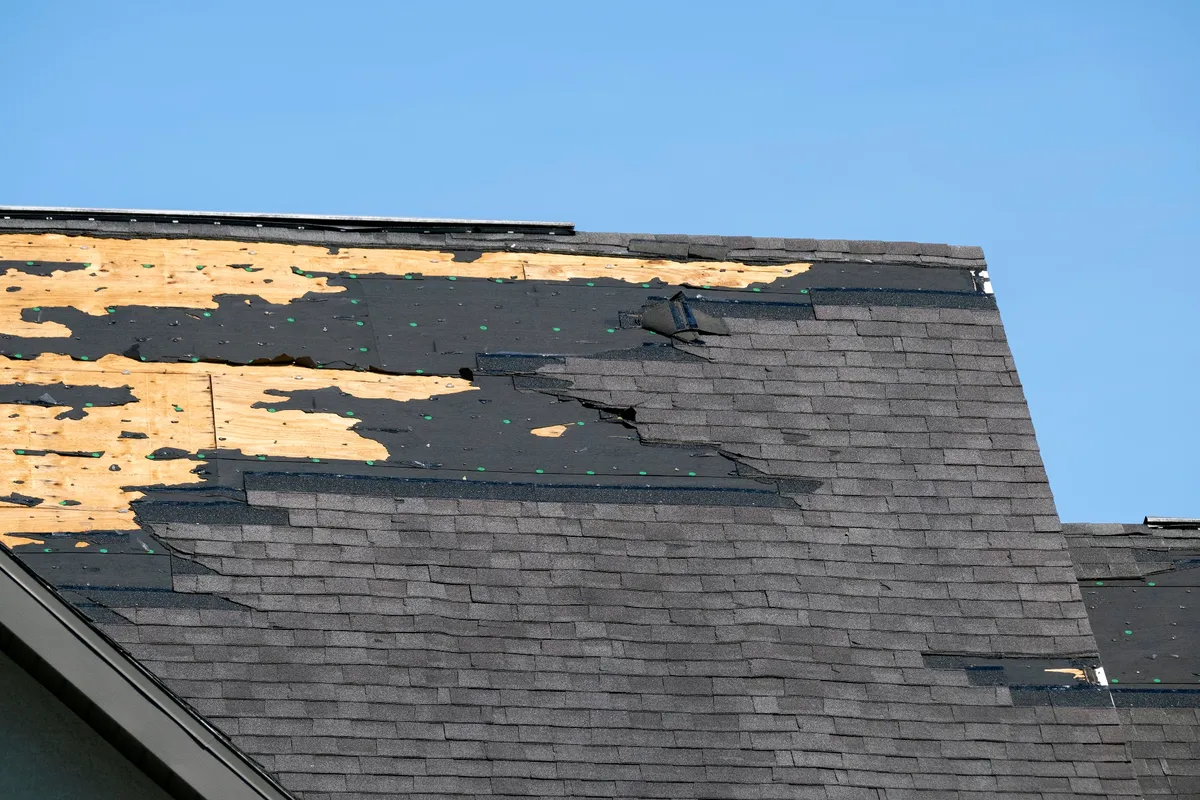
Replacing Shingles Every 20 Years Adds Up
Asphalt shingles are affordable, but they wear out. Sun, hail and wind strip away their granules, and most shingle roofs need replacing every 20 to 30 years. In hot, stormy climates that cycle can come even sooner. If you plan to stay in your home, you could pay for two or three shingle roofs in the time one metal roof lasts.
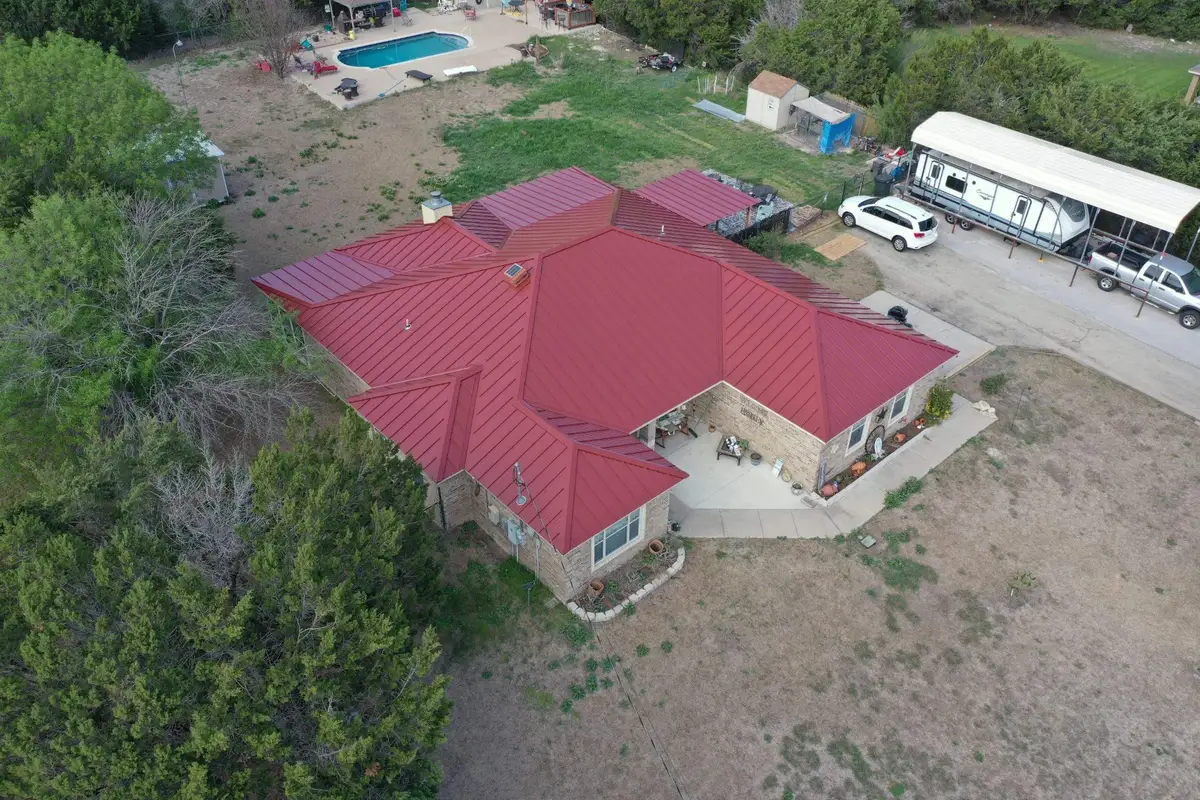
Standing Seam Metal, Installed Right
A metal roof is only as good as its installation. We tear off your old roof, inspect and repair the decking, and install underlayment, flashing and panels to the manufacturer's specifications. Standing seam panels hide their fasteners under raised seams, so there are fewer places for water to get in. You get a roof that reflects summer heat, stands up to severe weather and can last 50 years or longer.
Is a Metal Roof Right for Your Home?
You Plan to Stay Long-Term
Metal can last 50 years or longer, so it pays off best when you'll be in your home for years to come.
Your Shingle Roof Is Near Its End
If your asphalt roof is 20 years old or needs frequent repairs, it's a natural time to consider switching to metal.
High Summer Cooling Bills
Metal reflects more of the sun's heat than dark shingles, which can help keep your attic and upstairs cooler.
Storms Hit Your Area Hard
Interlocking metal panels resist high winds and don't shed granules the way shingles do after a storm.
You Want Less Maintenance
No curling, cracking or missing shingles to replace. A metal roof mostly needs an occasional check of its seams and flashing.
You Want a Clean, Modern Look
Crisp standing seam lines and a wide range of colors add curb appeal to traditional and modern homes alike.
How We Do It
Inspect & Measure
A free inspection of your roof and decking, plus precise measurements for your metal panels.
Choose Panel & Color
We walk you through panel styles, metal gauges and colors that fit your home, budget and climate.
Tear-Off & Install
We remove the old roof, repair any damaged decking, then install underlayment, flashing and metal panels.
Cleanup & Walkthrough
A magnetic nail sweep, full cleanup, and a final walkthrough with you.
Metal Roof Cost
Most metal roofs cost $800 to $2,200 per square (100 sq ft) installed. A typical home has 20 to 30 squares, so a full metal roof usually runs about $16,000 to $66,000. Metal costs more up front than shingles but can last 50 years or longer. Your free inspection gives you an exact price for your home.
| Metal roofing, installed | $800–$2,200 per square |
|---|---|
| Typical home (20–30 squares) | $16,000–$66,000 |
| Architectural shingles, for comparison | $400–$850 per square |
Typical ranges. Standing seam panels, heavier-gauge metal, steep pitches and complex rooflines cost more. Tearing off the old roof and replacing any rotted decking add to the total.
What's Included in Every Metal Roof
- A free inspection with photos and a written report
- Full tear-off down to the deck, never a layover
- Decking inspected, with any rotted boards replaced
- Underlayment, flashing, trim and ridge caps installed to manufacturer spec
- Metal panels measured and fitted to your roof
- Magnetic nail sweep, full cleanup and a final walkthrough
The Pro's Guide to Metal Roofing
Standing Seam Metal Roof vs. Exposed-Fastener Panels
Metal roofs come in two main types. Exposed-fastener panels, often called corrugated or R-panel, are screwed straight through the face of the metal. They cost less, but the rubber washers on those screws break down in the sun, and the screws need checking and re-tightening over the years. That's why they're common on barns, shops and carports. Standing seam panels lock together at raised seams with the fasteners hidden underneath, and they're designed to let the metal expand and contract with the heat. They cost more, but they keep water out with far less upkeep. For most homes, standing seam is the better long-term choice.
Metal Roof Installation: What to Expect
A metal roof installation starts the same way a shingle replacement does. We protect your landscaping, tear the old roof off down to the deck, and replace any soft or rotted boards. Next comes underlayment across the whole roof, then drip edge, trim and flashing around chimneys, vents and valleys. The metal panels go on last, each one measured and fitted to your roof, followed by the ridge cap and ventilation. Flashing and trim details are where metal roofs succeed or fail, so we take our time there. We finish with a magnetic nail sweep, full cleanup and a walkthrough with you.
Metal Roofing vs. Shingles: Cost Over Time
Metal costs about twice as much as shingles up front: roughly $800 to $2,200 per square installed, compared with $400 to $850 for architectural shingles. The difference is how long each lasts. Shingles typically need replacing every 20 to 30 years, while a metal roof can last 50 years or longer. Over 50 years, that's usually two shingle roofs, each with its own tear-off, against one metal roof. If you plan to sell in a few years, shingles often make more sense. If this is your long-term home, metal often costs less over the time you own it.
Compare every roofing material in the cost guide →How to Choose a Metal Roofing Contractor
Metal is less forgiving than shingles, so the contractor matters as much as the material. Ask how many metal roofs they install each year and ask to see photos of finished metal jobs, not just shingle work. Ask what panel profile and metal gauge they're quoting, what underlayment goes underneath, and how they handle flashing around chimneys and valleys. Get a written estimate that spells out tear-off, decking repairs and cleanup, and get the warranty in writing. A good metal roofing contractor will answer every one of those questions without hesitation.
Read our guide to metal roofing contractors →Common Questions
Most metal roofs cost $800 to $2,200 per square (100 sq ft) installed. A typical home has 20 to 30 squares, so a full metal roof usually runs about $16,000 to $66,000. Panel style, metal gauge, roof pitch and tear-off all affect the price. A free inspection gives you an exact number.
Usually, yes, if you plan to stay in your home. A quality metal roof can last 50 years or longer, about two to three times as long as asphalt shingles. It needs little maintenance and reflects summer heat, so over the years you own your home it often costs less than replacing shingles twice.
A standing seam roof uses long metal panels joined by raised seams that run from the ridge down to the eave. The fasteners are hidden under the seams instead of screwed through the face of the panel, so there are fewer places for water to get in and less upkeep over the years.
A well-installed metal roof typically lasts 50 to 70 years, two to three times as long as architectural shingles. Its lifespan depends on the panel type, the coating and the quality of the installation, which is why the flashing, underlayment and fastening details matter as much as the metal itself.
No. A metal roof installed over solid decking and underlayment is about as quiet as a shingle roof. The drumming sound people imagine comes from metal over open framing, like a barn or carport. Most homeowners can't tell the difference from inside, especially with an insulated attic.
It can. Metal reflects more of the sun's heat than dark asphalt shingles, especially in lighter colors or with a reflective coating, so less heat reaches your attic. That helps most in hot climates. Your actual savings depend on the roof color, your insulation and your attic ventilation.
No. A metal roof doesn't make your home more likely to be struck. Lightning hits the tallest object in an area, whatever it's made of. Metal is also noncombustible, so if lightning does strike nearby, a metal roof won't catch fire the way some other roofing materials can.
Ready to Protect Your Home?
No obligation. Free inspection within 24 hours.
Schedule My Free Inspection →