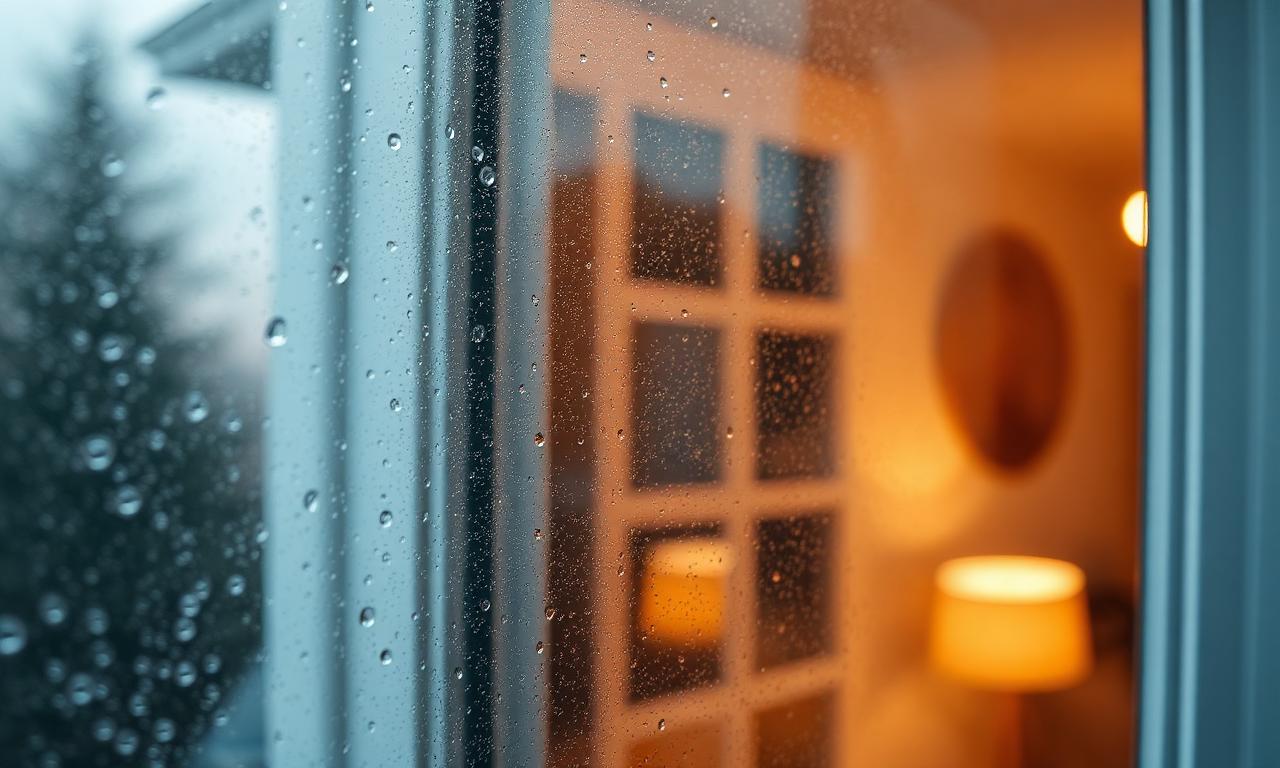
Window condensation is one of the most misunderstood issues homeowners encounter. Moisture on glass often triggers concern about leaks, poor installation, or failing windows. In many cases, however, condensation is not a sign of failure at all. It is a reaction to changes inside the home.
Because condensation appears suddenly and looks alarming, homeowners often assume something is wrong. This assumption creates anxiety and frustration, even when the cause is temporary or seasonal. Understanding window condensation begins with separating appearance from cause.

Why Condensation Creates Immediate Concern
Water where it does not belong naturally raises alarms. When homeowners see moisture forming on their windows, the reaction is often emotional rather than analytical.
Common thoughts include:
- •Is the window leaking?
- •Did something fail?
- •Will this cause damage?
This response is understandable. Condensation looks similar to water intrusion, even though the source is often completely different.
Window condensation becomes confusing because it behaves inconsistently. It may appear only at certain times of day or during specific seasons, then disappear without intervention.
What Condensation Actually Is
Condensation forms when warm, moist air comes into contact with a cooler surface. The air releases moisture as it cools, and that moisture collects as water droplets.
Windows are common condensation surfaces because glass reacts quickly to temperature changes. When indoor air holds more moisture than the glass can accommodate, condensation appears.
This process does not automatically indicate a problem with the window itself. It reflects conditions inside the home interacting with outdoor temperatures.

Different Types of Window Condensation
One reason window condensation is misunderstood is that it can appear in different locations. Each type has a different cause.
Condensation on the Interior Glass Surface
This is the most common form homeowners notice. Moisture forms on the inside of the glass, especially during colder months.
Interior condensation is typically related to indoor humidity levels. Activities such as cooking, showering, and even breathing add moisture to the air.
When that moisture meets a cold window surface, condensation forms.
Condensation Between Glass Panes
Condensation that appears between panes of glass is less common and often more concerning. This usually indicates a seal failure within the window unit.
While this type of condensation does suggest a window performance issue, it represents a small portion of condensation complaints overall.
Condensation on the Exterior Glass Surface
In some cases, condensation forms on the outside of windows. This often occurs in the morning during warm seasons.
Exterior condensation usually indicates that the window is insulating well. The outside glass surface remains cool, causing moisture from the outdoor air to condense.
Although surprising, this type of window condensation is generally harmless.
Why Interior Humidity Plays a Bigger Role Than Expected
Many homeowners underestimate how much moisture exists inside their home. Everyday activities contribute to humidity levels without obvious signs.
Sources of indoor moisture include:
- •Cooking and boiling water
- •Showers and baths
- •Laundry drying indoors
- •Houseplants
When windows are cooler than the surrounding air, condensation becomes visible. The window simply reveals a condition that already exists.
According to the U.S. Department of Energy, managing indoor humidity is essential for comfort and moisture control.
Seasonal Patterns That Influence Condensation
Window condensation often follows predictable seasonal patterns. Understanding these patterns helps homeowners interpret what they are seeing.
Cold Weather Condensation
During colder months, indoor air tends to be warmer and more humid than outdoor air. Windows cool quickly, making condensation more likely.
This is why condensation often appears overnight or in the early morning.

Transitional Seasons
In spring and fall, temperature swings can create temporary condensation conditions. These periods often confuse homeowners because condensation appears sporadically.
Warm Weather Condensation
Exterior condensation is more common in warm, humid conditions. While unexpected, it usually reflects good window performance rather than failure.
Why Condensation Is Often Blamed on Windows
Windows are visible and accessible, making them easy targets for blame. When moisture appears, the window is the most obvious surface involved.
However, condensation is a symptom, not always a cause. It reflects air temperature, humidity, and surface conditions working together.
Blaming the window alone overlooks the broader environment of the home.
How Misunderstanding Leads to Frustration
When homeowners believe window condensation means failure, frustration builds. They may feel misled or concerned about unnecessary repairs.
This misunderstanding can lead to:
- •Unnecessary worry
- •Premature replacement considerations
- •Ongoing dissatisfaction with the home
Clear information reduces this frustration and helps homeowners respond appropriately.
Why Condensation Feels Inconsistent
One of the most confusing aspects of window condensation is its inconsistency. It may appear one day and disappear the next.
This inconsistency reflects changing conditions:
- •Temperature shifts
- •Humidity changes
- •Ventilation patterns
Understanding this variability helps homeowners recognize that condensation is often temporary rather than progressive.
How Awareness Begins to Replace Concern
As homeowners learn more about window condensation, concern often gives way to understanding. Recognizing patterns reduces anxiety.
Instead of asking what is wrong, homeowners begin asking what conditions are present.
At Action Exteriors, conversations about condensation often focus on education rather than blame.
Why Understanding Matters More Than Immediate Action
Not all condensation requires immediate intervention. Knowing when condensation is normal allows homeowners to avoid unnecessary stress.
Understanding window condensation helps homeowners respond calmly and appropriately rather than reactively.
How Homeowners Learn to Interpret Window Condensation Over Time
Once homeowners understand that window condensation is often related to air conditions rather than window failure, the way they respond begins to change. Instead of reacting with concern, they start noticing patterns. These patterns provide context and reassurance.
This shift from worry to observation is gradual. It happens as homeowners gain familiarity with how their home behaves across seasons.
Why Patterns Matter More Than Isolated Events
One of the most important lessons about window condensation is that single occurrences rarely tell the full story. Condensation that appears once does not automatically indicate a problem.
Homeowners who learn to watch for patterns often notice:
- •Condensation appearing only during cold mornings
- •Moisture forming after showers or cooking
- •Disappearing as the day warms
These patterns point toward humidity and temperature interactions rather than window defects.
Seasonal Awareness Reduces Unnecessary Worry
Understanding how window condensation changes with the seasons helps homeowners put what they see into perspective.
Winter Condensation
During winter, indoor air is often warmer and more humid than the outdoor environment. Windows cool quickly, making condensation more visible.
This seasonal behavior is common and usually temporary.
Spring and Fall Transitions
Transitional seasons bring fluctuating temperatures. Window condensation may appear one day and disappear the next.
This inconsistency can be confusing, but it reflects changing conditions rather than deterioration.
Summer Morning Condensation
Exterior window condensation during humid summer mornings often surprises homeowners. While unexpected, it typically indicates effective insulation rather than a problem.
The U.S. Department of Energy explains how seasonal temperature differences affect condensation patterns.
Why Interior Humidity Is Often the Missing Piece
Many homeowners focus on the window itself without considering interior humidity. However, indoor moisture levels play a central role in window condensation.
Homes naturally produce moisture throughout the day. Activities such as cooking, bathing, and laundry increase humidity.
When ventilation is limited or outdoor temperatures are low, moisture becomes visible on cooler surfaces.
- •Condensation after long showers
- •Moisture near kitchens
- •Fogging during overnight temperature drops
Recognizing this connection helps homeowners view condensation as a signal rather than a failure.
Why Condensation Often Appears More in Certain Rooms
Window condensation is rarely evenly distributed throughout a home. Some rooms experience it more often than others.
This variation often relates to how the space is used:
- •Bathrooms with frequent steam
- •Kitchens with regular cooking
- •Bedrooms where doors remain closed overnight
Understanding room specific patterns reduces concern and helps homeowners identify contributing factors.
When Condensation Is Normal and When It Deserves Attention
One of the most important distinctions homeowners learn is when window condensation is normal and when it may signal a concern.
Condensation is often normal when:
- •It appears only on interior glass
- •It occurs during cold or transitional seasons
- •It disappears as conditions change
Condensation may deserve attention when:
- •It persists between glass panes
- •It remains regardless of seasonal changes
- •It is accompanied by visible damage
This distinction allows homeowners to respond thoughtfully rather than reactively.

Why Blame Is Rarely Helpful
Blaming windows for condensation often oversimplifies a complex interaction between air, temperature, and moisture.
Condensation does not usually indicate poor quality or failure. It reflects how the home environment functions as a whole.
Approaching window condensation as a shared environmental condition reduces frustration and promotes understanding.
How Homeowners Gain Confidence Over Time
As homeowners observe patterns and learn what is normal for their home, confidence replaces uncertainty.
They begin to anticipate condensation rather than fear it. This confidence reduces stress and supports more informed decisions.
According to the Centers for Disease Control and Prevention, understanding indoor environmental factors improves comfort and reduces anxiety.
Why Education Prevents Unnecessary Decisions
Misunderstanding window condensation can lead homeowners to consider solutions that are not needed.
Education helps homeowners avoid premature conclusions and focus on appropriate responses.
At Action Exteriors, discussions about condensation prioritize clarity and reassurance over blame.
Questions about condensation patterns or concerns can be discussed through the Action Exteriors contact page.
Why Patience Often Resolves Confusion
Many window condensation concerns resolve naturally as conditions change. Patience allows homeowners to observe rather than assume.
This measured approach prevents unnecessary stress and fosters confidence in the home.
How Understanding Restores Peace of Mind
Once homeowners understand window condensation, the emotional response shifts. Moisture becomes information rather than a warning.
This understanding restores peace of mind and allows homeowners to trust their living environment.
How Window Condensation Quietly Shapes How Homeowners Feel About Their Home
One of the most overlooked effects of window condensation is not physical at all. It is emotional. While moisture on glass may seem like a small or temporary issue, the uncertainty it creates can quietly change how homeowners feel about their home over time.
Condensation introduces doubt. When homeowners do not understand why it is happening, they begin to question whether something is wrong beneath the surface. Even when no damage occurs, the presence of moisture creates a sense that the home is unpredictable.
This uncertainty is what often causes window condensation to feel more disruptive than it actually is.
Why Unexplained Moisture Creates Discomfort Beyond the Glass
Moisture on windows does not just affect visibility. It affects confidence. Homeowners may begin to wonder whether their home is properly protected, even if no other issues are present.
Because condensation appears and disappears without obvious cause, it creates a pattern that feels unreliable. One day the windows are clear. The next day they are fogged. This inconsistency triggers concern, even when the underlying cause is harmless.
The home may still function normally, but it no longer feels fully predictable.
How Condensation Influences Daily Awareness
Before understanding window condensation, homeowners often become hyper-aware of their windows. They check them frequently, especially during certain seasons or times of day.
This awareness may include:
- •Inspecting windows each morning
- •Noticing moisture immediately after showers or cooking
- •Watching weather changes more closely
These behaviors are subtle, but they represent a shift from ease to vigilance. The windows begin to demand attention rather than fading into the background.
The Mental Load of Not Knowing Whether Something Is Wrong
When homeowners do not understand window condensation, the uncertainty itself becomes stressful. They may search for answers online, ask friends, or compare experiences with neighbors.
Conflicting information often makes things worse. Some sources suggest condensation is normal. Others imply it signals failure. Without clear context, homeowners are left unsure which advice applies to them.
This ambiguity can linger for months or even years.
Why Understanding Changes the Emotional Response
Once homeowners understand what condensation is and why it happens, their emotional response changes dramatically.
Moisture on glass stops feeling like a warning sign and starts feeling like information. Instead of asking, "What's wrong?" homeowners begin asking, "What conditions caused this?"
This shift replaces fear with curiosity and restores a sense of control.
How Knowledge Restores Trust in the Home
Trust is a critical but often invisible part of comfort. When homeowners trust their home, they relax. When trust erodes, even small issues feel amplified.
Understanding window condensation helps rebuild that trust. Homeowners realize that their windows are not failing. They are responding exactly as physics predicts under certain conditions.
This realization allows the home to feel reliable again.
Why Patterns Feel Reassuring Once They Are Recognized
Patterns are comforting. When homeowners recognize that condensation appears only during cold mornings, after long showers, or during seasonal transitions, the behavior feels predictable.
Predictability reduces anxiety. Even when condensation appears, it no longer feels alarming because it fits an understood pattern.
This predictability is one of the most powerful outcomes of education.
The Difference Between Monitoring and Worrying
Understanding window condensation does not mean ignoring it entirely. Instead, it changes how homeowners observe it.
Monitoring becomes calm and informed rather than anxious and reactive. Homeowners know when condensation is normal and when it deserves closer attention.
This distinction allows them to stay aware without feeling on edge.
Why Condensation Often Feels Worse Than It Is
Condensation feels threatening because it resembles water intrusion, even though the source is completely different. The visual similarity triggers concern instinctively.
Once homeowners learn to distinguish condensation from leaks, that instinctive fear fades. Moisture on glass no longer feels like danger.
How Confidence Grows Over Time
Confidence does not arrive immediately. It builds as homeowners observe condensation behaving exactly as expected.
Each season that passes reinforces understanding. Each occurrence that resolves on its own strengthens trust.
Over time, condensation becomes a familiar, manageable part of the home's environment rather than a source of stress.
Why This Understanding Matters Long-Term
Homes change over time. Seasons shift. Weather varies. Moisture will always exist in indoor environments.
When homeowners understand window condensation, they are better equipped to respond calmly to these changes. They avoid unnecessary decisions, reduce frustration, and maintain peace of mind.
The home feels stable again, not because condensation never appears, but because it no longer creates doubt.
Final Thoughts
Window condensation is often misunderstood because it looks alarming without context. Moisture on glass feels like something is wrong, even when it is simply the result of temperature and humidity interacting.
In most cases, condensation is not a failure. It is a signal, one that reflects indoor air conditions, seasonal changes, and normal physical behavior.
When homeowners learn to recognize patterns, understand causes, and avoid assigning blame too quickly, condensation loses its power to create anxiety.
Understanding window condensation is not about eliminating moisture entirely. It is about knowing what it means, when it is normal, and when it deserves attention.
With clarity comes confidence, and with confidence comes peace of mind, allowing the home to feel comfortable, predictable, and trustworthy once again.