Roofing maintenance is often viewed as optional or easy to delay, especially when there are no visible leaks, missing shingles, or obvious signs of damage. If a roof looks fine from the ground, it is natural for homeowners to assume it can wait. In reality, roofing maintenance is one of the simplest and most effective ways to protect exterior systems before problems become disruptive, expensive, and stressful. The difference between proactive roofing maintenance and reactive exterior repairs goes far beyond cost. It affects day to day comfort, predictability during storms, and overall peace of mind.
Major exterior problems usually appear only after something has already gone wrong. Water enters areas where it should not. Materials deteriorate quietly behind finished surfaces. Interior damage shows up unexpectedly, often far from the original point of failure. At that stage, timelines compress, repair scopes expand, and decisions are made under pressure rather than planning. What could have been a manageable maintenance item becomes a larger, more disruptive project that affects both the exterior and interior of the home.
Roofing maintenance works in the opposite direction. It creates control before problems escalate. By identifying aging materials, weakened flashing, or early signs of wear, maintenance allows homeowners to address issues while they are still contained and predictable. This approach keeps repairs smaller, spreads costs over time, and reduces the stress that comes with emergency exterior problems. Instead of reacting to damage, homeowners are able to plan improvements calmly and confidently.
This article explains why roofing maintenance is easier than dealing with major exterior problems, compares proactive care to reactive repairs, and helps homeowners understand how consistent maintenance reduces stress, lowers long term costs, and protects the home more effectively over time. If you want a clearer understanding of your roof's current condition and how maintenance can help you avoid future exterior issues, Action Exteriors can help. A professional evaluation is a practical first step toward informed planning and long term confidence in your home's exterior.
Roofing Maintenance Is About Control, Not Reaction
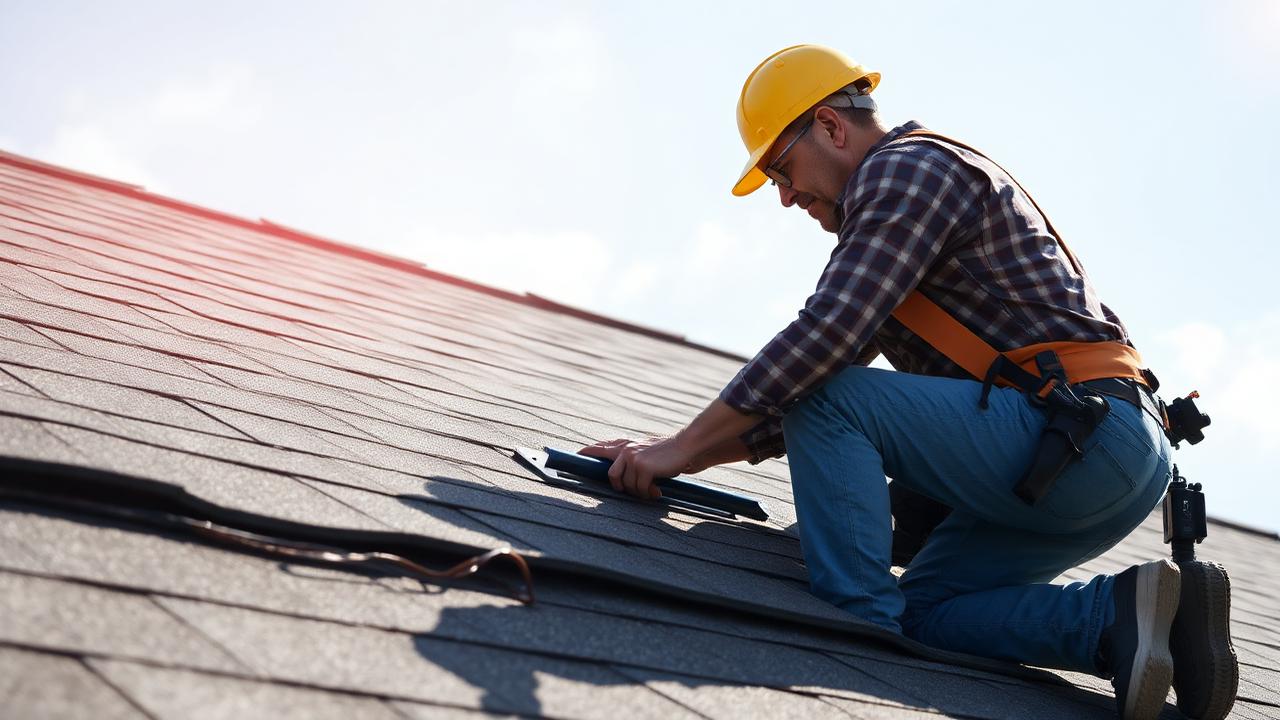
Roofing maintenance gives homeowners control over timing, scope, and cost in a way that reactive repairs never can. When maintenance is planned, inspections and small corrective actions are scheduled intentionally, often based on roof age, material type, and known exposure points. Minor issues such as aging sealant, loose flashing, or early material wear can be identified and addressed while they are still isolated. These repairs are typically straightforward, limited in scope, and far easier to budget for because they occur before surrounding systems are affected.
Planned roofing maintenance also allows homeowners to choose favorable timing. Work can be scheduled during appropriate weather, coordinated with other projects, and aligned with household routines rather than disrupting them. Decisions are made calmly, with options available, rather than under pressure. This sense of control turns exterior care into a predictable responsibility instead of an ongoing concern.
Reactive exterior repairs remove that control almost immediately. When leaks appear, rot is discovered, or storm damage exposes vulnerable areas, action becomes urgent. Contractors are called quickly, schedules are rearranged, and temporary measures may be used just to limit further damage. By the time these repairs begin, problems are rarely confined to the roof surface alone. Water may have already reached insulation, framing, ceilings, or interior finishes, expanding the scope of work and increasing costs.
In these situations, homeowners are no longer deciding when or how to act. The building dictates the timeline, the damage defines the scope, and budgets are adjusted reactively rather than planned thoughtfully. Roofing maintenance keeps homeowners in control. Major exterior problems take that control away, replacing planning with urgency and predictability with disruption.
Proactive Roofing Maintenance Versus Reactive Exterior Repairs
The difference between roofing maintenance and reactive exterior repairs becomes clear when comparing how each unfolds.
Proactive roofing maintenance focuses on:
- •Monitoring aging materials
- •Addressing flashing and transition details early
- •Managing drainage and ventilation
- •Correcting small issues before failure
Reactive exterior repairs focus on:
- •Stopping active leaks
- •Replacing damaged materials
- •Repairing interior finishes
- •Managing stress, disruption, and urgency
Roofing maintenance is quiet and easy to overlook because it prevents problems homeowners never experience. When systems are maintained early, there are no emergency calls, no stained ceilings, and no disruption to daily life. There is no visible drama, no sudden inconvenience, and no urgent scheduling conflicts. Success is measured by stability rather than visible change. The roof continues performing as expected, weather events pass without concern, and daily routines remain uninterrupted.
This lack of visible impact can make maintenance seem unnecessary, even though it is precisely what keeps larger issues from developing. Preventative care operates in the background, preserving materials, reinforcing vulnerable areas, and correcting minor wear before it escalates. The benefit is not in what homeowners see, but in what they avoid.
Reactive exterior repairs, by contrast, are disruptive because they begin after protection has already failed. Leaks are active, damage may be spreading, and decisions are made under pressure. Temporary solutions may be installed just to contain further harm while permanent repairs are scheduled. Contractors are contacted urgently, interior spaces may need protection, and normal routines are interrupted.
This contrast highlights why consistent roofing maintenance feels simple and controlled, while delayed repairs tend to be stressful, urgent, and far more disruptive. Proactive care preserves stability. Reactive repairs respond to instability after it has already taken hold.
Roofing Maintenance Keeps Problems Small
Roofing maintenance addresses small, contained issues before they escalate into larger concerns. A lifted flashing edge. Aging sealant around penetrations. Minor material wear caused by sun exposure or seasonal expansion and contraction. These conditions are typically straightforward and cost-effective to correct when identified early through routine inspections or preventative care.
When addressed promptly, maintenance work often involves resealing vulnerable areas, reinforcing flashing, replacing a limited section of shingles, or correcting isolated drainage concerns. The scope remains controlled, the labor is limited, and the integrity of surrounding systems is preserved.
Major exterior problems, however, develop when minor issues go unnoticed or unaddressed. A small leak that could have been sealed in an afternoon may allow moisture to penetrate decking. Rot can spread into framing members. Insulation becomes saturated. Structural components begin to weaken. What started as a localized concern can quickly involve roofing, framing, drywall, insulation, and even interior finishes.
At that stage, repairs are no longer preventative. They become corrective and often disruptive. Costs increase, timelines extend, and multiple trades may be required to restore full functionality.
Roofing maintenance keeps problems manageable, predictable, and budgeted. Delayed action allows small deficiencies to compound into structural and financial setbacks that could have been avoided with timely attention.
Appearance Is Not the Same as Condition
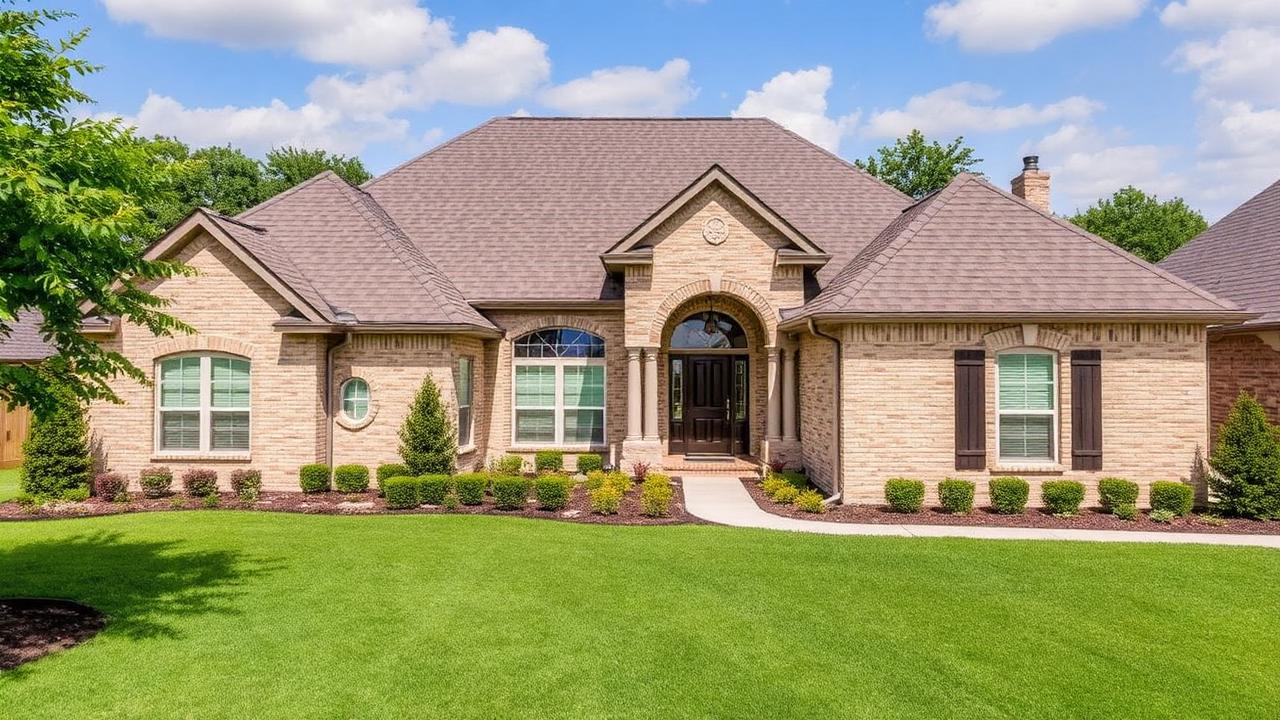
Homeowners naturally respond to what they can see. If the roof looks fine from the ground, roofing maintenance can feel unnecessary or easy to postpone. Without visible stains, missing shingles, or obvious damage, it's easy to assume everything is functioning properly.
This visual bias leads many people to wait until damage becomes obvious. The problem is that roofing systems often fail first at transitions and concealed areas, such as flashing joints, penetrations, and valleys where water concentrates. These vulnerable points are rarely visible from street level but are critical to overall performance.
Roofing maintenance corrects this blind spot. Professional evaluations focus on performance rather than appearance, identifying early signs of wear, sealant breakdown, or minor movement before they turn into leaks. Major exterior problems often begin when decisions are based on how the roof looks instead of how it is functioning. Proactive maintenance keeps small issues contained and prevents avoidable escalation.
Roofing Maintenance Protects Interior Investments
Interior renovations significantly increase the importance of roofing maintenance. New flooring, cabinetry, drywall, insulation, and finishes represent a substantial investment of both time and money. These upgrades improve comfort, functionality, and property value, but they also raise the stakes if exterior protection fails. Once interior work is complete, tolerance for moisture intrusion becomes very small. Even minor leaks can stain ceilings, warp wood materials, damage insulation, weaken drywall, or compromise newly finished spaces that were meant to last for years.
Water does not need to be dramatic to be destructive. Slow moisture intrusion can travel along framing members, accumulate above ceilings, or settle behind walls before visible symptoms appear. By the time staining or bubbling paint is noticed, damage may already extend beyond the original entry point. What began as a small roofing issue can quickly affect multiple interior systems.
Roofing maintenance acts as a protective layer for these interior investments by stabilizing moisture control and maintaining proper temperature balance. A well-maintained roofing system manages water flow, reinforces vulnerable transition points, and preserves ventilation performance. This proactive care significantly reduces the likelihood of unexpected leaks and protects the structural and aesthetic integrity of everything beneath the roof surface.
Reactive exterior repairs often occur only after interior damage has already happened. At that stage, restoration may involve not just roofing work, but also drywall replacement, repainting, flooring repair, insulation removal, or mold remediation. What could have been addressed through routine roofing maintenance becomes a more complex and costly recovery process. Proactive exterior care safeguards interior improvements and ensures that recent renovations remain protected long after the work is complete.
Predictability Is One of the Biggest Benefits
Predictability is one of the greatest benefits of roofing maintenance. Homeowners know the condition of their roof, understand what needs attention now, what can be monitored, and what can be planned for later. Instead of reacting to surprises, they operate with clarity. Repairs and improvements can be scheduled intentionally, budgets managed calmly, and decisions made without urgency or pressure.
Routine maintenance creates documentation and awareness. Small issues are identified early, timelines for future replacement can be estimated more accurately, and financial planning becomes more strategic. This level of foresight allows exterior care to align with other home priorities rather than compete with them.
Major exterior problems eliminate that predictability. Repairs appear without warning, costs escalate unexpectedly, and schedules are disrupted. Emergency situations often require immediate decisions, limited contractor availability, and higher expenses. Roofing maintenance transforms exterior care from a reactive cycle into a controlled, manageable responsibility rather than a persistent source of stress.
Roofing Maintenance Reduces Emotional Stress
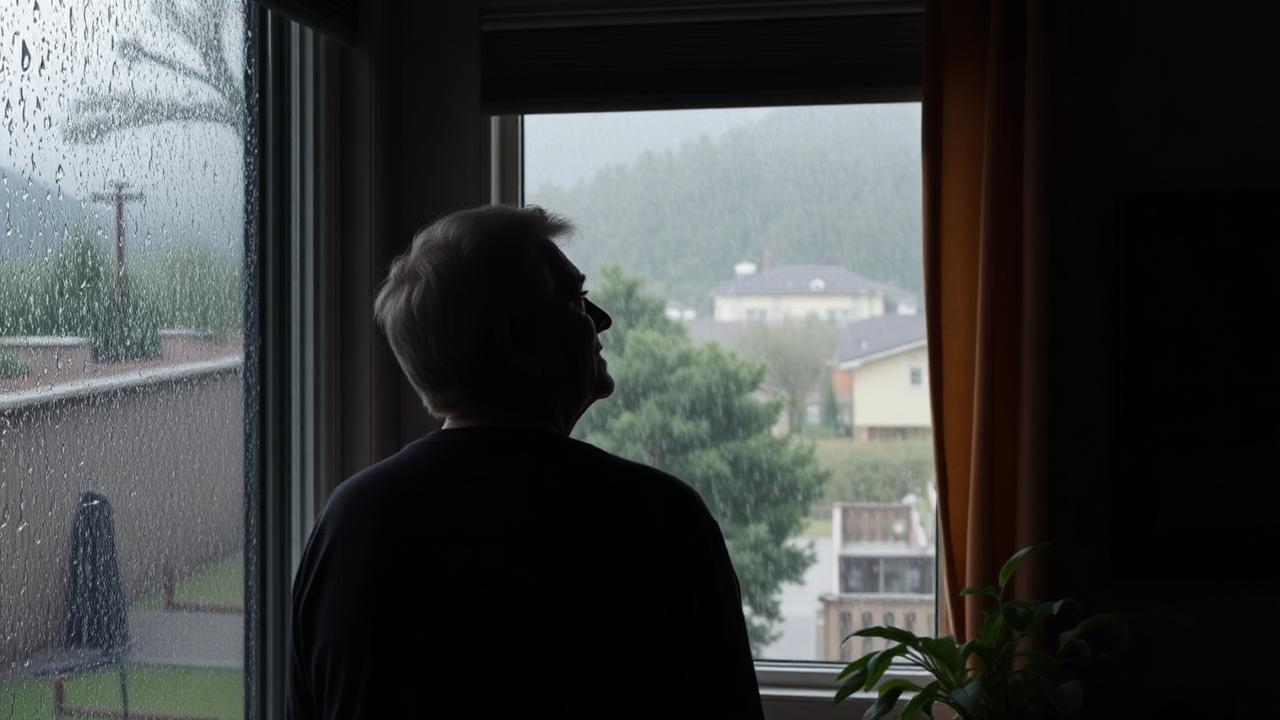
Homes with uncertain roof conditions often create anxiety during storms, temperature swings, or heavy rain. Homeowners listen for dripping, watch ceilings for new stains, and worry about what might be happening out of sight. Even minor weather events can trigger concern when the condition of the roofing system is unknown.
Uncertainty magnifies risk. When maintenance has been deferred, every wind gust or downpour can feel like a potential problem. Instead of viewing weather as routine, homeowners brace for possible damage and unexpected repair costs.
Roofing maintenance replaces that uncertainty with confidence. When the roof has been evaluated, documented, and properly maintained, storms feel routine instead of threatening. Seasonal changes feel manageable rather than risky. This emotional stability is a meaningful benefit that is often overlooked when evaluating exterior care, yet it plays a significant role in how secure and comfortable homeowners feel in their own space.
Roofing Maintenance Spreads Costs Over Time
Roofing maintenance spreads costs over time instead of concentrating them into emergencies. Routine inspections, minor repairs, and targeted improvements are far easier to budget than large, unexpected repair projects. Planned maintenance allows homeowners to address issues in manageable phases, avoiding financial strain and rushed decision-making.
When small deficiencies are corrected early, materials last longer and structural components remain protected. This controlled approach prevents minor wear from escalating into system-wide damage. Maintenance also provides visibility into future needs, making it possible to prepare for eventual replacement rather than react to sudden failure.
Reactive exterior problems, by contrast, often bring emergency labor rates, interior restoration expenses, and structural repairs that far exceed the cost of consistent maintenance. What might have been a simple flashing repair can evolve into decking replacement, insulation removal, and ceiling repairs. Over time, roofing maintenance reduces total exterior expenses, minimizes disruption, and preserves long-term property value.
Roofing Maintenance Is an Ongoing Strategy
Effective roofing maintenance is not a one-time task. It is an ongoing strategy that adapts as materials age, weather patterns shift, and building conditions evolve. Roofing systems experience constant exposure to sun, wind, temperature fluctuations, and moisture. Over time, sealants dry out, flashing shifts, and materials naturally wear. Regular evaluation, documentation, and incremental improvements keep risk low and performance high by addressing these predictable changes before they become failures.
A structured maintenance approach also creates a record of condition over time. This allows homeowners to track aging trends, anticipate future needs, and make informed decisions based on data rather than guesswork. Small adjustments made consistently preserve the overall integrity of the system.
Major exterior problems are rarely solved by a single repair. They are typically the result of deferred maintenance, where minor issues were allowed to compound over months or years. When care is postponed, deterioration accelerates, and corrective work becomes more complex. Ongoing roofing maintenance interrupts that cycle, preserving stability and extending the life of the entire exterior system.
Take a Proactive Approach With Action Exteriors
Major exterior problems are rarely the result of a single sudden failure. They typically develop when minor issues are left unmonitored and small signs of wear are overlooked. Roofing maintenance provides the structure and consistency needed to address these concerns early, before they expand into larger, more disruptive repairs.
At Action Exteriors, our teams in Tulsa, OK; Greenville, SC; Austin, TX; and Fort Worth, TX work with homeowners to identify and correct these small issues before they escalate. Each location focuses on region-specific weather patterns, material performance, and common failure points unique to the area. As we continue expanding into additional markets, our goal remains the same: deliver consistent, proactive roofing maintenance that keeps problems contained and predictable rather than disruptive and costly.
Action Exteriors works with homeowners to assess roof performance, document condition over time, and establish clear maintenance plans that reduce risk and uncertainty. Whether your roof is approaching mid-life, has experienced past repairs, or simply has not been evaluated recently, our team focuses on maintaining stability and preventing avoidable complications.
If you want roofing maintenance to remain predictable, controlled, and cost-effective, Action Exteriors can help. A professional evaluation is a practical step toward staying ahead of exterior deterioration and avoiding the stress that comes with reactive repairs.
Frequently Asked Questions About Roofing Maintenance
How often should roofing maintenance be performed?
Most roofs benefit from professional evaluation at least once per year, along with inspections after major storms. The exact schedule depends on roof age, material type, and exposure conditions. Consistent evaluations help identify small issues before they become disruptive repairs.
If my roof looks fine, do I still need maintenance?
Yes. Many roofing problems begin at flashing details, penetrations, and concealed areas that are not visible from the ground. Roofing maintenance focuses on performance rather than appearance, allowing early signs of wear to be corrected before leaks develop.
What does roofing maintenance typically include?
Roofing maintenance often involves inspecting flashing, sealants, drainage systems, material wear, and ventilation. Minor corrective actions such as resealing, reinforcing transitions, and replacing isolated components may be performed to preserve system integrity.
Is roofing maintenance really more cost-effective than repairs?
In most cases, yes. Routine maintenance spreads costs over time and keeps repairs contained. Reactive repairs often involve interior damage, structural components, and emergency labor, which significantly increases overall expense.
Can roofing maintenance extend the life of my roof?
Yes. By addressing small issues early and managing predictable aging patterns, maintenance helps preserve materials and reduce the likelihood of premature system failure.
What are the risks of delaying roofing maintenance?
Deferred maintenance allows minor deterioration to compound. Small leaks can become rot, insulation damage, or framing concerns. Delays often result in higher repair costs, tighter timelines, and more disruption.
When is the best time to schedule roofing maintenance?
The best time is before visible problems appear. Scheduling evaluations proactively, especially before storm seasons or after several years without inspection, helps maintain control over timing and cost.