How Roof Underlayment Affects the Longevity of Your Amazing Roof
Hiring roofing contractors may seem like a daunting task, but not with the help of our team at Action Exteriors. Whether you’re planning a roof upgrade or in need of an emergency repair, our goal is to provide industry-leading service. We are a local, family-owned roofing company with a team of professionals who love what we do.
When most homeowners think about their roof, they usually focus on the shingles, tiles, or the color and style of the material that’s visible from the outside. However, there’s a crucial component of your roofing system that’s often overlooked: roof underlayment. While it might not be the most visible part of your roof, underlayment plays an essential role in protecting your home and extending the lifespan of your roof.
In this blog, we’ll take an in-depth look at roof underlayment, how it works, and how it contributes to the overall durability and longevity of your roof. By the end, you’ll see why working with a trusted, BBB-accredited roofing company like Action Exteriors Tulsa is the best way to ensure your roof performs optimally for years to come.
Table of Contents
What Is Roof Underlayment?
Roof underlayment is a material that is installed directly beneath the roof covering (shingles, tiles, or other materials) but above the roof deck. Think of it as a protective barrier between your roof deck and the shingles or other roof coverings. Its primary job is to act as an extra layer of defense against moisture, keeping water from seeping into your home. It also provides additional insulation, prevents ice dams, and even helps with energy efficiency.
Underlayment comes in various materials, such as felt paper, synthetic membranes, and rubberized asphalt. Each type has its own set of benefits and drawbacks. Some are more durable and weather-resistant than others, and the choice you make can have a significant impact on the overall performance and lifespan of your roof.
At Action Exteriors, we recommend using high-quality underlayment to ensure the longevity and effectiveness of your roof. As outlined in our commercial roofing maintenance guide, proper material selection plays a critical role in protecting your roofing system. Let’s explore how underlayment contributes to your roof’s protection and overall performance.
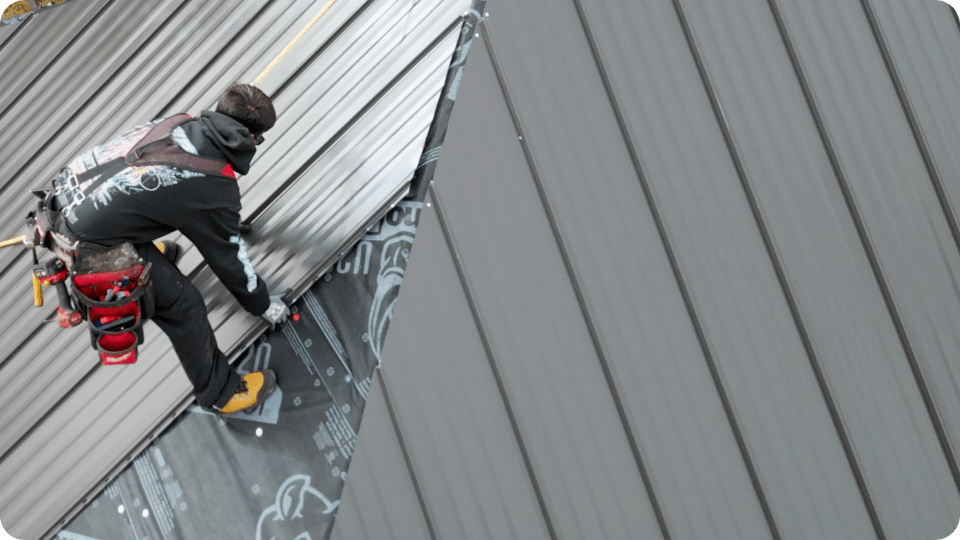
The Role of Roof Underlayment in Protecting Your Home
Waterproofing Protection
The primary function of roof underlayment is to act as a waterproof barrier. It sits directly under the shingles, offering protection from water infiltration. Even the highest-quality shingles can experience wear and tear over time, and some may become loose or even fall off during severe weather. In such cases, the underlayment steps in as a secondary layer of protection, preventing water from seeping into your home. This is especially important in areas prone to heavy rainfall or snowstorms.
Without a proper underlayment, water could penetrate through the roof covering and eventually cause extensive damage to your home, leading to mold, rot, and costly repairs. Whether you’re experiencing an unexpected storm or the gradual wear and tear from the elements, the underlayment ensures your home stays dry and safe.
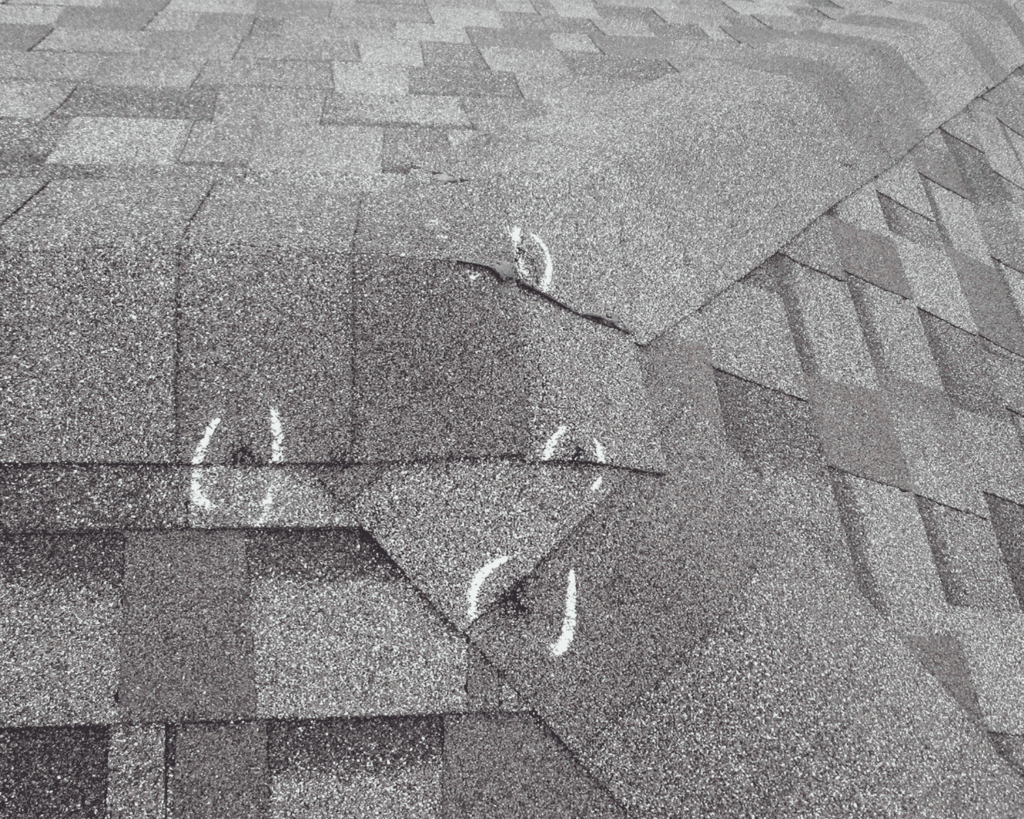
Prevention of Ice Damming
In regions with cold winters, homeowners face the risk of ice dams forming on their roofs. Ice dams occur when snow on the roof melts due to heat from inside the house and then refreezes at the edge of the roof, creating a barrier. This barrier traps water under the shingles, which can eventually seep into your home, causing significant damage.
A specialized underlayment, such as ice and water shield, provides an extra layer of protection to prevent water from backing up under the shingles. It adheres directly to the roof deck and forms a watertight seal, preventing the formation of ice dams and water infiltration during colder months. This is especially important for homes in colder climates, where the risk of ice dams is higher.
Improved Insulation
Some types of underlayment offer thermal properties that improve your home’s insulation. Roof underlayment helps reduce heat transfer, which can make a significant difference in your home’s energy efficiency. A well-insulated roof keeps your home warmer in the winter and cooler in the summer, reducing the amount of energy required to maintain a comfortable temperature.
For example, a reflective synthetic underlayment can help reduce heat buildup in your attic, which can, in turn, reduce your cooling costs during the summer months. It also helps reduce heat loss during winter, which can lower your heating bills. At Action Exteriors, we understand the importance of energy-efficient solutions, and as a reputable Tulsa contractor recognized by the Tulsa Home Builders Association, we offer roofing systems with underlayment that enhances your home’s overall energy performance.
Added Durability
Roof underlayment doesn’t just provide a waterproof barrier, it also helps protect the roofing material from the damaging effects of UV rays. Over time, ultraviolet rays from the sun can break down and degrade the roofing materials, causing them to deteriorate prematurely. Underlayment acts as a shield, helping to protect your shingles or tiles from the sun’s harmful rays.
By acting as a secondary barrier, underlayment can also help extend the lifespan of your shingles, reducing the need for premature roof replacements. This added layer of protection ensures that your roof lasts as long as possible, saving you money in the long run.Why Roof Underlayment Matters During a Roof Replacement
When most homeowners think of a roof replacement, they picture new shingles, upgraded materials, or improved curb appeal. But one of the most important steps in any roof replacement is installing the right roof underlayment. Even the most expensive shingles in the world cannot perform properly without a reliable base layer underneath.
During a roof replacement, the old roofing material is removed, exposing the roof deck. This is the perfect opportunity to evaluate the condition of your underlayment. If your underlayment is outdated, damaged, or made from older felt material, the integrity of your new roof may be compromised from day one. A strong underlayment acts as a waterproof barrier, a structural support layer, and a vital component in your roof’s energy efficiency.
At Action Exteriors, we use this stage of the roof replacement process to inspect every inch of the decking, ensure proper ventilation, and install premium underlayment that enhances your roof’s performance. Whether you choose traditional felt or advanced synthetic materials, replacing your underlayment is one of the best ways to guarantee your new roof will last decades.
Signs You May Need New Roof Underlayment Before a Roof Replacement
While roof underlayment is designed to last for many years, it will eventually weaken and lose its protective qualities. Sometimes homeowners schedule a roof replacement because of missing shingles or old age, but the real issue lies beneath the surface where the underlayment has started to fail.
Here are common signs that your roof underlayment may need to be replaced:
- Frequent Roof Leaks: If leaks appear even with intact shingles, the underlayment may be torn or degraded.
- Soft or Spongy Roof Deck: Water trapped beneath the underlayment can rot the decking, a key indicator of underlayment failure.
- Mold or Mildew in the Attic: Damaged underlayment allows moisture to seep into your attic insulation and support beams.
- Visible Wrinkling or Bubbling: Warped underlayment can compromise shingle installation and reduce roof lifespan.
- Ice Dams Forming Annually: In colder climates, failing underlayment contributes to repeated ice dam issues.
If you’re experiencing any of these problems, the issue often goes deeper than what you can see from the outside. During an inspection, Action Exteriors, a GAF-approved roofing contractor in Tulsa, evaluates the condition of your roofing materials from top to bottom to determine whether you need a partial repair or a full roof replacement, including updated underlayment.
The Role of Roof Underlayment in Severe Weather Conditions
In regions that face high winds, heavy storms, or unpredictable seasonal weather, reliable roof underlayment becomes even more essential. Shingles can lift, crack, or blow off during a storm, but if your underlayment is strong, it provides a secondary barrier that keeps your home protected even when the top layer is compromised.
Wind-driven rain is particularly dangerous. When rain pushes underneath shingles, the underlayment is the only thing stopping moisture from soaking into the roof deck. That’s why modern synthetics and ice-and-water barriers are engineered to offer superior weather resistance.
For homeowners in storm-prone areas, a roof replacement that includes an upgraded underlayment can make a dramatic difference in performance. While shingles provide aesthetic appeal and outer protection, the underlayment is what truly keeps the home dry during extreme conditions. Action Exteriors uses weather-resistant underlayment options designed to hold up during Texas storms, heavy humidity, and high UV exposure.
How Roof Underlayment Enhances Energy Efficiency
A well-designed roofing system is about more than preventing leaks, it plays a major role in your home’s energy efficiency. Modern roof underlayment materials often include reflective surfaces or insulating layers that help regulate indoor temperatures. When paired with a professional roof replacement, these improvements can significantly reduce your energy costs.
High-quality underlayment helps your home by:
- Reducing attic heat: Reflective underlayment sends radiant heat away from the roof deck, lowering summer cooling costs.
- Preventing heat loss: Additional insulation helps retain warm air during colder months.
- Improving shingle performance: Cooler roof temperatures help shingles last longer and resist cracking.
- Lowering HVAC workload: More stable attic temperatures reduce strain on heating and cooling systems.
When combined with proper ventilation and high-quality shingles, the right underlayment can contribute to a roof system built for long-term energy efficiency. A roof replacement becomes more than a repair, it becomes an upgrade for your entire home.
Comparing Roof Underlayment Options During a Roof Replacement
Not all underlayment materials are created equal, and choosing the best option can dramatically affect the outcome of your roof replacement. At Action Exteriors, we provide expert recommendations based on your home’s roof structure, climate conditions, and long-term goals.
Here’s a comparison of the three primary options:
Felt Underlayment
Traditional felt is affordable and effective, but it lacks the durability of synthetic products. It is more prone to tearing during installation and absorbs moisture if left exposed.
Synthetic Underlayment
Synthetic underlayment is lightweight, tear-resistant, and fully waterproof. It offers superior longevity, making it a preferred choice for most roof replacement projects.
Ice & Water Shield
This premium underlayment is self-sealing and ideal for vulnerable roof areas such as valleys, eaves, edges, and low-slope sections. It’s essential for preventing leaks caused by ice dams or debris buildup.
No matter which type of roof underlayment you choose, proper installation is critical. Action Exteriors ensures that every seam is sealed correctly, every surface is covered evenly, and the entire roofing system is prepared to withstand years of severe weather.
Why Choosing the Right Contractor Is Critical for Roof Underlayment
Even the best roof underlayment will fail if it’s installed incorrectly. Underlayment must be precisely aligned, securely fastened, and sealed at all vulnerable points. Small mistakes, such as improper overlap or loose fastening, can lead to premature leaks and structural issues that may require a roof replacement far sooner than expected.
That’s why choosing the right contractor matters. Action Exteriors, a trusted roofing contractor serving Tulsa and listed on iBusinessFinder, trains every installer to follow strict industry standards, ensuring each layer of your roofing system works as intended. Our team understands how underlayment interacts with shingles, ventilation, and decking, and we install every roof as if it were protecting our own homes.
With a focus on transparency, quality, and durability, we guarantee that your new roof will stand strong for decades, supported by premium materials and expert craftsmanship.
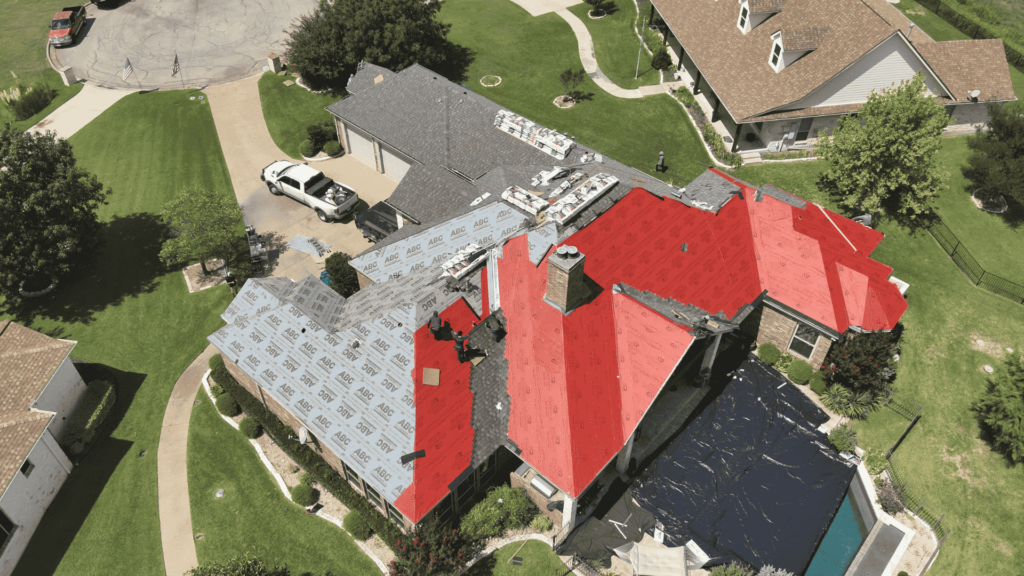
Types of Roof Underlayment
Now that we’ve covered the essential functions of roof underlayment, let’s explore the different types of underlayment available and how each can affect the longevity of your roof.
Felt Paper Underlayment
Felt paper underlayment, often referred to as roofing felt, is one of the most traditional types of underlayment used in roofing systems. It comes in two primary varieties: organic felt and fiberglass felt. Organic felt is made from natural materials such as paper, while fiberglass felt uses synthetic materials to provide additional strength.
Pros:
- Affordable: Felt paper is one of the most cost-effective roofing underlayment options.
- Widely Available: It’s easy to find and commonly used in the roofing industry.
Cons:
- Susceptible to Moisture: Felt paper can absorb moisture, which can lead to mold, mildew, and degradation if exposed to high humidity or water for extended periods.
- Less Durable: While it serves its purpose, felt paper generally has a shorter lifespan compared to synthetic alternatives.
Best for: Homeowners on a budget looking for a temporary or less expensive roofing solution.
Synthetic Underlayment
Synthetic underlayment is a modern alternative to traditional felt paper. Made from plastic polymers or polyester, synthetic underlayment offers superior durability, UV resistance, and moisture protection compared to felt paper. It’s also lighter and easier to install.
Pros:
- Durability: Synthetic underlayment is far more durable than felt paper and is less susceptible to damage from moisture, UV rays, or extreme weather conditions.
- Lightweight: It’s easier to handle and install, making the roofing process quicker and more efficient.
- Longer Lifespan: Synthetic underlayment can last significantly longer than felt paper, improving the overall longevity of your roof.
Cons:
- Higher Initial Cost: While synthetic underlayment may be more expensive upfront, its durability and longevity make it a worthwhile investment in the long run.
Best for: Homeowners looking for a high-performance, long-lasting underlayment solution.
Ice and Water Shield
Ice and water shield underlayment is a self-adhesive membrane designed to prevent water infiltration in vulnerable areas, such as valleys, roof edges, and around chimneys. This type of underlayment is especially beneficial in regions where ice dams are a concern.
Pros:
- Waterproofing: It provides an extra layer of waterproofing that effectively prevents leaks, especially in areas prone to water damage.
- Adhesive Properties: The self-adhesive nature ensures it bonds tightly to the roof deck, providing a secure, watertight seal.
- Ideal for Cold Climates: It’s a must-have in colder climates where ice dams are common.
Cons:
- Higher Cost: Ice and water shields are more expensive than traditional underlayment materials.
Best for: Homeowners in colder climates or those dealing with heavy rainfall and snow.
How Roof Underlayment Affects Roof Lifespan
The quality and type of roof underlayment you choose can significantly impact the longevity of your roof. High-quality underlayment helps prevent water damage, enhances insulation, and protects your roofing material from the elements. This, in turn, reduces the likelihood of premature roof degradation, helping your roof last longer and function more efficiently.
On the other hand, outdated or inferior underlayment can cause a variety of issues, including water leaks, mold growth, and the rapid deterioration of your roofing materials. Over time, this leads to more frequent repairs and potentially costly roof replacements.
At Action Exteriors, we ensure that your roof underlayment is installed correctly and is made from high-quality materials. With our expert installation services, you can rest easy knowing that your roof is well-protected and will stand the test of time.
Final Thoughts on Roof Underlayment
While roof underlayment may not be the most visible component of your roofing system, its role in protecting your home and extending the lifespan of your roof is invaluable. Choosing the right type of underlayment and ensuring proper installation is crucial for preventing water damage, improving energy efficiency, and enhancing the durability of your roof.
At Action Exteriors, we understand the importance of quality roofing components, including underlayment, in safeguarding your home. Our experienced team is committed to installing high-quality underlayment that will provide long-lasting protection for your roof, saving you time and money in the long run.
Choose Action Exteriors for Quality Roof Underlayment Installation
When it comes to installing or replacing your roof, make sure you choose a trusted, experienced roofing contractor like Action Exteriors. Our team will guide you in selecting the best underlayment for your roof and ensure it’s installed properly to maximize the performance and longevity of your roof. For homeowners looking to learn more about choosing the best exterior professionals, our roofing blog offers helpful guidance on finding the best roofing company in Tulsa and protecting your home year-round.
Contact Action Exteriors today to learn more about how we can help you protect your home with high-quality roof underlayment!
- Facebook — Join our community for updates and customer stories.
- Instagram — Browse project photos, behind-the-scenes roofing work, and latest jobs.
- Official Website — View our full portfolio and contact us for roofing repair or replacement services.
Posted in