What Does a Roof Inspection Really Include? (Tulsa 2026)
Table of Contents
“An ounce of prevention is worth a pound of cure.” — Benjamin Franklin
Most homeowners do not think about their roofs until there is a leak, and by that point the damage has usually spread farther than expected. In Tulsa, where hail, heavy rain, strong winds, and fast temperature swings create constant stress on roofing materials, routine roof inspections are one of the most important steps you can take to protect your home. A professional inspection can uncover small issues before they turn into major repairs, structural problems, or insurance claims. Studies show that regular roof inspections can extend the overall lifespan of a roof by up to 30 percent, which means more years of protection and fewer costly surprises.
A roof inspection is more than a quick glance at shingles. It is a detailed evaluation of every part of your roof’s system, including ventilation, flashing, gutters, decking, and any areas where water is likely to collect or seep in. Inspectors look for signs of aging, weather damage, granule loss, cracked or lifted shingles, soft spots, mold, and structural weaknesses that homeowners rarely notice on their own. In Tulsa, inspectors also pay close attention to hail impacts, wind uplift, and areas where storms commonly create hidden damage that shows up months later.
Roof inspections are important whether you are buying a home, recovering from a recent storm, preparing for severe weather season, or simply staying proactive. A full evaluation helps you understand the current condition of your roof and what repairs or maintenance may be needed to keep both your home and garage secure. For homeowners with attached or detached garages, an inspection also identifies issues with rooflines, siding intersections, gutter alignment, and door framing, since these areas often reveal early signs of moisture intrusion.
When you know what a professional roof inspection includes and why each step matters, you gain real confidence in the safety of your home. You also avoid the stress of unexpected leaks, interior damage, and emergency repairs during Tulsa’s toughest storms. Regular inspections give you peace of mind, help protect your investment, and ensure your roof is always ready for the next round of Oklahoma weather.
Surface Inspection: Shingles, Tiles, and Panels
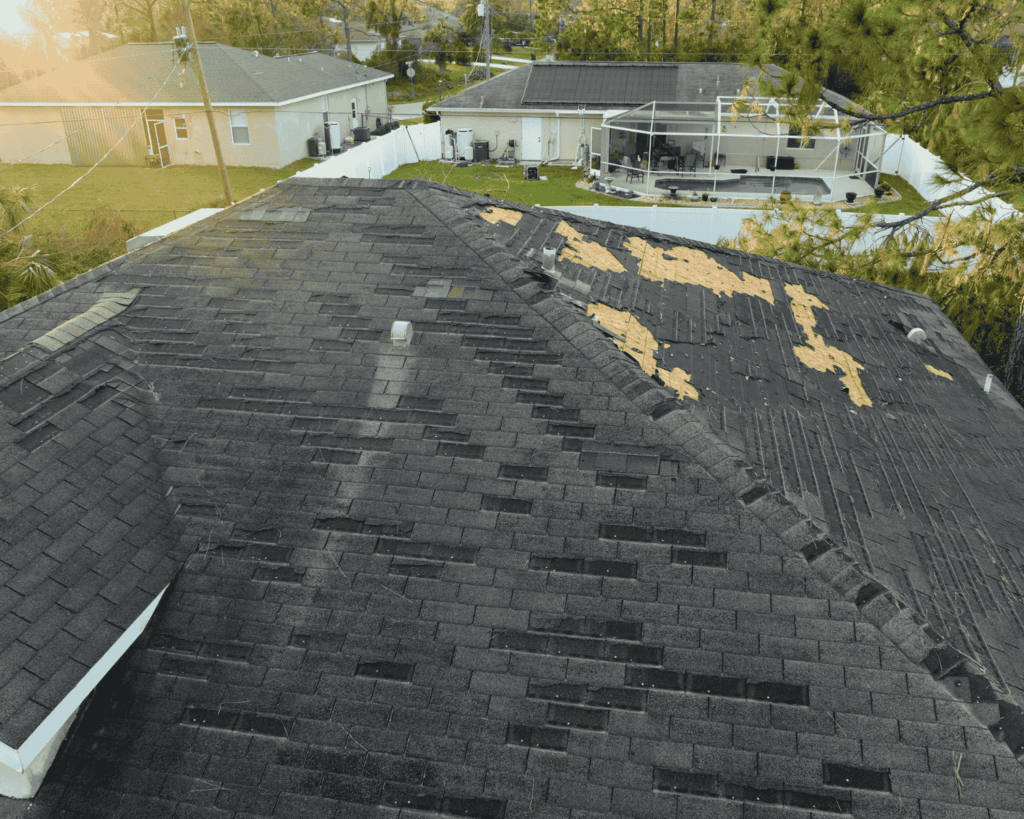
The first thing a roofing expert examines during a roof inspection is the outermost layer of your roof, since this is the part that faces constant exposure to sun, wind, rain, hail, and debris. The surface of your roof is your home’s first shield, and even small defects can lead to leaks or structural issues if they are not caught early.
Inspectors carefully check for cracked, missing, or curling shingles that signal aging or weather-related deterioration. They look for bald spots or granule loss on asphalt shingles, which is often a sign that the protective coating has worn away after years of Tulsa heat and heavy storms. Tile and metal roofing materials are also inspected closely for rust, cracks, shifting panels, or loosened fasteners that can compromise the roof’s ability to shed water.
Storm damage is another key concern in Tulsa. A professional inspector looks for hail dents, broken shingles, wind uplift, and impact marks that may not be visible from the ground. Even minor dents can weaken roofing materials and shorten their lifespan. By getting up close and using specialized tools, inspectors can identify subtle damage long before it turns into leaks or costly repairs. Working with a trusted Tulsa roofing contractor ensures these issues are identified accurately and addressed before they escalate.
Tulsa’s unpredictable weather makes surface damage difficult for homeowners to spot on their own. A professional roof inspector has the experience, training, and equipment to catch early warning signs and help protect your home before small issues become major problems.
Flashing and Roof Penetrations
Flashing is one of the most important components of your roofing system because it protects the vulnerable areas around vents, chimneys, skylights, and other roof penetrations. These junctions are some of the most common sources of leaks, so a thorough flashing inspection is a key part of any professional roof evaluation.
Inspectors begin by checking for rust, corrosion, or flashing that has started to pull away from the roof surface. Even a small separation can allow water to seep underneath and travel into your attic or walls. Vent pipes and chimney bases are examined closely for gaps, deterioration, or missing protective boots that can leave openings for moisture. Sealants and caulking around these areas are checked as well, since cracks, shrinking, or drying sealant often indicate the need for immediate repair.
Professionals also confirm that the flashing around roof-mounted equipment such as satellite dishes, HVAC units, or solar panels is still watertight. Improper installations or aging materials can cause water to pool or run behind the flashing, leading to hidden damage.
A weak point in flashing can lead to thousands of dollars in water damage if left unaddressed. Early detection protects the entire structure of your home and helps prevent leaks from spreading into connected areas, including attached garage ceilings. Regular inspections ensure your flashing continues to perform correctly and keep your home safe from moisture intrusion.
Gutter System and Drainage
Gutters may seem separate from your roofing system, but they play a critical role in keeping your roof, siding, and foundation protected. When gutters fail, water has nowhere to go, and the overflow can cause serious damage that often goes unnoticed until it becomes expensive to fix. A proper roof inspection always includes a full evaluation of the gutter and downspout system.
Inspectors begin by checking for clogs caused by leaves, dirt, or debris. Blocked gutters prevent proper drainage and force water to back up onto your roof. They will also look for sagging sections or areas where the gutters are pulling away from the fascia, since loose attachments allow water to spill over and soak into the wood beneath. Downspouts are checked to ensure they are unblocked and directing water several feet away from your home, which protects your foundation and prevents pooling near exterior walls.
Water stains on fascia boards or soffits are another warning sign that inspectors watch for. These stains often indicate that water has been overflowing for months and may already have caused rot or mold behind the surface. The inspector will also make sure splash blocks or downspout extensions are properly installed to carry water away from your home and garage.
Clogged, damaged, or improperly sloped gutters can create standing water that deteriorates shingles, eaves, siding, and even garage door framing. Ensuring that your gutters and downspouts work correctly is one of the simplest and most effective ways to extend the life of your roof and protect your home from costly water damage.
Interior Roof Structure and Attic Space
A complete roof inspection is never limited to the exterior. The true condition of your roof is often revealed inside the attic, where hidden problems become much easier to spot. Inspectors carefully evaluate the attic because it shows how well the roofing system is performing and whether any moisture or structural issues have begun to develop.
They will look for signs of active or past leaks, including wet insulation, damp wood, discoloration, or visible mold growth. Any moisture inside the attic means water is finding a pathway through the roof system. Inspectors also check for sagging roof decking or weakened beams, which can indicate long-term water exposure or structural stress from wind or hail.
Daylight shining through areas where it should not be is another telltale warning sign. Even small openings can allow water, pests, or cold air to enter the home. Ventilation is a major part of this inspection as well. Hot, moist air that becomes trapped inside the attic can lead to wood rot, condensation, mold, and warped roofing materials. Proper airflow helps reduce humidity levels, regulate temperatures, and extend the roof’s lifespan.
Issues found in the attic can impact more than just the roof. Poor ventilation and moisture infiltration can raise energy bills, create uncomfortable temperature swings, and even affect humidity levels in attached areas like your garage. A thorough attic inspection ensures your entire home stays protected and gives you a clear picture of your roof’s overall health.
Signs of Water Intrusion
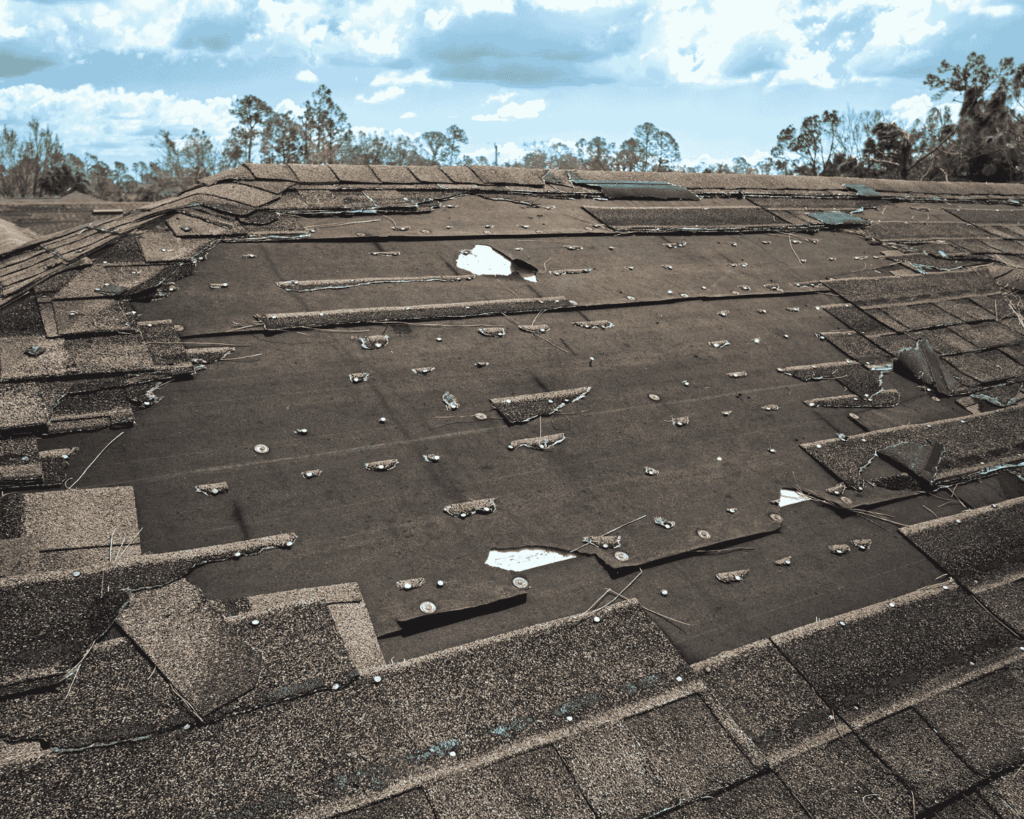
A roof inspector will also look closely for any signs of water penetration inside your home, since interior symptoms often reveal roof problems long before they are visible outside. Water stains on ceilings or walls are some of the most common indicators that moisture has made its way past the roofing system. Inspectors also look for peeling paint, bubbling drywall, or warped surfaces that signal ongoing leaks or trapped moisture, which is why working with experienced Tulsa roofing professionals like Action Exteriors Tulsa is essential for identifying and correcting these issues early.
Mold or mildew odors inside the home, especially after storms, are another important warning sign. Even a faint musty smell can indicate moisture behind walls or in ceiling cavities. Cracks or swelling in interior trim, particularly around windows, doors, and garage entry points, can also point to hidden water intrusion.
Catching these issues early is essential because untreated leaks can lead to structural rot, damaged insulation, electrical hazards, and expensive repairs that spread far beyond the roof. For garage roofs and walls, early detection is especially important since stored belongings, wiring, and outlets are more vulnerable to water damage. A thorough interior inspection helps ensure your entire home stays safe, dry, and fully protected.
Roofing Materials and Age Assessment
Even a well installed roof has a natural lifespan, and a thorough inspection will evaluate both the condition of your materials and how many functional years you may have left. Asphalt roofing systems generally last between 20 and 30 years, while metal, tile, and slate can last significantly longer with proper maintenance. However, every roofing material is affected by long term exposure, and even the strongest systems begin to wear down over time.
Inspectors look for signs of aging such as UV damage, surface weathering, granule loss, rust, shifting tiles, or hairline cracks. These patterns help determine whether your roof is aging normally or deteriorating more quickly due to environmental stress. Tulsa’s intense sun, hailstorms, heavy rains, and high winds can all shorten a roof’s expected lifespan, making regular evaluations especially important.
A professional inspection also involves reviewing manufacturer guidelines, installation methods, and overall wear compared to your roof’s estimated age. As a GAF-approved contractor, Action Exteriors Tulsa evaluates roofing systems according to strict manufacturer standards to ensure accuracy and long-term performance. When you know exactly where your roof stands in its life cycle, you can plan ahead for maintenance, repairs, or full replacement instead of facing sudden emergencies. Understanding your roof’s remaining lifespan gives you more control over your budget and helps prevent unexpected damage to the home or garage below.
Rooftop Additions: Skylights, Solar Panels, Satellite Dishes
Anything installed on your roof creates additional points of vulnerability, which is why a detailed inspection always includes a close look at rooftop features and attachments. These areas often experience more wear, more movement, and more potential for leaks than standard roof surfaces.
Inspectors will check for leaks, soft spots, or water stains around skylights, since these are common entry points for moisture. They will also examine the mounts and brackets used for solar panels, satellite dishes, antennas, and similar installations. If hardware has been poorly installed or has loosened over time, it can shift during storms and create openings that allow water to enter.
A good inspection also confirms that every roof penetration has been sealed properly. Even a small gap around a screw or flange can let in enough water to damage insulation, drywall, or electrical components. Another important step is making sure rooftop additions have not accidentally voided any existing roof warranties, since some manufacturers require certified installation or specific mounting methods.
When these features are ignored, they can compromise your entire roofing system. Regular inspections ensure that skylights, solar equipment, and other add-ons stay secure and watertight, protecting both your home and your garage from preventable damage.
Storm Damage Assessment
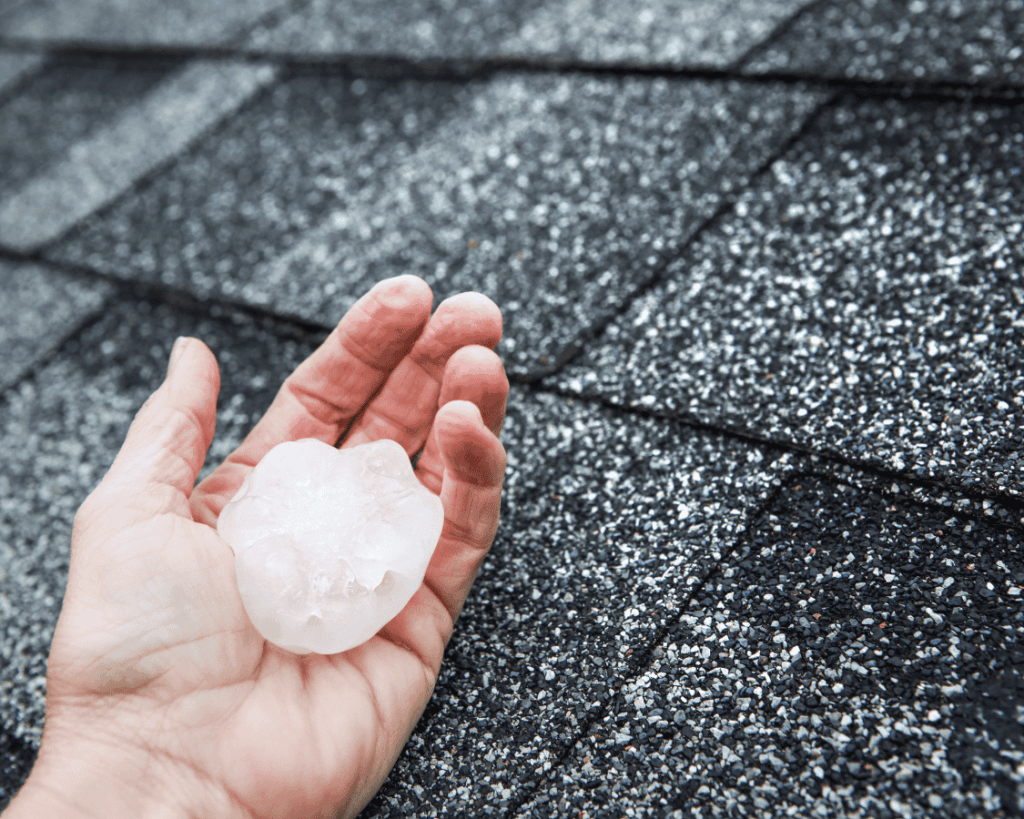
In Tulsa, post-storm inspections are a must, even when there are no obvious signs of trouble. Severe weather can cause hidden roof damage that only becomes noticeable weeks or even months later, which is why taking a close look after every major storm is essential for protecting your home.
Inspectors will look for hail bruises on shingles, lifted edges caused by strong winds, and marks from debris that may have struck the roof during the storm. Roof valleys and low-lying areas are checked carefully because these sections often collect water and can develop early signs of deterioration. Gutter systems are also reviewed for overflow, sagging, or detachment, since storm runoff can overwhelm them and lead to water backing up under the roof surface.
It is especially important to check the roof areas surrounding garages, additions, and complex rooflines. These sections can trap water more easily and may have angles or seams that are more vulnerable during heavy winds or severe rain, particularly during severe weather events that often lead to roof damage. A thorough inspection ensures that these problem areas are identified and corrected before they lead to larger issues, such as those commonly addressed during a roof repair after storm damage.
Many insurance companies require clear documentation of storm damage before approving claims. Regular post-storm assessments provide the proof you need while also giving you peace of mind that your roof is still performing the way it should.
Garage Roofs Deserve Equal Attention
It is easy to focus all your attention on the main part of your home, but garage roofs often develop issues that go unnoticed until they become serious problems. Whether your garage is attached or detached, a roof inspection is just as important here as it is for the rest of your home. Garages face the same harsh Tulsa weather and require the same level of care and attention to stay protected.
A thorough roof inspection always begins with evaluating ventilation. Garages tend to trap heat and moisture, especially during Tulsa’s hot summers, which can cause condensation, wood swelling, and premature roof wear. Poor ventilation also creates the conditions for mold growth, so identifying these issues early is essential.
Rusted or deteriorated flashing is another common concern during a roof inspection. The connection where the garage meets the main home is a vulnerable area, and flashing can loosen or corrode over time. If flashing begins to fail, water can leak behind the walls, travel into framing, and cause hidden damage that spreads quickly.
Insulation beneath the garage roof is also reviewed during a roof inspection, especially if the garage is climate controlled or used as a workshop, gym, or storage area. Poor insulation allows extreme temperatures to enter the space, which can affect energy bills, stored items, and indoor humidity levels.
Proper drainage around the garage is just as important. Inspectors check for pooling water near the foundation and confirm that gutters and downspouts are moving water away from the structure. Standing water increases the risk of foundation issues, mold growth, and pest intrusion.
At Action Exteriors Tulsa, we specialize in garage door systems, but we always take a whole-home approach. As a trusted local contractor recognized by the Better Business Bureau, every roof inspection we perform considers how the roof, siding, fascia, and garage door work together to protect your home. From preventing leaks along the garage roofline to upgrading insulated garage doors for better energy performance, we make sure your garage is just as secure and protected as the rest of your property.
Stay Ahead with a Professional Roof Inspection
A thorough roof inspection covers more than just a glance at your shingles, it’s a full top-to-bottom health check for your entire home. From Tulsa’s storm season to its summer heat, staying proactive can mean the difference between a simple fix and a major expense.
If you’re concerned about your garage roof, need help sealing vulnerable areas, or want to explore garage door upgrades to weatherproof your exterior, Action Exteriors Tulsa is here to help. We’re not just garage door pros, we’re your local partners in protecting your entire home’s exterior. For homeowners looking to learn more about choosing the best exterior professionals, our roofing blog offers helpful guidance on finding the best roofing company in Tulsa and protecting your home year-round.
Let’s get your roof and your garage storm-ready today with Action Exteriors Tulsa.
- Facebook — Join our community for updates and customer stories.
- Instagram — Browse project photos, behind-the-scenes roofing work, and latest jobs.
- Official Website — View our full portfolio and contact us for roofing repair or replacement services.
FAQ: Roof Inspections in Tulsa
1. How often should I schedule a roof inspection in Tulsa?
Tulsa homeowners should schedule a roof inspection at least once a year and after any major storm. Frequent hail, wind, and temperature swings make annual inspections essential for catching damage early.
2. What does a professional roof inspection include?
A full roof inspection reviews shingles, flashing, gutters, attic ventilation, insulation, roof penetrations, storm damage, and garage roof conditions. Inspectors look for leaks, structural wear, and hidden moisture intrusion.
3. Can a roof inspection really prevent expensive repairs?
Yes. Roof inspections help identify small issues before they turn into major leaks, wood rot, or structural damage. Studies show inspections can extend a roof’s lifespan by up to 30 percent.
4. Do garage roofs need to be inspected too?
Absolutely. Garage roofs face the same weather stress as your home and often show early warning signs of ventilation issues, flashing failures, or moisture intrusion that affect overall exterior protection.
5. Who should I call for a roof inspection in Tulsa?
For a thorough, reliable roof inspection that also evaluates your garage roof, siding intersections, and drainage, Action Exteriors Tulsa is a trusted local choice. Their team ensures your entire exterior is storm-ready and protected year-round.
Posted in