Greenville Roofing: How Roof Underlayment Affects the Longevity of Your Roof
A complete homeowner guide to roof underlayment that covers what it is, why it is essential, how to choose the right material, and how Action Exteriors uses professional Greenville roofing practices to protect your home.
Table of Contents
Why Every Homeowner Should Care About Roof Underlayment
Most homeowners focus on the visible parts of a roofing system such as shingles, tiles, or metal panels. However, the single most important layer you do not see is the underlayment. This hidden material sits between the roof deck and the outer roofing surface, and it plays a crucial role in keeping your home protected. A properly selected and professionally installed underlayment can determine whether your roof lasts for decades or becomes a constant source of leaks, moisture problems, and costly repairs.
The right underlayment acts as a secondary barrier that stops wind-driven rain, prevents water intrusion during storms, reduces heat transfer, and shields the roof deck from long-term deterioration. Without it, even the highest quality shingles or metal panels cannot perform the way they should. This is why choosing the correct underlayment is just as important as choosing the external roofing material.
At Action Exteriors, we understand that underlayment forms the foundation of a durable roofing system. Our Greenville roofing team installs underlayment with precise attention to detail, proper fastening, careful alignment, and strict adherence to manufacturer specifications. When homeowners trust us with their roof, they can be confident that the protection starts long before the shingles go on.
What Is Roof Underlayment?
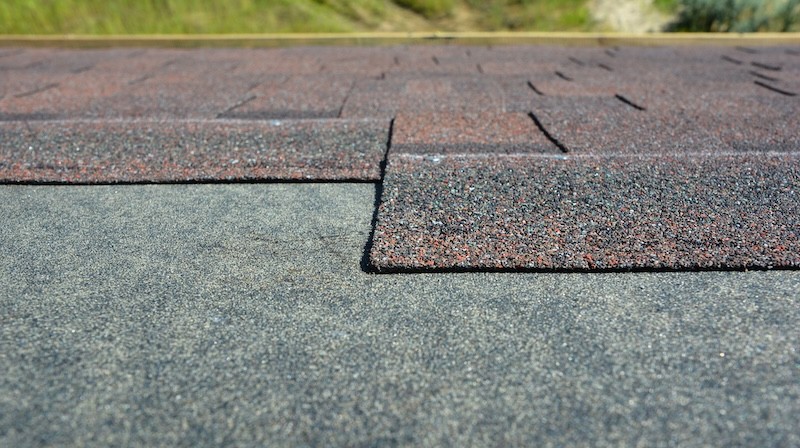
Roof underlayment is the layer of material installed directly on top of the roof decking and beneath the roof covering (shingles, tiles, or metal). The underlayment acts as a secondary barrier against water, ice, wind-driven rain, and other sources of moisture. It also contributes to thermal performance, temporary weather protection during installation, and overall durability. When Action Exteriors installs a new roof, we always choose a underlayment system appropriate for your house, climate, and the roof materials you select.
Think of roof underlayment as the unsung hero of your roofing system. While shingles shed water on the surface, the underlayment provides backup protection if water gets past the outer layer. If you want a roof that lasts, never skip the right underlayment and never let an installer substitute poor-quality materials, that’s a mistake Action Exteriors never makes.
The Role of Underlayment in Roof Longevity
A correctly installed roof underlayment:
- Acts as a waterproof secondary barrier
- Protects the roof deck during installation and extreme weather
- Helps prevent ice dam-related leaks when paired with an ice & water shield
- Reduces heat transfer when reflective or insulated underlayments are used
- Protects shingles from premature degradation
At Action Exteriors, we believe the underlayment strategy should be built around the unique design of your roof rather than forcing your roof to adapt to a generic approach. Every home is different, and each roof structure has areas that require special attention. Valleys, eaves, chimneys, and skylights are some of the most vulnerable points on any roof, and these areas must receive the correct type of underlayment and precise installation to prevent leaks over the long term. By tailoring the underlayment to the specific needs of your roof, our team ensures stronger water resistance, better durability, and long-lasting protection for your entire home.
Types of Underlayment (and When to Use Each)
Felt Underlayment (Traditional)
Felt, often called roofing felt, is an asphalt-impregnated paper product. Felt underlayment is still used on many homes, especially when budget is a primary concern. However, compared to modern options, felt underlayment is less resistant to moisture and UV exposure.
- Pros: Lower cost, widely available.
- Cons: Absorbs moisture over time; shorter life expectancy compared to synthetics.
- Use when: Working with a tight budget or temporary overlay; only if installed correctly and supplemented with modern solutions in critical areas.
Synthetic Underlayment (Modern Standard)
Synthetic underlayment is made from polymer-based fabrics that resist tearing, UV damage, and moisture. Many homeowners choose synthetic underlayment for the long-term performance gains.
- Pros: Durable, safer to walk on, better water resistance, longer service life.
- Cons: Higher upfront cost than felt, but often the best value over time.
- Use when: Installing architectural shingles, steep-slope roofs, or when you want the best long-term protection.
Ice and Water Shield (Rubberized, Self-Adhesive)
Ice & water shield is a self-adhesive underlayment used in eaves, valleys, around chimneys, and in areas prone to ice dams. It seals to the deck and prevents water that gets past shingles from migrating into the roof structure.
- Pros: Exceptional waterproofing and adhesion, essential in cold climates.
- Cons: Costs more per square foot; best used in critical areas rather than entire roofs unless required.
- Use when: Eaves, valleys, penetrations, and anywhere ice dams or wind-driven rain are likely.
Specialty & Reflective Underlayment
Some synthetic underlayment offers reflective or insulated properties intended to improve energy performance. These specialty underlayment products can reduce attic heat gain in very hot climates and may complement attic insulation strategies recommended by Action Exteriors.
How Proper Installation of Roof Underlayment Extends Roof Life
Even the best underlayment can fail if installed incorrectly. Proper installation is a craftsmanship issue: overlapping, nailing pattern, flashing integration, and substrate preparation all matter.
Key Installation Steps a Quality Roofer Follows
- Deck inspection: Confirm decking is dry, fastened, and free of rot.
- Cleaning: Remove debris and secure loose nails before underlayment.
- Starter strip and edge protection: Install drip edge and starter where needed.
- Ice & water shield in vulnerable areas: Use around eaves, valleys, and penetrations.
- Correct overlap: Follow manufacturer recommendations for horizontal and vertical overlap.
- Secure attachment: Use manufacturer-approved fasteners or adhesives.
- Immediate shingle installation: Avoid prolonged UV exposure of the underlayment and install shingles promptly.
Action Exteriors trains crews to follow these exacting steps. When we install underlayment, we document the process with photos, materials used, and details so homeowners have proof of a quality installation that supports warranty claims later.
Common Underlayment Mistakes and How to Avoid Them
Homeowners often assume underlayment is a small detail but that attitude leads to common errors:
- Reusing old underlayment: Always replace damaged or degraded underlayment when performing a tear-off.
- Insufficient ice & water shield: Skipping critical areas causes leaks during freeze/thaw cycles.
- Poor overlaps and nailing: Gaps and incorrect fasteners allow moisture intrusion.
- Prolonged UV exposure: Leaving the underlayment exposed during long project delays can degrade materials.
- Incorrect underlayment for roof type: Low-slope and steep-slope roofs need different materials.
To avoid these mistakes, insist on a detailed scope from your contractor. Action Exteriors provides written documentation and photographs so there’s no question about how the underlayment was installed.
How Underlayment Choice Affects Cost & Value
Underlayment costs vary by type. Felt is cheapest, but synthetic and specialty products add upfront cost with long-term value. Ice & water shield adds cost in critical areas but prevents catastrophic water damage.
Example Cost Considerations
- Felt: Lower price per square; shorter service life.
- Synthetic: Moderate premium with better durability.
- Ice & Water Shield: Higher per-foot cost, deployed selectively for best value.
When Action Exteriors provides a quote, we break out the roof underlayment costs separately so you can see the investment and the long-term benefits. Spending a little more on premium underlayment often saves far more in avoided repairs and extended lifespan.
Underlayment and Warranties: What Homeowners Need to Know
Manufacturer warranties often require specific underlayment materials or certified installation to remain valid. Workmanship warranties from the installer are also tied to proper underlayment installation. If you want a transferable warranty or enhanced coverage, ask your roofer to document the roof underlayment brand and installation method.
Action Exteriors registers manufacturer warranties when required and provides workmanship documentation. That means your roof underlayment purchase is backed by both product and installation records.
Maintaining Your Underlayment: Seasonal Checklist for Homeowners
Underlayment is mostly hidden, but maintenance of the visible roof and attic can protect it:
- Inspect attic for signs of moisture after storms.
- Clean gutters and downspouts to prevent water backup.
- Trim overhanging tree limbs that rub shingles and trap moisture.
- Schedule a professional inspection every 1–2 years with a quality roofer.
Action Exteriors offers inspection packages that check attic conditions, flashing seals, and the condition of your roof covering. All of which help protect the underlayment of your roof.
Frequently Asked Questions About Roof Underlayment
Q: How often should underlayment be replaced?
A: It depends on the underlayment type and roof condition. Typically, underlayment is replaced during a major roof replacement or if it shows signs of deterioration. Synthetic underlayments can outlast felt by many years.
Q: Does underlayment prevent all leaks?
A: No roofing system is completely leak-proof, but quality underlayment significantly reduces the risk of leaks and limits damage when the outer roof covering fails.
Q: Can I install underlayment myself?
A: DIY installation is possible, but it is easy to make mistakes that compromise performance. For peace of mind, homeowners hire a professional roofer like Action Exteriors to ensure the roof underlayment and all details are installed correctly.
Q: Should I use ice & water shield on my entire roof?
A: For most climates, ice & water shield is best used in critical areas (eaves, valleys, around penetrations) rather than covering the entire roof due to cost. However, in some cold climates or on very low-slope roofs, broader application is recommended. This is a decision Action Exteriors can help you make.

Real Homeowner Stories: How Proper Underlayment Prevented Major Damage
Case Study: How a Greenville Bungalow Avoided Ice Dam Damage
Problem: A bungalow in Greenville experienced repeated eave leaks after winter thaws. Solution: Action Exteriors installed a robust ice & water shield at the eaves and repaired ventilation to prevent future ice dams. Result: The homeowner reported no further eave leaks and improved attic temperature stability.
Case Study: How Synthetic Underlayment Increased Longevity in a Suburban Roof Replacement
Problem: A suburban homeowner wanted a roof that outperformed his previous installation. Solution: Recommended and installed premium synthetic roof underlayment, upgraded flashing, and high-grade shingles. Result: The roof system now has superior warranty support and improved durability.
These homeowner stories show that the right underlayment choices, combined with professional installation by Action Exteriors, lead to long-term performance and homeowner satisfaction.
Helpful Resources & Further Reading
For technical guidance and manufacturer recommendations, refer to these authoritative sources:
- GAF — Manufacturer guidance on underlayment and certifications
- Owens Corning — Underlayment product info
- EPA — Energy and roof guidance
These links are intended to provide additional technical context for homeowners researching roof underlayment.
Common Signs Your Roof Underlayment Is Failing
Many homeowners assume that if the shingles look intact, the roof is in good condition. However, the condition of your roof underlayment is just as important, and in many cases even more critical, for long-term protection. Because underlayment is hidden beneath the shingles, problems often go unnoticed until significant damage has already developed. Understanding the early warning signs can help you take action before a small issue turns into a costly repair.
1. Water Stains on Ceilings or Walls
One of the most common indicators of failing underlayment is moisture entering the home. Even if your shingles appear undamaged, weakened or deteriorated underlayment can allow water to seep through during storms. Discoloration on ceilings or walls should be addressed immediately with a professional inspection from Action Exteriors.
2. Mold Growth in the Attic
When underlayment loses its ability to act as a moisture barrier, humidity increases in the attic. This creates the perfect environment for mold and mildew. Homeowners may notice a musty odor, visible dark patches, or damp insulation. These signs often indicate that the roof underlayment may be compromised and needs to be evaluated promptly.
3. Peeling, Buckling, or Warped Shingles
If shingles begin to curl, wrinkle, or lift, it’s often a symptom of trapped moisture beneath the roofing surface. Since underlayment is designed to prevent this, visible shingle warping is frequently a clue that deeper damage exists. A trained expert from Action Exteriors can diagnose whether the issue stems from the shingles or the underlayment layer below.
4. Increased Energy Bills
A failing underlayment system affects more than just moisture control as it can also impact your home’s insulation and ventilation. Damaged or outdated underlayment may allow heat to escape in the winter and enter in the summer, forcing your HVAC system to work harder. If you suddenly notice unexplained increases in energy costs, the roof underlayment may be the underlying cause.
5. Visible Sagging in the Roof Deck
When moisture penetrates through compromised underlayment, it can reach the wooden roof deck, causing it to soften and sag. This is a severe structural concern that should never be ignored. Immediate assessment from Action Exteriors is crucial to prevent further damage and ensure your home remains structurally sound.
Staying aware of these warning signs helps homeowners take control of roof health before minor issues turn into major repairs. A strong, properly installed roof underlayment is essential for long-term performance, and partnering with Action Exteriors ensures your home receives the highest level of care and workmanship.

Homeowner Checklist: Choosing the Right Underlayment & Roofer
Use this checklist before you sign a contract:
- Ask the roofer what specific roof underlayment brand and product they will install.
- Require ice & water shield in vulnerable areas.
- Confirm the installer’s warranty and manufacturer warranty registration process.
- Request documentation and photos of the underlayment installation from Action Exteriors or your chosen roofer.
- Verify local licensing, insurance, and references.
Ready to Protect Your Home with the Right Roof Underlayment?
If you’re ready to upgrade or replace your roof with a system built to last, Action Exteriors is here to help. We evaluate your roof, recommend the correct underlayment for your home and climate, and document the entire installation so you have confidence in the workmanship and warranty.
Schedule a free roof inspection with Action Exteriors:
- Website: https://www.actionexteriors.com
- Facebook: Action Exteriors Greenville
- Instagram: @actionexteriorsgreenville
- Phone: (864) 432-1935
Tip: Save this page or download our checklist to review when you get quotes. The right roof underlayment, combined with a trusted installer like Action Exteriors, will protect your home for many years.
This homeowner guide was prepared to help you understand roof underlayment and the installation process. For tailored advice, contact Action Exteriors for a no-obligation inspection and honest recommendations for your roof.
Posted in