Roof Underlayment in DFW: 9 Things Homeowners Must Know to Protect Their Home
When you think of roofing materials, the first things that come to mind are usually shingles, tiles, or metal panels. But beneath the visible exterior lies one of the most critical components of any durable roofing system: the roof underlayment. For homeowners in Fort Worth and the broader DFW area, understanding what this foundational layer does, and why it matters, is essential to maintaining a resilient, long-lasting roof in a region known for unpredictable weather.
In North Texas, homes face scorching summer heat, high humidity, ice storms, and some of the most destructive hail events in the country. Because of these conditions, the quality and installation of a roof underlayment directly affects how well your roof withstands moisture, impact, and wind-driven rain. This guide will walk you through everything you need to know, including the different types of underlayment, common issues, local weather considerations, installation processes, and how to choose the right contractor.
Table of Contents
What Exactly Is Roof Underlayment?
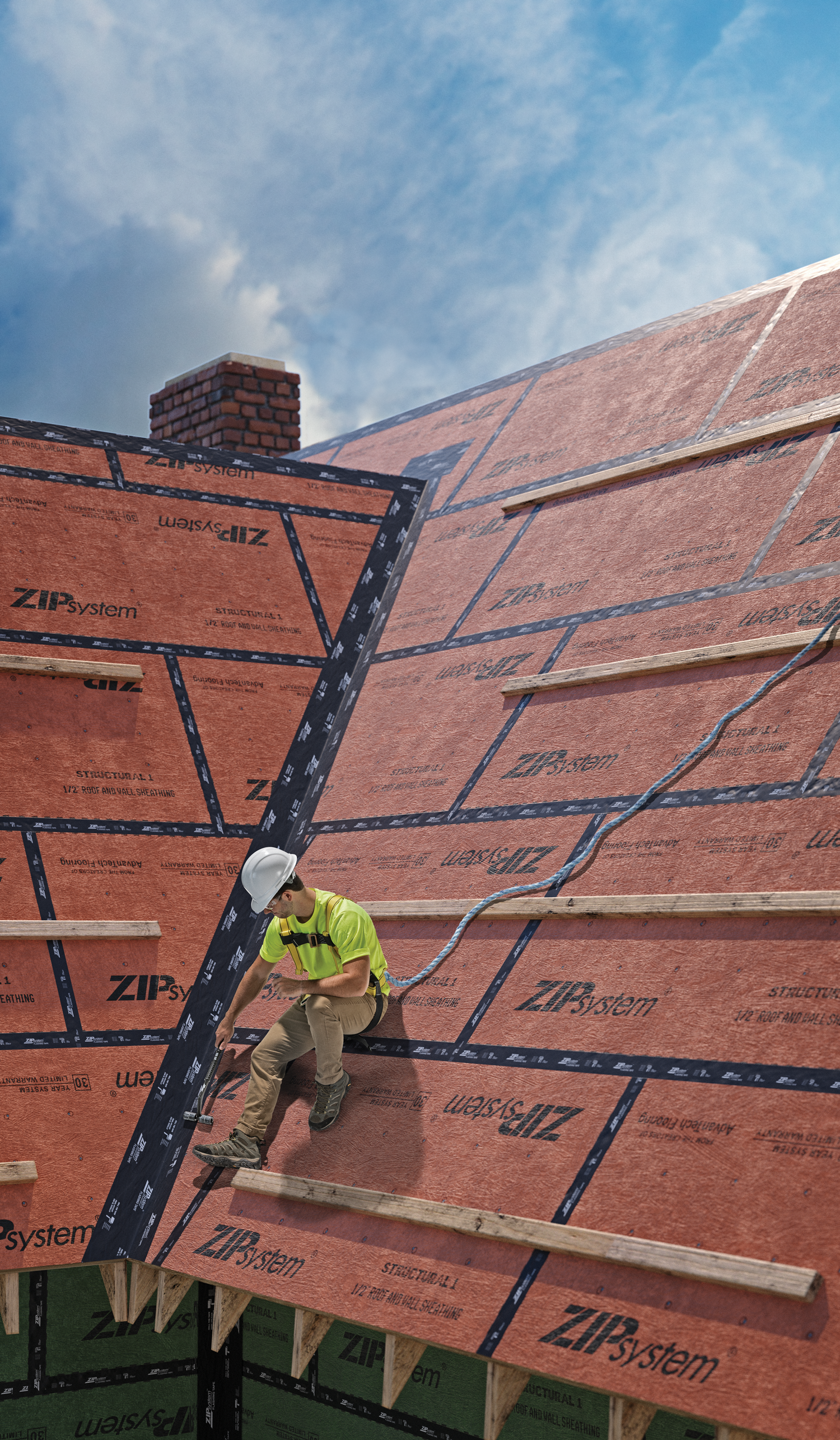
The roof underlayment is the protective barrier installed directly onto the roof deck before shingles or roofing tiles are placed. This layer serves as the final defense between the structural components of your home and the elements. While shingles provide the first line of protection, the underlayment plays a crucial supporting role by resisting moisture, preventing leaks, and offering an additional shield during storms.
In areas like Fort Worth, this layer is especially important since wind-driven rain can push water beneath shingles. Without a dependable protective barrier underneath, moisture can penetrate your roof deck, leading to rot, mold, and significant interior damage.
To learn more about scheduling a roofing inspection or replacement, you can visit our Fort Worth service page.

Types of Underlayment Used in DFW Roofing
There are several types of roof underlayment used today. Each has its advantages, applications, and performance levels, especially in climates with intense temperature changes like North Texas. Below are the three most common types. For homeowners considering premium upgrades, this guide to modern barrel tile roofing profiles provides an excellent look at how these materials perform in harsh climates.
1. Asphalt-Saturated Felt Underlayment
This traditional material has been widely used for decades. It is made of paper or fiberglass soaked in asphalt to add strength and water resistance. While it works well in many situations, it is less durable than modern alternatives and tends to degrade more quickly under UV exposure.
2. Synthetic Underlayment
Synthetic materials are now the industry standard for most professional roofing companies. Made from polymers, they offer significantly improved durability, tear resistance, and moisture protection. They also perform better in high-wind areas like DFW.
3. Rubberized Underlayment
This premium material provides exceptional waterproofing and is commonly used in valleys, around chimneys, and other high-risk areas. It features adhesive backing for a stronger seal. While more expensive, it provides unmatched protection against water infiltration.
For a deeper technical breakdown, reference the International Residential Code (IRC), which governs roofing installation requirements nationwide.
Why Roof Underlayment Matters So Much in DFW
The Dallas–Fort Worth region experiences some of the most severe weather fluctuations in the United States. Each of these weather patterns presents specific risks that make high-quality roof underlayment absolutely essential.
Extreme Summer Heat
Temperatures regularly surpass 100°F during the summer months. This intense radiation can cause roofing materials to expand and contract rapidly, accelerating their wear. A quality underlayment helps stabilize the roofing system by absorbing temperature-related stresses.
High Humidity and Moisture
The high humidity levels in Texas increase the likelihood of condensation forming underneath roofing materials. This makes a protective moisture barrier critical for preventing mold and wood rot. If you’re exploring different roofing styles or want color inspiration that pairs well with synthetic underlayment systems, this color guide offers excellent real-world examples.
Hail Storms
DFW sits within “Hail Alley,” and hailstorms are a major contributor to roof damage. When hail dislodges granules or cracks shingles, the underlayment becomes the next line of defense against leaking. High-performance products—especially synthetic materials—perform significantly better under impact conditions.
Winter Ice and Freeze Events
Occasional ice storms can create freeze–thaw cycles that cause water to penetrate improperly sealed areas. The right underlayment provides an important safeguard against these leaks.
The Role of Synthetic Felt Roofing in Modern Construction
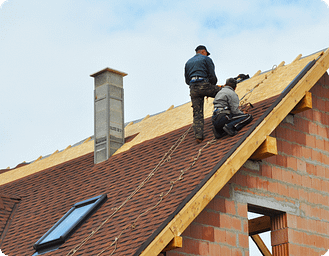
Modern roofing systems increasingly rely on advanced materials to provide better protection and longer service life. This is where synthetic felt roofing plays a significant role. Traditional felt materials simply cannot offer the same level of durability and resilience required in high-heat, high-wind areas like Fort Worth. Synthetic options deliver superior tear strength, moisture resistance, and weather durability. Homeowners interested in environmentally responsible materials can review this sustainability overview to see how modern roofing products support long-term efficiency.
These materials are also lighter and easier for installers to work with, reducing installation time and the chance of improper installation, a frequent cause of leaks and long-term roofing issues in older homes.
To request a professional consultation, visit our Fort Worth Roofing Services page.
How Roof Underlayment Prevents Water Damage
Water infiltration is one of the most common causes of roofing failure in Texas. The underlayment helps prevent this by forming a water-resistant membrane that protects the deck even when shingles are damaged or missing. In areas prone to harsh storms, this added protection is vital.
Common situations where this layer prevents leaks include:
- Wind-driven rain entering beneath lifted shingles
- Hail impact that cracks shingle layers
- Ice dams forming on roof edges
- Gutter overflow during flash flooding
Without a dependable barrier in place, even small gaps can result in significant interior damage. The underlayment also buys homeowners valuable time to schedule repairs without risking immediate structural harm.
Why Roof Underlayment Is the Most Critical Layer of Protection
When most property owners think about their roofing system, shingles or metal panels are usually the first components that come to mind. However, the true backbone of any long-lasting roof is the roof underlayment. This protective barrier sits directly between the decking and the outer roofing material, creating a crucial line of defense against moisture, wind, and temperature changes.
Modern roofing systems depend heavily on high-performance underlayment because it prevents water intrusion even when outer materials become compromised. Whether a storm lifts shingles, a branch punctures a panel, or ice dams form along the edges, a properly installed roof underlayment keeps the structure beneath protected. Without it, even minor roofing failures can quickly turn into costly leaks.
The Role Underlayment Plays in Roof Durability
- Moisture Protection: Underlayment blocks wind-driven rain, melting ice, and condensation from seeping into the roof deck.
- Temperature Regulation: Quality materials help reduce heat absorption and prevent excessive expansion and contraction.
- Added Strength: It reinforces the roofing structure and creates a smoother surface for shingle or metal installation.
- Leak Prevention: Even if the top layer becomes damaged, the roof underlayment buys valuable time before a leak develops inside the property.
Many commercial building owners choose synthetic underlayment because of its tear resistance, UV stability, and longer lifespan. However, felt and rubberized membrane underlayments each offer distinct advantages depending on the climate and roofing type. Working with an experienced contractor ensures the building receives the proper material for long-term protection.
Investing in quality roof underlayment is ultimately one of the smartest decisions a property owner can make. It strengthens the entire roofing system, improves lifespan, and provides an essential safety net when unexpected damage occurs.
Choosing the Right Roof Underlayment for Your Commercial Building
Selecting the correct roof underlayment is one of the most important decisions a commercial property owner can make. With so many roofing products on the market, each offering different levels of protection, weight, and durability, understanding the differences can help maximize the lifespan and performance of your roofing system.
Commercial roofs often face more intense weather conditions than residential structures due to their size, exposure, and building design. This makes underlayment selection even more critical. The right material will protect the roof from water infiltration, limit UV exposure, and reinforce the structure during extreme weather events.
Types of Roof Underlayment for Commercial Applications
- Synthetic Underlayment: Lightweight, tear-resistant, and ideal for high-traffic commercial jobs. Synthetic materials repel water and maintain structural integrity even in hot climates.
- Rubberized Asphalt Underlayment: Offers superior waterproofing and adheres directly to the decking, making it a leading choice for buildings with low-slope roofs or areas prone to heavy rainfall.
- Traditional Felt Underlayment: A cost-effective option for commercial properties that still provides reliable moisture protection for certain roofing systems.
When evaluating which roof underlayment is best, climate, roofing material, and building design should all be factored in. For example, properties in areas with extreme heat benefit from high-temperature–rated underlayment, while buildings in high-moisture regions may require a peel-and-stick membrane for maximum waterproofing.
Working with an experienced commercial roofing contractor is essential to ensure the building receives the correct underlayment grade. Proper installation is just as important as material selection, since even premium underlayments fail when installed without correct spacing, fastening, and sealing techniques. For those comparing premium roofing aesthetics, this Old World Slate option offers a durable, impact-resistant alternative that pairs well with high-grade underlayment systems.
With the right roof underlayment, commercial building owners can substantially extend the lifespan of their roof, reduce long-term repair costs, and achieve greater structural protection year-round.
The Long-Term Value of Regular Roof Inspections in DFW
Regular inspections are one of the most effective ways to extend the life of roof underlayment and prevent unexpected damage. Homes in Fort Worth and the surrounding DFW area face a wide range of weather that can cause hidden issues. Small problems that are easy to fix can become major repairs if they go unnoticed. A professional inspection allows roofing experts to identify early signs of damage and recommend the right solutions before they become expensive.
Many homeowners assume that if they do not see leaks, their roof is in good condition. However, underlayment damage often occurs long before water enters the home. Cracks, tears, moisture pockets, and areas of weakened material may exist beneath the surface. These issues develop slowly and can spread during storms or high winds. Regular inspections help catch these problems early, especially after hailstorms.
Another major advantage of inspections is the opportunity to evaluate ventilation, attic moisture, and deck condition. These areas contribute directly to the performance of the underlayment. When ventilation is inadequate, heat and moisture can build up beneath the roof, causing premature deterioration. Inspections allow contractors to identify ventilation problems and recommend improvements that protect the entire roofing system.
Inspections also provide homeowners with documentation that may be required for warranty coverage. Many manufacturers require proof of maintenance to keep warranties valid. Neglecting inspections can result in warranty claims being denied, even if the material itself failed. This makes regular checkups an important part of protecting your investment.
For aging roofs, inspections become even more important. As materials age, they become more vulnerable to weather changes and storm impact. Routine assessments help determine when repairs, reinforcements, or replacements are necessary. This gives homeowners time to budget and plan, rather than facing unexpected emergencies.
Scheduling inspections twice per year is ideal for most homes in the DFW area. Professional contractors can provide detailed reports, photos, and recommendations. These insights help homeowners make informed decisions and ensure that their roofing system provides dependable protection for years to come.
Installation Best Practices for DFW Homes
Even the highest-quality product will fail if installed improperly. North Texas homes require installation practices tailored to the region’s weather challenges. Here are the standards that reputable contractors follow:
- Ensure clean, dry decking before installation
- Use proper fasteners to prevent blow-off
- Seal valleys and protrusions with enhanced materials
- Overlap layers properly to shed water downhill
- Install drip edges in accordance with local code
- Use supplemental waterproofing at eaves and low-slope areas
Want to see how our team handles local roofing installations? Visit our About Us page for more information on our process.
Comparing Material Options for DFW Homes
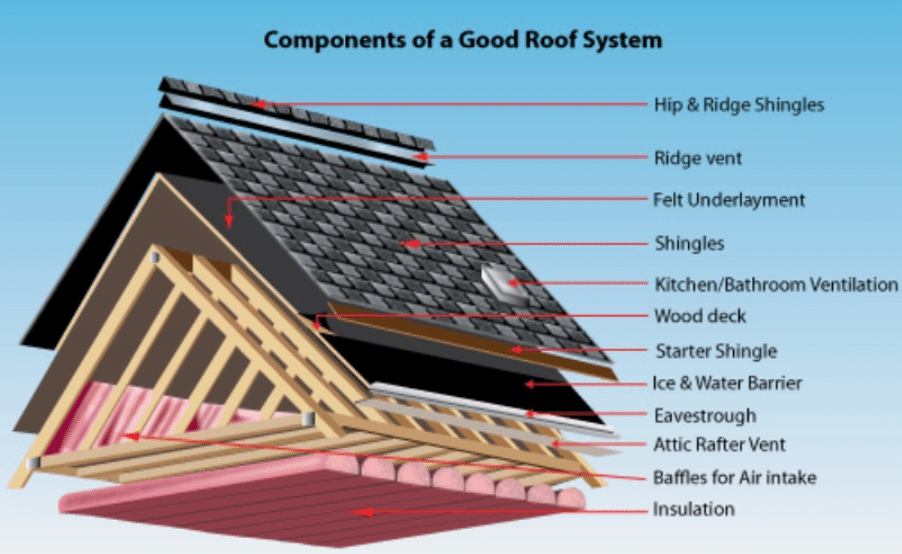
Below is a simple comparison table outlining the strengths and weaknesses of commonly used materials in the region. This table is especially useful for homeowners considering a full replacement. If you prefer a natural, wood-style appearance, this synthetic cedar shake option shows how advanced materials can elevate durability without sacrificing curb appeal.
| Material Type | Durability | Moisture Resistance | Wind/Hail Performance | Cost Level |
|---|---|---|---|---|
| Traditional Felt | Moderate | Low–Moderate | Low | $ |
| Synthetic | High | High | High | $$ |
| Rubberized | Very High | Excellent | Very High | $$$ |
How Long Will Underlayment Last in DFW?
Under standard conditions, homeowners can expect 20–30 years of performance. However, longevity depends on several variables:
- Material quality
- Installation practices
- Roof ventilation
- Exposure to extreme weather
In the DFW climate, high heat accelerates aging, and more frequent hailstorms may reduce overall life expectancy. Scheduling regular roof inspections helps ensure issues are caught early.
You may schedule an inspection through our Fort Worth roofing appointment page.
Common Underlayment Issues Found in North Texas Roofs
Homeowners often don’t realize their roofing system has underlayment issues until a leak develops. Below are some of the most common concerns found in local homes:
- Tearing due to high winds
- Water absorption from poor ventilation
- UV exposure from missing shingles
- Improper fastening
- Under-lapping rather than over-lapping materials
Addressing these issues early can prevent more expensive repairs in the future.
Signs You May Need New Underlayment
These symptoms suggest it’s time to have your roof inspected:
- Interior leaks during storms
- Visible sagging or softness in roof decking
- Shingle granule loss
- Mold or mildew in the attic
- Cracked or curling shingles
If you are unsure whether your roof requires replacement or repair, consult a roofing expert immediately. Early action helps prevent structural damage.
FAQ: Roof Underlayment for DFW Homes
Is synthetic better than felt?
In almost all modern roofing applications, synthetic materials provide superior weather resistance, strength, and longevity.
How much does underlayment cost?
Prices vary depending on material and roof size, but synthetic options offer excellent value due to their longer lifespan and better performance in Texas weather.
Does the building code require this material?
Yes. According to the IRC guidelines, every residential roof must have an approved underlayment system.
Local Weather Threats and Underlayment Performance in DFW
North Texas experiences more than 35 hail days per year on average, according to the National Weather Service. These storms produce high-velocity impacts that can damage shingles and compromise the moisture barrier underneath.
Wind-related issues are another major threat. The Metroplex frequently experiences wind gusts above 60 mph, especially during spring storms. These winds can lift, crease, or remove shingles entirely. When this happens, the layer below becomes your home’s primary protection, preventing water from entering the attic and interior spaces.
This section also highlights the impact of rapid weather shifts, where roofs can cycle between high heat and sudden cold fronts. These patterns increase material stress and can lead to premature wear. Investing in durable materials helps mitigate these problems.
Choosing the Right Roofing Contractor in DFW
Homeowners should be selective when choosing a roofing professional. The right contractor ensures correct installation and offers warranties to protect your investment. Look for:
- Local experience with DFW weather patterns
- Transparent estimates
- Proper licensing and insurance
- Verified reviews
- High-grade materials from trusted manufacturers
Action Exteriors provides professional installation and repair services throughout the Metroplex. Visit our Fort Worth roofing page to learn more or request a quote.
Final Thoughts
Roofing systems in DFW must withstand challenging weather conditions, making high-quality materials and precise installation essential. Whether you are repairing damage or building a new structure, investing in dependable materials helps prevent expensive repairs. Understanding the role of these protective layers allows homeowners to make informed decisions and ensure their roofing system performs well for years to come.
To preview how different roofing materials will look on your home before installation begins, you can use this interactive roof visualizer tool. For an expert consultation or to schedule an inspection, contact Action Exteriors through our Fort Worth service portal.
Posted in