Composite Siding: 6 Smart Reasons DFW Homeowners Are Moving Beyond Fiber Cement
Table of Contents
While James Hardie fiber cement siding remains an exemplary industry standard and was famously championed by Chip and Joanna Gaines on Fixer Upper for its classic, timeless appeal, the landscape of home exteriors has continued to evolve. For years, Hardie board has been a go-to choice for durability and curb appeal, particularly for homeowners seeking a traditional look with proven performance.
Today, knowledgeable siding professionals still recognize Hardie board’s strong position in the market. However, they also acknowledge that modern innovations have raised the bar. Advanced options such as ASCEND Composite Cladding and Craneboard Solid CoRe Siding represent the next generation of composite siding, offering homeowners improved performance without sacrificing aesthetics. These products are engineered to deliver lower maintenance requirements, enhanced energy efficiency, greater comfort, and improved moisture resistance compared to fiber cement, while closely matching the look of painted wood or Hardie-style lap siding.
As a result, more Dallas-Fort Worth homeowners are choosing advanced composite siding solutions that align with long-term durability goals and busy lifestyles. These modern materials deliver a smarter balance of beauty, performance, and efficiency, which is why the shift toward composite siding continues to accelerate across North Texas. Homeowners who work with established, GAF-certified contractors such as Action Exteriors Fort Worth gain the added confidence of professional installation, manufacturer-aligned standards, and a commitment to long-term exterior performance.
1. Thermal Bridging: Beating the Texas Heat
Most homes rely on fiberglass batt insulation placed between wall studs. However, the wall studs themselves, which make up nearly 25 percent of the exterior wall area, are typically uninsulated. These unprotected framing members create what are known as thermal bridges. Thermal bridging allows heat to transfer directly through the wall system, moving into the home during the summer and escaping during the winter. The result is reduced comfort, higher energy usage, and increased strain on heating and cooling systems.
Traditional fiber cement siding is a thin, dense material that provides little to no resistance against thermal bridging. While it offers durability and aesthetics, it does not contribute meaningfully to insulation performance. In contrast, modern composite siding systems such as ASCEND Composite Cladding and Craneboard Solid CoRe Siding are engineered to address this exact weakness. ASCEND provides an insulating value of approximately R-2.0, while Craneboard offers an even higher insulating performance of R-4.0 or greater, helping to create a continuous thermal barrier on the exterior of the home.
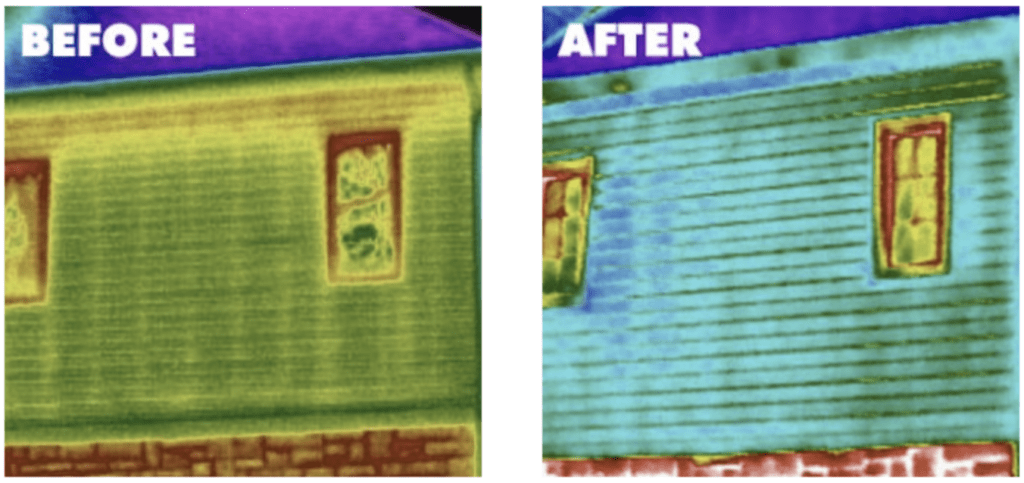
A helpful way to visualize the difference is through a clothing analogy. Fiber cement siding is similar to wearing a thin t-shirt. ASCEND composite siding is more like a heavy sweatshirt, offering noticeable warmth and comfort. Craneboard composite siding functions like a mountaineering parka, delivering maximum insulation and protection. Thermal imaging clearly demonstrates this performance gap. Homes clad in fiber cement often show visible heat loss through wall studs, while homes protected by Craneboard composite siding display a far more uniform temperature profile, indicating significantly improved heat retention and energy efficiency.
2. Noise Transmission
Because fiber cement siding is thin and rigid, sound waves easily strike the surface and transfer vibrations directly through the board into the wall studs. Without any cushioning or sound-absorbing layer, fiber cement provides very little resistance to noise transmission. This means exterior sounds such as traffic, neighbors, construction, or outdoor activity can pass through the wall system with minimal reduction.
In contrast, modern composite siding systems like ASCEND Composite Cladding and Craneboard Solid CoRe Siding are engineered with specialized composite or foam backing. This backing acts as a decoupling layer that captures and dissipates sound energy before it reaches the wall framing. By interrupting the vibration path, composite siding significantly reduces the amount of noise that enters the home.
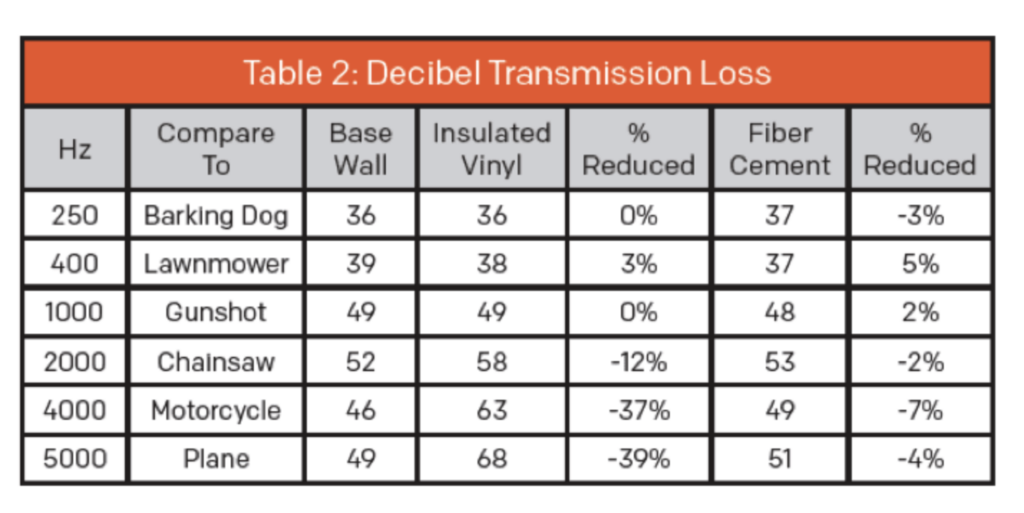
Independent testing has shown that insulated siding systems can reduce perceived noise levels up to eight times more effectively than fiber cement products. Craneboard composite siding stands out as the most effective option currently available, with performance ratings showing it can reduce exterior noise by as much as 45 percent. For homeowners seeking a quieter, more comfortable living environment, composite siding delivers a noticeable upgrade in sound control alongside its durability and energy efficiency benefits.
3. Maintenance: Permanent Beauty vs. Perpetual Painting
Fiber cement siding is often described as low maintenance, but it is not maintenance free. One of the largest long-term expenses associated with fiber cement is repainting. Paint performance varies widely depending on color choice, sun exposure, and paint quality. Darker colors and lower-quality paints tend to fade faster, and in North Texas we commonly see fiber cement siding require repainting in as little as three to five years. These recurring repainting cycles add significant cost, inconvenience, and disruption over time.
Modern composite siding products such as ASCEND Composite Cladding and Craneboard Solid CoRe Siding are designed to dramatically reduce this maintenance burden. These systems incorporate advanced UV inhibitors directly into their factory-applied finishes. Technologies like Westlake Royal’s Chromatix help stabilize color at the material level, significantly limiting fading when compared to traditional painted fiber cement or standard vinyl siding. As a result, composite siding maintains its appearance for far longer, allowing homeowners to enjoy lasting curb appeal without the recurring expense and hassle of frequent repainting.
4. Hail Resistance and Wind Load
Most traditional vinyl siding products are not engineered to withstand severe weather conditions. They can crack, warp, or detach under high winds and are especially vulnerable to hail impact. In storm-prone regions like Dallas-Fort Worth, this lack of impact and wind resistance often leads to repeated repairs, loose panels, and diminished curb appeal after major weather events.
By comparison, higher-performance siding options such as James Hardie fiber cement, ASCEND Composite Cladding, and Craneboard Solid CoRe Siding are specifically designed to perform in extreme conditions. These products are rated to withstand Hurricane Category 5 wind speeds exceeding 157 miles per hour when properly installed. In addition, both ASCEND and Craneboard composite siding systems offer enhanced impact resistance and manufacturer-backed replacement provisions if hail damage occurs. This level of durability provides homeowners with greater confidence that their exterior cladding will remain intact, secure, and attractive even after severe storms.
For homeowners seeking a siding solution that delivers strength, reliability, and long-term performance in North Texas weather, composite siding offers a significant upgrade over traditional vinyl alternatives.
5. Installation Speed and Accuracy
Many contractors are experienced in installing fiber cement siding, but there is no avoiding the inherent challenges of the material. Fiber cement is heavy, rigid, and brittle, which makes handling and installation more labor-intensive. Cutting the boards requires specialized saw blades and strict safety procedures due to silica dust, and precise craftsmanship is needed to align each board correctly before fastening. These factors can slow installation and increase labor costs.
By comparison, modern composite siding systems such as ASCEND Composite Cladding and Craneboard Solid CoRe Siding are significantly lighter and easier to work with. These products are designed with self-aligning features and require fewer fasteners, which helps ensure consistent spacing and a clean finished appearance. Faster, more efficient installation reduces overall labor costs and minimizes the amount of time your home is exposed to weather during the renovation process. For homeowners, this means less disruption, quicker project completion, and a more predictable installation experience.
6. Installation and Structural Impact
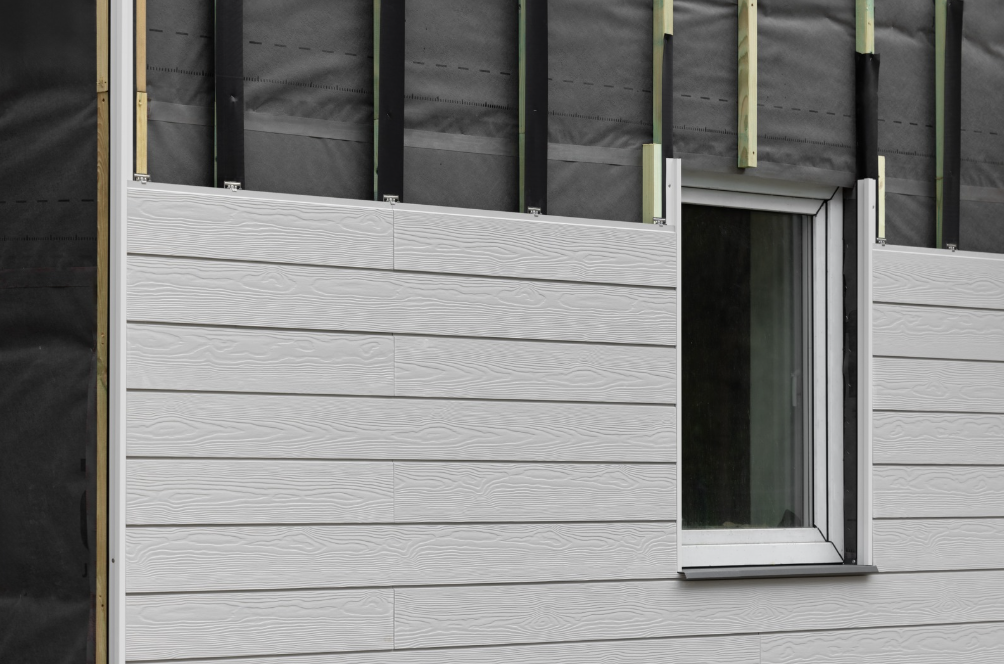
Installing fiber cement siding is often an invasive process that requires the complete removal of existing exterior materials. This full tear-off approach can lead to additional complications, including internal cosmetic damage such as drywall cracks or nail pops caused by the force required to remove the old siding. The process also increases labor time, job site mess, and overall disruption to the household.
In contrast, modern composite siding systems like ASCEND Composite Cladding and Craneboard Solid CoRe Siding are designed to support retrofit installation methods. In many cases, only damaged or compromised sections of the existing exterior need to be removed. The new composite siding can then be installed over the remaining structure, creating a clean, efficient transition. This approach reduces disruption, shortens installation timelines, and minimizes the risk of interior damage while still delivering improved performance, durability, and long-term protection for the home.
The Verdict: A Sophisticated Investment
James Hardie remains a venerable and well-respected standard within the siding industry, backed by strong brand recognition, proven durability, and widely appreciated aesthetics. For many years, fiber cement has been viewed as the benchmark for exterior cladding, particularly for homeowners seeking a classic, high-end appearance.
That said, advancements in material technology have introduced modern alternatives that deserve serious consideration. Today’s composite siding solutions offer a strategic evolution in exterior design by addressing some of the limitations associated with fiber cement. For Dallas-Fort Worth homeowners, composite siding provides meaningful advantages in long-term maintenance, energy efficiency, interior comfort, and overall performance, while still delivering the same architectural look and curb appeal. As a result, more homeowners are evaluating composite siding as a forward-thinking option that aligns better with modern living and long-term ownership goals.
Ready to Upgrade Your DFW Home?
Our siding professionals at Action Exteriors Fort Worth are here to help you confidently choose the best exterior solution for your home. We take the time to evaluate your existing siding, discuss your goals, and explain the performance differences between fiber cement and advanced composite siding options like ASCEND and Craneboard.
During your free design consultation, you will receive expert guidance, clear recommendations, and transparent pricing with no pressure or obligation. Whether your priority is durability, energy efficiency, comfort, or long-term value, our team will help you select a siding system that fits your home and lifestyle. Homeowners consistently choose Action Exteriors Fort Worth for this consultative approach and high level of service, as reflected in verified customer reviews from local homeowners. Learn more about Action Exteriors Fort Worth and verified homeowner reviews here.
Book Your Free Design Consultation Today and discover how upgrading your siding can improve comfort, reduce maintenance, and enhance curb appeal for years to come!
Frequently Asked Questions for DFW Homeowners
Is fiber cement still a good siding option?
Fiber cement remains a well-respected and durable siding material with strong brand recognition, especially for homeowners who prefer a traditional look. However, newer siding technologies have introduced alternatives that address some of fiber cement’s limitations related to insulation, maintenance, and comfort, which is why many homeowners are now exploring upgraded options.
Why are more DFW homeowners choosing newer siding materials?
North Texas weather is demanding, with extreme heat, hail, and high winds. Many homeowners are looking for exterior products that reduce maintenance, improve comfort, and perform better in severe conditions. Advanced siding materials offer improved insulation, better sound control, and enhanced durability compared to traditional options.
How do modern siding systems help with heat and energy efficiency?
Traditional siding materials provide little resistance to thermal bridging through wall studs. Insulated siding systems help create a continuous thermal barrier on the exterior of the home, reducing heat transfer and improving interior comfort during hot summers and cold winters. This can also help lower energy usage over time.
Can upgraded siding reduce outside noise?
Yes. Siding systems that include insulated or composite backing can significantly reduce noise transmission. By absorbing sound vibrations before they reach the wall framing, these products help create a quieter indoor environment, especially in neighborhoods with traffic, construction, or nearby activity.
How much maintenance should homeowners expect?
Fiber cement siding typically requires repainting every few years due to sun exposure and fading. Newer siding materials use factory-applied finishes with UV inhibitors that help preserve color and reduce the need for repainting, saving time and long-term maintenance costs.
How well do modern siding options perform in storms?
High-performance siding products are designed to withstand severe weather, including high winds and hail. Many are rated for hurricane-level wind speeds when properly installed and offer enhanced impact resistance, making them well suited for storm-prone areas like Dallas-Fort Worth.
Is installation less disruptive than traditional siding?
In many cases, yes. Some newer siding systems allow for retrofit installation, meaning only damaged areas need to be removed before the new material is installed. This reduces construction time, limits disruption, and minimizes the risk of interior cosmetic damage.
Is composite siding worth considering?
For homeowners planning to stay in their home long term, composite siding can be a strong investment. It offers a combination of durability, insulation, low maintenance, and long-term performance that aligns well with the needs of North Texas homeowners.
Who should install my new siding?
Choosing the right installer is just as important as choosing the right material. Working with an experienced local contractor ensures proper installation, manufacturer compliance, and long-term performance of your siding system.
Posted in