Impact Resistant Shingles: 14 Smart Reasons DFW Homeowners Choose Class 4
Impact resistant shingles are a popular choice for homeowners in hail-prone areas like Dallas-Fort Worth. When you invest in Class 4 shingles backed by UL 2218 certification, you’re buying extra insurance against hail, wind, and storm damage, but the benefits go beyond that. From fewer repairs and longer roof life to potential insurance savings, Class 4 shingles can deliver real long-term value, especially if you stay in your home for several years. This guide walks you through everything you need to know to decide whether upgrading to Class 4 is worth it.
Table of Contents
What “Impact Resistant Shingles” and “Class 4 Shingles” Really Mean
Standard vs. Impact-Resistant: Regular asphalt shingles may handle mild weather, but severe hailstorms can crack or perforate them. Impact resistant shingles are engineered to better withstand high-force impacts.
UL 2218 Testing Standard: The common industry test is UL 2218, developed by Underwriters Laboratories (UL). Products are rated from Class 1 (least impact resistance) to Class 4 (highest) based on steel-ball drop tests. A 2-inch steel ball is dropped from 20 feet; if the shingle shows no cracks or ruptures, it earns the Class 4 rating.
What the Rating Covers — and What It Doesn’t: Passing UL 2218 means the shingle resisted a standardized, controlled impact — but it doesn’t guarantee “hailproof.” Real hail can be irregular, wind-driven, and repeated. Even Class 4 roofs may suffer granule loss or cosmetic damage under extreme conditions.
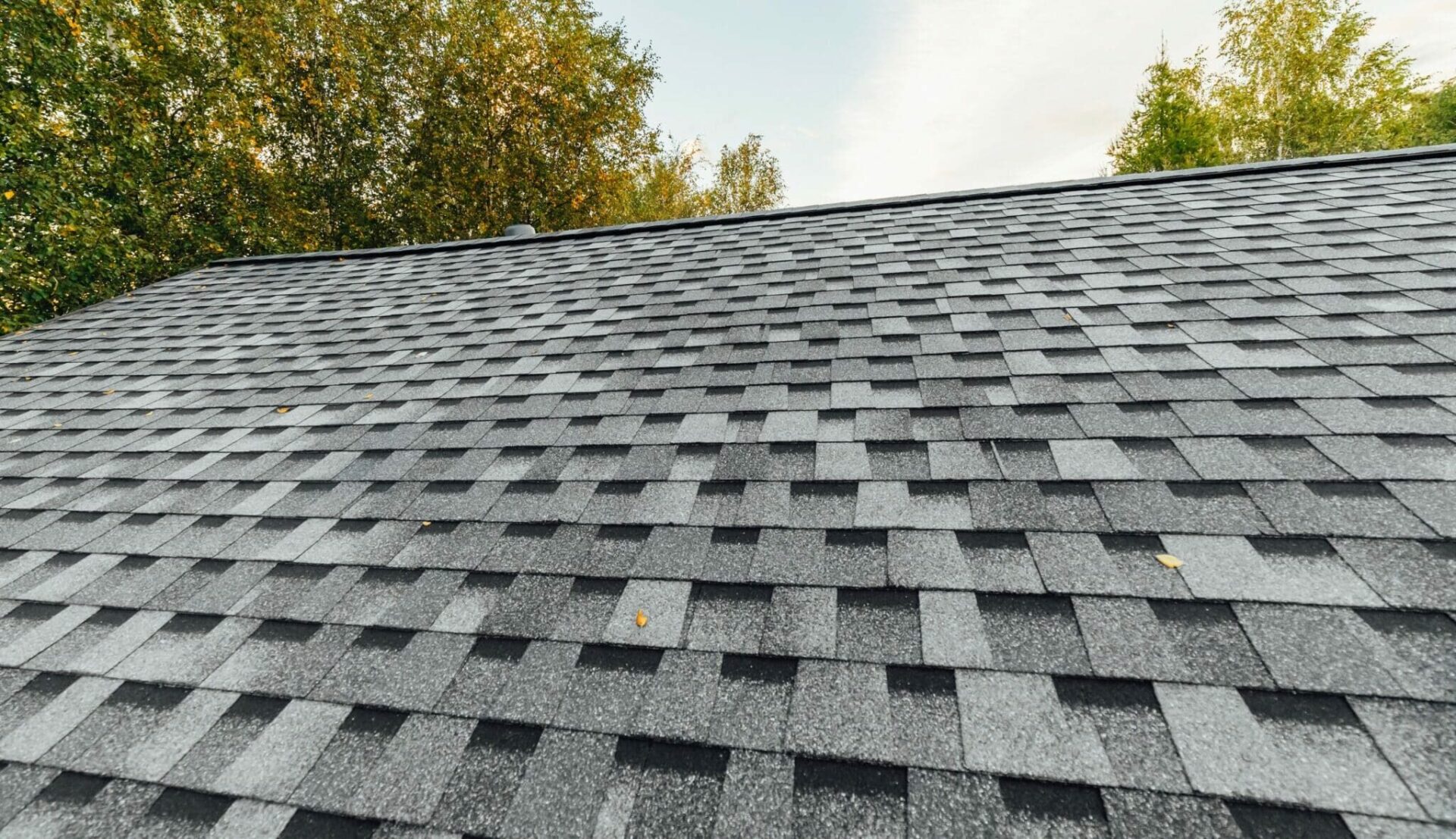
1. Better Protection in Hail-Prone DFW
- Lab-tested strength: Class 4 shingles withstand the steel-ball test, giving them a built-in buffer against many hail events.
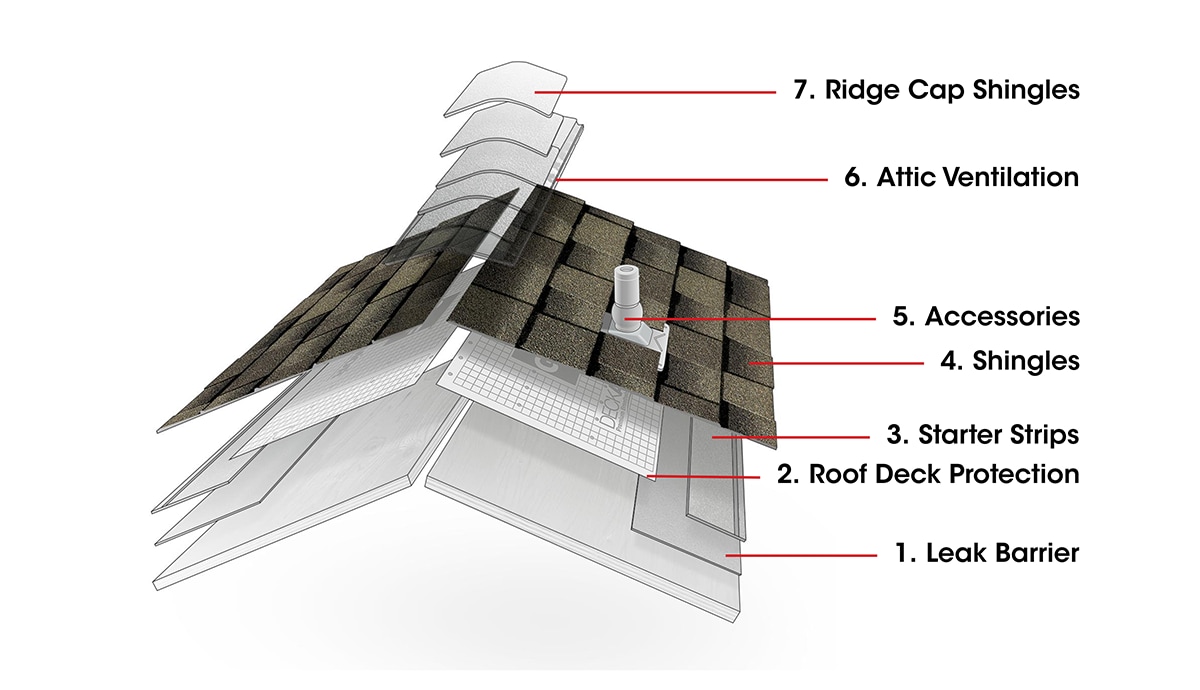
- Real-world resilience: Because of their reinforced structure, often using SBS-modified asphalt or reinforced backing materials, these shingles resist cracking, tearing, and water intrusion better under impact.
- Fewer hail-related repairs: Roofs built with impact resistant shingles generally require fewer repairs after storms compared to standard shingles.
For a homeowner in DFW, this protection can mean the difference between a $2,000 repair and a full roof replacement after a damaging hail event.
2. Long-Term Value: Lifespan, Durability, and Fewer Replacements
Though Class 4 shingles cost more upfront than standard shingles, their durability offers long-term returns:
- Extended lifespan: Polymer-modified asphalt and reinforced backing materials significantly reduce the risk of common failure modes (cracking, granule loss, wind-driven damage).
- Better resistance to wind and storms: Class 4 shingles are engineered to handle not only hail but also other severe weather — heavy rains, high wind gusts, and temperature swings.
- Reduced long-term costs: Fewer repairs and delayed need for full replacement can save thousands over decades.
If you plan to stay in your house 10+ years, upgrading to Class 4 often makes sense financially, especially in a high-risk storm area like DFW.
3. Insurance Premium Discounts & Lower Risk for Insurers
Because Class 4 roofs reduce the odds of hail-related claims, many insurers offer incentives:
- Potential discounts: Some companies offer premium reductions or deductible incentives for homes with verified impact resistant shingles.
- Lower claim frequency: A stronger roof often means fewer claims over time, a big plus when insurers analyze risk profiles.
Note: Discounts and savings vary by insurance company and policy. Always confirm before upgrading.

4. When Class 4 Might Not Be Worth the Extra Cost
Impact resistant shingles are not a magic bullet. Consider these caveats:
- Cost premium: Class 4 materials + installation typically run 30–60% more than standard shingles due to heavier materials and more complex installation. Source
- Not hail-proof: UL 2218 testing uses smooth steel balls, not jagged or wind-driven hail. Extreme storms may still damage even Class 4 roofs.
- Installation matters: Improperly installed impact shingles, wrong nails, poor flashing, missing underlayment, can negate their benefits.
If you expect to sell in a few years or your roof is relatively new, the extra upfront cost may not pay off.
5. Comparing Popular Class 4 Shingles & What to Ask Your Roofer
| Brand / Line Example | Materials & Reinforcement | Warranty / Notes |
|---|---|---|
| GAF Timberline Impact / ArmorShield | SBS-modified asphalt, reinforced fiberglass backing | Lifetime limited warranty (manufacturing defects) Source |
| Owens Corning Duration FLEX Impact | Polymer-modified asphalt shingles, impact-resistant backing | 25–30 year warranty (manufacturer defects) |
| Various premium Class 4 lines (CertainTeed, Malarkey, etc.) | Impact-resistant composition, specialized overlay/backing | Varies by manufacturer — always request UL 2218 certification |
Note: Costs for these shingles and installations vary. Always get a detailed quote and ask for UL 2218 certification before committing.
Homeowners can also explore material and color inspiration to see how different roofing styles might complement their home before choosing Class 4 shingles.
6. Realistic Expectations: What Class 4 Shingles Do — And Don’t — Guarantee
- Resist cracking from hail up to test limits (2″ steel ball at 20 ft)
- Provide better durability vs. standard shingles
- Reduce frequency of hail-related claims & repairs
- May qualify for insurance discounts or lower future premiums
- Do not guarantee immunity from large or irregular hail, wind-driven hail, or repeated impacts
- Do not eliminate all leak or damage risk (flashing, vents, gutters remain vulnerable)
- Do not replace good roof maintenance
7. Is Class 4 the Right Choice for You? Decision Checklist
- You live in a hail-heavy area like Dallas–Fort Worth
- You plan to stay in your home for 10+ years
- You have a high deductible on your insurance or anticipate future claims
- You want maximum longevity with minimal storm-related surprises
- You are okay paying more upfront for long-term value
If you answered “yes” to most points, Class 4 is likely worth it. If not, consider Class 3 or standard shingles. This visualizer tool can help you preview Class 4 shingles and alternative roofing materials on your own home, making it easier to compare options before installation.
8. Why Many DFW Homeowners Trust Action Exteriors Fort Worth
At Action Exteriors Fort Worth, we specialize in helping homeowners decide whether impact resistant shingles are right for them. Our services include:
- Free roof inspections and storm-damage assessments
- UL 2218 Class 4 shingle installation options
- Insurance claim support and documentation
- Transparent cost comparisons between standard and impact-resistant installations
Ready to protect your home from hail, wind, and time?
Schedule your free inspection today
9. Cost Breakdown: What You Actually Pay for Class 4 shingles
Before upgrading, it’s helpful to understand how pricing for Class 4 shingles compares to standard shingles. While these roofing systems cost more upfront, the long-term benefits often outweigh the initial investment for DFW homeowners.
- Material Costs: Impact-resistant shingles usually cost 30–60% more than architectural shingles because of enhanced reinforcement and SBS-modified asphalt.
- Labor Costs: Installation requires longer prep time, stronger underlayments, and precise fastening, slightly increasing labor pricing.
- Insurance Savings: Some homeowners see premium reductions after installing Class 4 shingles, which helps offset cost.
- Fewer Repairs: After DFW hailstorms, many homeowners with Class 4 roofs avoid expensive repairs that standard roofs cannot escape.
To get an accurate quote or learn if your home qualifies for Class 4 discounts, schedule a consultation at our Fort Worth contact page.
10. How Class 4 shingles Compare to Metal & Tile Roofs
Homeowners often ask whether impact-resistant asphalt shingles outperform metal or tile roofs. The answer depends on your goals, budget, and long-term plans. Here’s how Class 4 shingles stack up against other premium systems:
| Roof Type | Pros | Cons |
|---|---|---|
| Class 4 Asphalt Shingles | Affordable, great hail resistance, aesthetic variety, quick installation. | Still vulnerable to the most severe, wind-driven hail. |
| Metal Roofing | Highly durable, long lifespan, energy efficient. | Can dent in severe hail; much higher upfront cost. |
| Tile Roofing | Long lifespan, great for hot climates. | Heavy, expensive, brittle under large hail impacts. |
For most DFW homeowners, Class 4 shingles offer the best balance of cost, durability, and storm protection, specially given our region’s frequent hail events. For homeowners considering premium roofing upgrades alongside Class 4 shingles, curved barrel tiles provide an alternative style with durable storm-resistant performance. For those seeking a long-lasting, classic aesthetic, Old World slate provides insight into how premium materials compare to Class 4 shingles in terms of durability and storm resistance. Cedar shake roofing is another alternative for homeowners exploring the balance between style, durability, and potential insurance considerations
11. Maintenance Tips to Extend the Life of Class 4 shingles
Although Class 4 shingles are built for maximum durability, proper maintenance ensures you get the longest possible lifespan from your roof.
- Annual Roof Inspections: Schedule at least one inspection per year, twice if your neighborhood experiences heavy storms.
- Clean Gutters & Downspouts: Clogged gutters cause water backup and can shorten the life of any roof system.
- Trim Overhanging Branches: Tree limbs can scrape granules off shingles or fall during storms.
- Check Flashing Zones: Around chimneys, skylights, and vents, these areas should be inspected more often.
- Use a Professional Roofer: DIY repairs can void warranties on many Class 4 shingles.
If damage ever occurs, contact Action Exteriors Fort Worth for expert storm assessments.
12. How Class 4 Shingles Improve Energy Efficiency
One of the often-overlooked benefits of Class 4 impact resistant shingles is improved energy efficiency. Although these shingles are primarily designed for hail and storm protection, their composition and reflective qualities can reduce heat absorption and help maintain more stable indoor temperatures in Dallas–Fort Worth homes. Many Class 4 shingles are designed with granules that reflect ultraviolet rays, keeping your attic and living spaces cooler during hot Texas summers. Over time, this can lead to noticeable reductions in cooling costs.
Heat reflection also prolongs the life of your roofing materials. Excessive heat can accelerate shingle degradation, causing premature cracking, granule loss, and reduced impact resistance. By using reflective Class 4 shingles, you are protecting your roof from both environmental wear and storm damage. This is particularly important in DFW, where summer temperatures regularly exceed 100 degrees Fahrenheit and intense sunlight can accelerate asphalt breakdown. Some homeowners prioritize eco-friendly roofing solutions, and sustainable tiles can complement the energy efficiency benefits of Class 4 shingles.
Homeowners can maximize the energy benefits by pairing Class 4 shingles with proper attic ventilation and insulation. Balanced airflow ensures that hot air does not build up under the roof deck, while insulation minimizes heat transfer into living areas. Combined, these strategies improve overall energy efficiency and can result in lower utility bills year-round. Energy Star-rated Class 4 shingles provide an added layer of certification that your roof contributes to energy savings.
Another consideration is that reflective shingles can help reduce the urban heat island effect in densely populated neighborhoods. By reflecting solar radiation rather than absorbing it, Class 4 shingles can slightly reduce neighborhood temperatures, contributing to environmental benefits. While the impact is subtle, every degree counts in regions with extreme summer heat.
For homeowners planning a long-term investment in their roof, choosing Class 4 shingles for both impact resistance and energy efficiency makes sense. The combination of storm protection, extended roof life, and reduced energy costs creates a compelling case for upgrading, especially if you plan to stay in your home for 10 years or more. Action Exteriors Fort Worth can provide guidance on the best Class 4 shingles for both durability and energy efficiency.
13. How Class 4 Shingles Affect Home Insurance
Installing Class 4 impact resistant shingles can have a significant impact on home insurance policies in Dallas–Fort Worth. Insurance providers recognize the lower risk associated with roofs built to withstand hail, wind, and storm damage. This often results in potential premium discounts or reductions in deductibles for homeowners who verify that their roof meets UL 2218 Class 4 standards.
Homeowners should note that not all insurance companies automatically provide discounts. Each carrier has its own criteria, and policyholders must provide proof of installation from a certified contractor. Action Exteriors Fort Worth specializes in documenting and verifying Class 4 shingle installations for insurance purposes, ensuring that homeowners receive the full benefit of potential savings.
Beyond premiums, Class 4 shingles can reduce the frequency of insurance claims. Standard shingles are more susceptible to hail damage, leading to repeated claims over the years. With Class 4 shingles, your roof is better able to withstand smaller hail events without significant repairs, reducing claim submissions and helping maintain lower rates over time. Less frequent claims also reduce the risk of policy increases related to repeated storm events.
Another benefit is that some insurance policies may offer higher coverage limits or faster claim approvals for verified Class 4 roofs. Insurers are confident that reinforced shingles provide long-term protection, which can simplify the claims process if severe storms do occur. This is particularly valuable in DFW, where hailstorms are frequent and severe enough to damage standard roofing systems regularly.
Homeowners considering Class 4 shingles should discuss potential insurance benefits before installation. While upfront costs may be higher, reduced premiums, fewer claims, and increased property protection often make Class 4 shingles a financially smart decision in the long term. Action Exteriors Fort Worth helps homeowners navigate these advantages to maximize both protection and financial return.
14. Preparing Your Roof for DFW Storm Seasons
Dallas–Fort Worth homeowners face frequent hail, heavy rain, and high wind events during storm season. While Class 4 shingles provide enhanced impact resistance, proper preparation and maintenance are essential to maximize their lifespan and protective performance. Regular roof inspections, especially after summer storms, can identify minor issues before they become costly repairs.
Start with visual inspections of shingles, flashing, and underlayment. Even impact resistant shingles can suffer cosmetic damage, granule loss, or slight lifting in strong winds. Catching these early allows for small repairs rather than complete replacement. Homeowners should also check gutters and downspouts to ensure proper drainage. Standing water can accelerate wear and undermine even the toughest shingles.
Trim overhanging tree branches to prevent debris from damaging the roof during wind or hail events. Consider reinforcing attic ventilation and insulation. Balanced airflow prevents excessive heat buildup that can weaken shingles, while insulation reduces ice dam risks during rare winter storms. These measures complement the inherent durability of Class 4 shingles, helping maintain optimal protection year-round.
Another key preparation step is verifying that roof penetrations, such as vents, skylights, and chimneys, are properly sealed and flashed. Storms often exploit these vulnerable areas. A Class 4 roof with improperly installed flashing or exposed vents may still experience leaks. Certified contractors, like Action Exteriors Fort Worth, ensure that installations meet UL standards and local building codes.
By combining high-quality Class 4 shingles with proactive maintenance, homeowners in DFW can significantly reduce repair costs and extend roof lifespan. Proper storm-season preparation creates a safer, more resilient home while preserving insurance benefits and protecting one of your largest investments. Scheduling inspections and timely maintenance are critical steps that complement the advanced protection of Class 4 shingles.
Frequently Asked Questions (FAQ)
Does Class 4 shingles make my roof hail-proof?
No, while Class 4 offers the highest impact resistance under test conditions, extreme hail, wind-driven storms, or repeated impact can still cause damage.
Will my insurance always give me a discount for upgrading?
Not always. Many insurers offer discounts for verified Class 4 installations, but it depends on your carrier and policy. Always verify before upgrading.
Are Class 4 shingles worth the cost?
If you live in a hail-heavy region like DFW, plan to stay long-term, and want fewer repairs, yes, they often pay off over time through durability and fewer claims.
Can a poorly installed Class 4 roof still fail?
Absolutely. Even the best materials need skilled installation. Incorrect nailing, poor flashing, inadequate ventilation, any of these can cause failure despite Class 4 materials.
Conclusion
For homeowners in Dallas–Fort Worth, impact resistant shingles, especially Class 4 shingles, offer a smart balance of upfront investment and long-term protection. While not invincible, they significantly improve your odds against hail, wind, and storm damage, reduce repair frequency, and may even earn you discounts from insurers. If you plan to stay long-term, want peace of mind during storm season, and value durability over upfront savings, upgrading to Class 4 could be one of the best roofing decisions you make. Use this guide to weigh the pros and cons, and make the choice that fits your home, budget, and long-term goals.
No pressure. No obligation. Just honest answers from your local roofing experts.
Posted in