Roof Storm Damage: Ultimate & Trusted DFW Guide
Storms hit the Dallas–Fort Worth area harder and more often than almost anywhere in the country. High winds, hail, microbursts, and tornado cells can leave homeowners confused about what to do next, and searching online for roof storm damage DFW, hail repair near me, or emergency roofing Fort Worth.
This guide is intentionally built for DFW homeowners, covering the exact steps, local considerations, and insurance expectations that help you prevent further damage and avoid the biggest scams that happen after major storms.
For estimates or inspections in the DFW area:
Schedule an Inspection with Action Exteriors Fort Worth
Table of Contents
Why Roof Storm Damage Is Worse in DFW Than Other Places
DFW sits in the highest-risk zone in Texas for wind and hail losses. According to multiple insurance data reports, North Texas is the #1 hail-damaged metro in the U.S.
Homeowners face:
- Large hail impacts (1–3.25 inches common)
- Straight-line winds exceeding 60–75 mph
- Sudden pressure bursts that rip shingles off instantly
- Repeated storms in the same season, compounding damage
This creates one major problem: damage that isn’t always visible from the ground — but is absolutely insurance-claim-worthy.
Understanding DFW Storm Patterns and How They Damage Roofs
The Dallas–Fort Worth region experiences one of the most unpredictable weather cycles in the United States. A roof can be hit with hail in the spring, extreme heat in the summer, and rapid temperature drops in the fall. These conditions shorten roofing lifespans and make storm-related issues more common for local homeowners.
In many DFW neighborhoods, the most damaging storms include:
- Large hailstorms that bruise and fracture shingles
- Microbursts that lift shingles and compromise seal strips
- Twisting wind gusts that rip off ridge caps and flashing
- Heavy rain systems that exploit small openings in shingles
Because DFW storms vary in type and severity, roof storm damage can range from surface-level granule loss to full structural compromise. This is why many roof problems in North Texas go unnoticed until leaks appear weeks later.
Homeowners should consider an inspection anytime strong winds or hail roll through. For a local evaluation, visit: Action Exteriors Fort Worth.
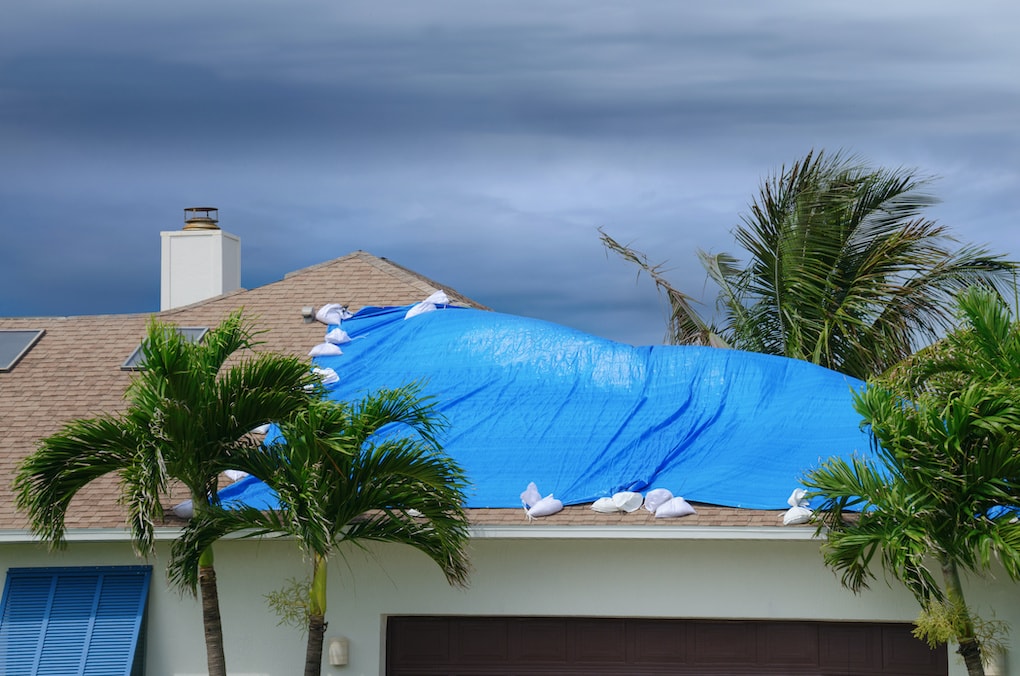
The First 24 Hours After a DFW Storm
Your step-by-step local checklist
1. Inspect the ground (don’t climb the roof)
Look for:
- Shingle granules in gutters or around the foundation
- Fallen shingles in the yard
- Dents on AC units, gutters, and downspouts
- Water spots on ceilings or attic sheathing
2. Take timestamped photos
Document everything:
- Yard debris
- Gutter dents
- Shingle fragments
- Hail stones for size comparison
3. Call a local DFW roofing company (not a storm chaser)
Homeowners often search:
“roof storm damage DFW”, “storm repair Fort Worth”, “hail damage roofer near me”
- Locally licensed and insured
- Located in DFW (Google favors proximity)
- Have reviews mentioning “storm damage,” “hail,” and “DFW”
- Have photos from local jobs
Local expert team:
Action Exteriors Fort Worth
4. Get a same-day roof inspection
A reliable contractor should provide:
- Drone footage
- Photos from the roof
- A written damage report
- A repair vs. replacement recommendation
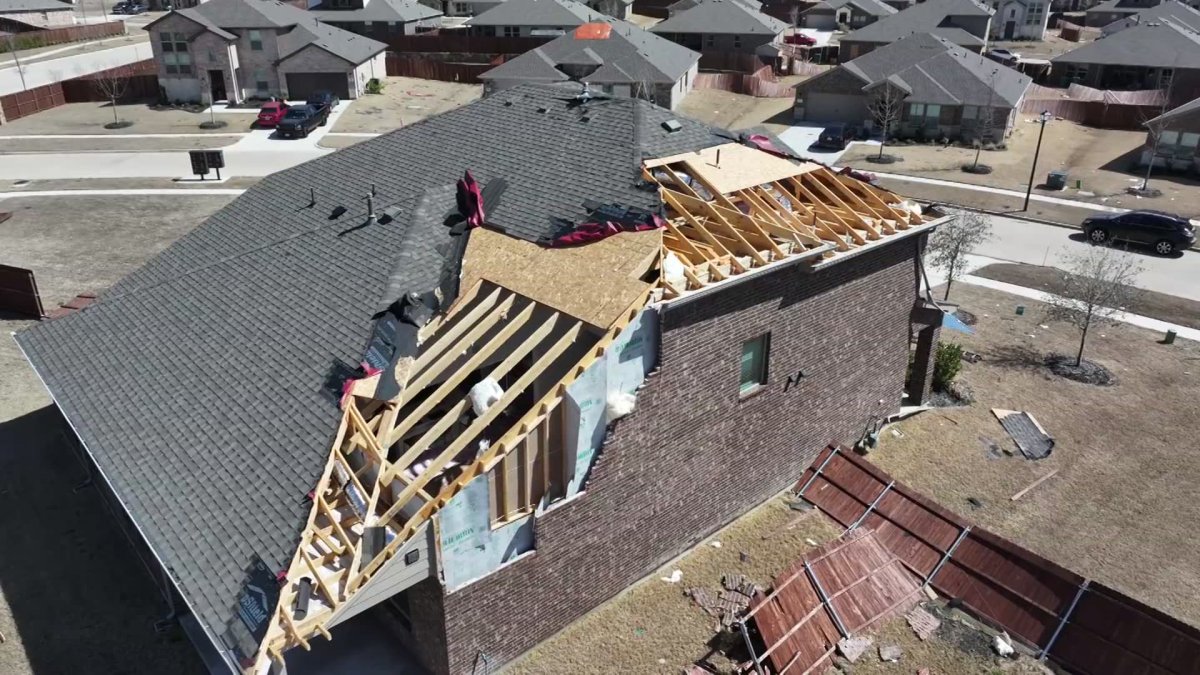
What Roof Storm Damage Looks Like in DFW
Local roofers in DFW encounter the same common damage types after almost every storm:
Hail bruising
Soft spots where granules are crushed, eventually causing leaks.
Wind-lifted shingles
These look fine from the ground, but the seal strip is broken. This is covered by most insurance policies.
Torn flashing and ridge caps
Fort Worth storms often tear protective layers at peaks and valleys.
Hidden deck penetration
Small hailstones can crack decking and leak weeks later.
DFW’s climate means any of these can turn into a major leak within one storm cycle.
How to Tell if Your Roof Damage Qualifies for Insurance in DFW
Insurance companies look for:
- Wind lift with creased shingles
- Hail impact on shingles, vents, or metal
- Missing or torn shingles
- Water intrusion into the attic
- Damage on 10 or more slopes or elevations
If your contractor documents these properly, most DFW claims are approved.

Beware of the Number One DFW Storm Scam
Storm chasers offering “free roofs” or showing up door-to-door are the most common scam in North Texas.
If a contractor does not have:
- A local office
- Local reviews
- A Texas registration number
- Texas license plates on their truck
Insurance companies and Google treat them as unreliable.
Work only with established, reviewed, and locally-licensed Fort Worth roofers such as:
Action Exteriors Fort Worth
How Long You Have to File a Roof Storm Damage Claim in Texas
Most insurance carriers allow claims for up to one year, but some require filing within 180 days. The longer you wait, the more likely your claim is denied for “delayed reporting.”
Should You Repair or Replace Your Roof After a DFW Storm?
One of the most common questions homeowners face after severe weather is whether repair or replacement is the better option. In DFW, the answer depends on the type and extent of the storm damage, as well as the age of the roof.
Roof repairs are typically recommended when:
- The damage is limited to a small, contained area
- Only a few shingles are creased, lifted, or missing
- No structural decking or underlayment issues are found
A full roof replacement makes more sense when:
- There is widespread hail bruising on multiple slopes
- Wind uplift has broken large sections of shingle seals
- Granule loss has exposed the shingle mat across the roof
- The roof is over 10–15 years old and no longer performs well under DFW weather conditions
Insurance companies in Texas often prefer full replacement when the majority of slopes show consistent storm-related impact. Proper documentation from a trusted local contractor will significantly influence claim approval.
To get a detailed repair-versus-replacement analysis for your home, connect with a Fort Worth specialist here:
Action Exteriors Roof Inspection.
Why Fast Professional Inspections Matter After Roof Storm Damage in DFW
When severe weather hits North Texas, roof storm damage can escalate quickly from a minor issue to a major structural problem. High winds, hail, and flying debris often leave behind hidden weaknesses that are not immediately visible from the ground. This is why scheduling a fast, professional inspection is one of the most important steps you can take to protect your home.
Homeowners in the DFW area often underestimate internal leaks, attic moisture buildup, cracked flashing, or loosened shingles until the issues have already spread. A certified roofing contractor can identify subtle forms of roof storm damage that standard insurance adjusters may overlook. These early findings can save you thousands in long-term repairs.
An inspection also helps document your roof storm damage thoroughly, which strengthens your insurance claim and reduces the chances of being denied or underpaid. Many homeowners lose money simply because they don’t have professional documentation from a licensed roofing expert.
If you suspect even minor roof storm damage, taking immediate action is always the safest choice. Acting quickly prevents small openings from turning into active leaks, mold growth, damaged insulation, or internal wood rot.
For fast help and a fully documented inspection, visit our Action Exteriors Fort Worth contact page to schedule an evaluation. For additional guidance, you can also learn more from reputable resources such as National Weather Service safety information.
Early Warning Signs of Roof Storm Damage Every DFW Homeowner Should Know
One of the biggest challenges homeowners face after severe weather is recognizing the early warning signs of roof storm damage. In many cases, damage is not immediately visible from the ground, which leads to costly repairs later. Understanding what to look for can help DFW homeowners act before the problem spreads.
Common indicators of roof storm damage include lifted or creased shingles, granule loss, dark impact marks from hail, damaged roof vents, cracked ridge caps, and flashing separation around chimneys or valleys. In the DFW area, high winds often create subtle shingle displacement that leads to water infiltration weeks or months later.
If your attic smells musty or shows signs of moisture, these can be early symptoms of hidden leaks caused by storm-related roof damage. Even small openings can allow water to travel along rafters, drywall, and insulation, causing long-term structural issues. This is why immediate inspection is recommended after any hail or wind event.
Professional roofing contractors provide a detailed assessment that identifies both surface-level and hidden roof storm damage. This documentation is essential for filing an insurance claim and ensuring your policy covers the full cost of repairs or replacement. Many homeowners in North Texas receive reduced payouts simply because damage wasn’t documented quickly.
To schedule a certified inspection for suspected roof storm damage, you can contact our team through the Action Exteriors Fort Worth Contact Page. For additional severe weather resources, visit the Ready.gov Storm Safety Guide.