9 Essential Roof Inspection Facts About Hail Damage in Austin You Need to Know in 2026
Table of Contents
A roof inspection is one of the most important steps a homeowner can take when it comes to maintaining and protecting their most valuable asset. As a homeowner, you take great pride in caring for your property, yet severe weather can create challenges that are difficult to anticipate. Hail storms are among the most damaging weather events, and they can strike without warning. Hail forms during strong thunderstorms and can range in size from tiny pellets to large golf balls, creating significant damage to homes and roofs. Without a prompt roof inspection after a storm, the impact of hail damage can be both financially and emotionally overwhelming.
Understanding how hail forms and how it affects your home is essential for staying prepared. A professional roof inspection helps identify dents, cracks, missing granules, and other signs of damage that may not be visible from the ground. These issues can worsen over time if they are not addressed, which is why homeowners should always schedule a roof inspection after severe weather. Action Exteriors Austin offers thorough inspections that help uncover both visible and hidden damage so you can make informed decisions with confidence.
In this blog post, we will explore what causes hail storms, how they affect your roof, common signs of hail damage to watch for, and the steps you can take to protect your home in the future. If you live in an area that experiences frequent storms or if you have recently gone through one, a roof inspection is the first step toward understanding the extent of the damage and choosing the right repairs. Action Exteriors Austin is here to provide reliable support and expert guidance every step of the way.
Understanding Hail Damage and Its Impact on Roofs
Hail damage is an unfortunate and all-too-common occurrence that can have devastating effects on your roof, which is why a roof inspection is so important after any major storm. Formed within the powerful updrafts of thunderstorms, hailstones start as small ice pellets and grow in size as they are carried through the storm before finally falling to the ground. When these frozen projectiles strike your roof, they can cause both visible and hidden damage that often goes unnoticed without a proper roof inspection.
The impact of hailstones on your roof can result in a wide range of issues, from minor cosmetic marks to significant structural problems. The force of the impact can crack or shatter roofing materials, remove protective granules, or create small openings that allow water to infiltrate your home. Without a timely roof inspection, these issues can progress into leaks, mold growth, and long-term structural deterioration.
Understanding the severity and potential consequences of hail damage is crucial for every homeowner. By scheduling a roof inspection and recognizing the signs of hail-related impact, you can determine whether immediate repairs or a full roof replacement are necessary. Taking proactive steps to inspect and protect your roof after a storm helps maintain the strength of your home and reduces the risk of costly repairs in the future.
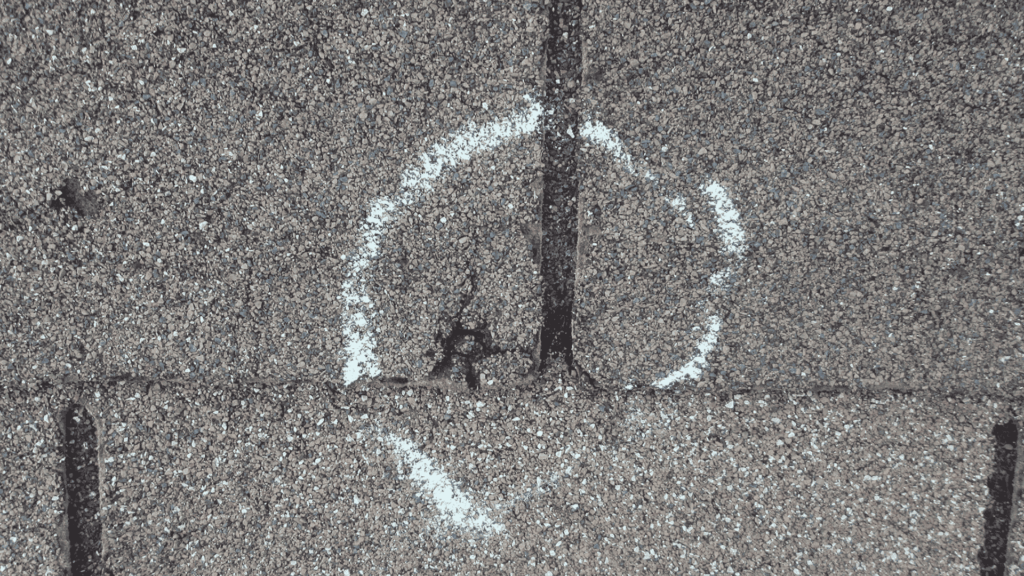
The Causes of Hail Damage and Its Effects on Your Roof’s Structure
Hail damage to your roof is primarily caused by the forceful impact of hailstones hitting the roof surface during a storm. These hailstones, which can range in size from marbles to golf balls, can cause considerable damage, especially to older roofs or those made from less durable materials. A roof inspection after severe weather is often the only way to fully understand the extent of this damage.
When hailstones strike your roof, they can dent, crack, or even puncture the roofing material. This initial damage can weaken the overall structure of the roof and reduce its ability to protect your home from the elements. Over time, even minor hail damage can become a serious problem. Without a prompt roof inspection, damaged areas may allow water to seep into the underlying structure, leading to rot, mold growth, and long-term deterioration. This type of water intrusion can eventually create structural issues inside your home, including damage to support beams and interior walls.
It is also important to remember that hail damage does not always cause an immediate leak. Even if water is not entering your home, the repeated impact of hailstones weakens the structure of the roof and reduces its durability. A roof inspection can help identify these weakened areas before they worsen. If left unaddressed, the roof may need to be replaced sooner than expected, resulting in an unexpected and potentially costly expense for homeowners.
Identifying Signs of Hail Damage on Your Roof
Homeowners should be aware of the telltale signs of hail damage to ensure timely repair and prevent further deterioration of the roof. Some of these signs are easily noticeable, while others might require a closer inspection.
- Dents or Pits in Roofing Materials: One of the most visible signs of hail damage is the presence of dents, pits, or bruises on your roof’s shingles or metal sheets. These depressions are created by the forceful impact of hailstones and can vary in size and depth depending on the size of the hail that hit your roof.
- Cracked or Missing Shingles: Hail can crack or dislodge shingles. If you notice shingles that are broken, missing, or have distinct crack patterns (often radiating from a central point), this could be a clear indication of hail damage.
- Granule Loss: Asphalt shingles are covered in tiny, granular particles that protect the underlying bitumen layer from the sun’s UV rays. Hail impacts can knock off these granules, exposing the asphalt layer. If you notice granule accumulation in your gutters or downspouts, it may be a sign of hail damage.
- Damage to Roof Fixtures and Vents: Hail damage is not limited to just the shingles or the roofing material. Roof fixtures such as vents, skylights, and chimneys can also sustain damage during a hailstorm. Look for dents or cracks in these areas.
- Leaks Inside Your Home: While not immediately visible from outside, water leaks inside your home can be a sign of roof damage caused by hail. Check your attic and upper-level rooms for signs of water intrusion, such as damp spots, discoloration, or mold growth.
If you notice any of these signs, it’s crucial to contact a professional roofing contractor to assess the extent of the damage and recommend necessary repairs.
The Importance of Addressing Hail Damage Immediately
Addressing hail damage to your roof immediately is essential for several reasons. One of the most important steps is scheduling a roof inspection soon after the storm, because prompt assessment and repair can prevent further damage to your home and its structure. With a proper roof inspection, small cracks or dents can be identified before they develop into more serious issues like water infiltration, which often leads to rot and mold.
Taking action quickly can also save you money in the long run. When a roof inspection is delayed, minor damage may worsen over time and result in more extensive and expensive repairs. By addressing the problem early, you reduce the risk of major restoration work and can often avoid unnecessary costs altogether.
Safety is another major reason to act promptly. Prolonged exposure to moisture from hail damage can weaken roofing materials and compromise the stability of your home. Without a thorough roof inspection, hidden damage may go unnoticed and lead to dangerous situations such as sagging ceilings or structural weakening.
Because of these risks, it is crucial to consult with a professional roofer after a hailstorm and arrange for a complete roof inspection to determine the extent of the damage and outline the necessary repairs. Taking swift action protects your home, strengthens its long-term durability, and gives you peace of mind knowing your roof is being properly cared for.

DIY vs Professional Repair – Pros and Cons
When it comes to addressing hail damage, homeowners often grapple with the decision of whether to take a DIY approach or hire professional services. Each option has its benefits and drawbacks.
DIY Repair Pros:
- Cost-Effective: Doing the repairs yourself potentially saves you the cost of labor associated with professional services.
- Flexible Timing: DIY allows you to work on the repairs at your own pace and convenience.
DIY Repair Cons:
- Quality of Work: Without professional training, the quality and durability of DIY repairs may be compromised, leading to future problems.
- Safety Risks: Roof repairs involve working at heights and using tools, which can be dangerous for those untrained.
Professional Repair Pros:
- Quality of Work: Professionals have the necessary training to deliver high-quality, durable repairs, potentially lengthening your roof’s lifespan.
- Inspection and Advice: Professional roofers can provide a thorough damage assessment and advise on the best course of action.
- Safety: Professionals are trained to do the job safely, reducing risk of injury.
Professional Repair Cons:
- Cost: Hiring professionals is generally more expensive than doing it yourself due to labor costs.
- Availability: You might have to work around the schedule of the roofer, which could delay repairs.
In weighing these pros and cons, it’s essential to consider your personal skills, the severity of damage, and the potential long-term impacts on your home’s integrity.
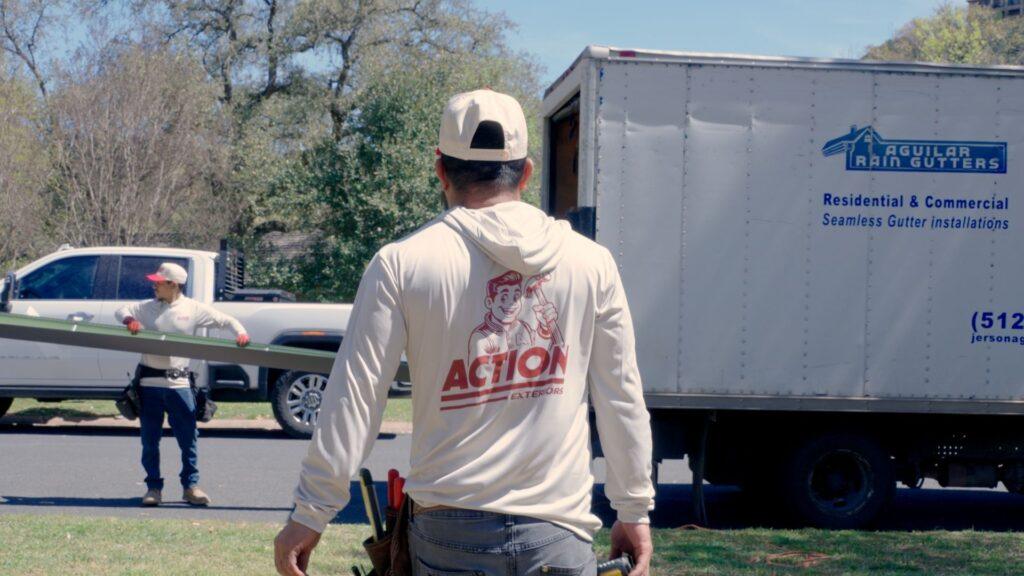
Filing an Insurance Claim for Hail Damage: Essential Tips
Dealing with roof damage caused by a hailstorm can be overwhelming. However, homeowners insurance often covers such damage, thus, knowing how to properly file a claim can alleviate some of the stress. Here are some essential tips to keep in mind:
- Document the Damage: Before starting any repair work, document the damage thoroughly. Take detailed photographs of the affected areas of your roof and any other damaged property. This will serve as evidence when filing your claim.
- Contact Your Insurance Company Immediately: Promptly inform your insurance provider about the damage. The sooner you file a claim, the earlier you can start the process and receive compensation.
- Understand Your Policy: Review your insurance policy to understand what is covered and what isn’t. Policies can differ significantly, and some may only cover the depreciated value of the roof or exclude cosmetic damage.
- Get a Professional Assessment: It can be beneficial to have a professional roofer inspect the damage as they can provide a detailed report, which can strengthen your claim.
- Keep Receipts of Any Temporary Repairs: If you need to make temporary repairs to prevent further damage, ensure you keep all receipts. These costs may be reimbursable by your insurance company.
- Don’t Accept the First Appraisal: If you feel the insurance provider’s appraisal is lower than expected, don’t hesitate to contest it. You can bring in your roofer or an independent appraiser to get another estimate.
- Follow Up Regularly: Once the claim is filed, follow up regularly with your insurance company to ensure the process is moving along. Keep a record of all communications for future reference.
Filing an insurance claim for hail damage might take time, but with patience and organization, the process can be made smoother, helping you get your home back to its best condition.
Preventative Measures to Protect Your Roof from Future Hailstorms
Preventing extensive hail damage to your roof begins with regular maintenance and making smart choices during roof installation. Here are some preventative measures you can adopt:
- Use Impact-Resistant Materials: When installing or replacing your roof, consider using impact-resistant materials specially designed to withstand hailstorms. These materials have been tested under severe conditions and have proven to be more durable.
- Regular Roof Inspection: Regular inspection by a professional roofer can identify and fix any existing damage that could worsen during a hailstorm. It’s recommended to have your roof inspected at least once a year, or after a major storm.
- Install Protective Features: Features like hail guards can be installed to protect skylights, HVAC units, and other roof components from potential hail damage.
- Maintain Your Gutters: Keeping your gutters clean and well-maintained helps prevent water damage caused by poor drainage during a storm. This can also prevent ice dams during the colder months.
- Prune Trees: Regularly prune trees around your property to prevent dead or weak branches from falling on your roof during a hailstorm, causing damage.
- Adequate Insulation: Ensure your roof and attic have adequate insulation. This can prevent heat loss, melting snow, and eventual ice damage during winter months.
Remember, while these steps can significantly reduce the potential for hail damage, they cannot entirely eliminate the risk. Always consult with a professional roofer to understand the best preventative measures for your specific situation.
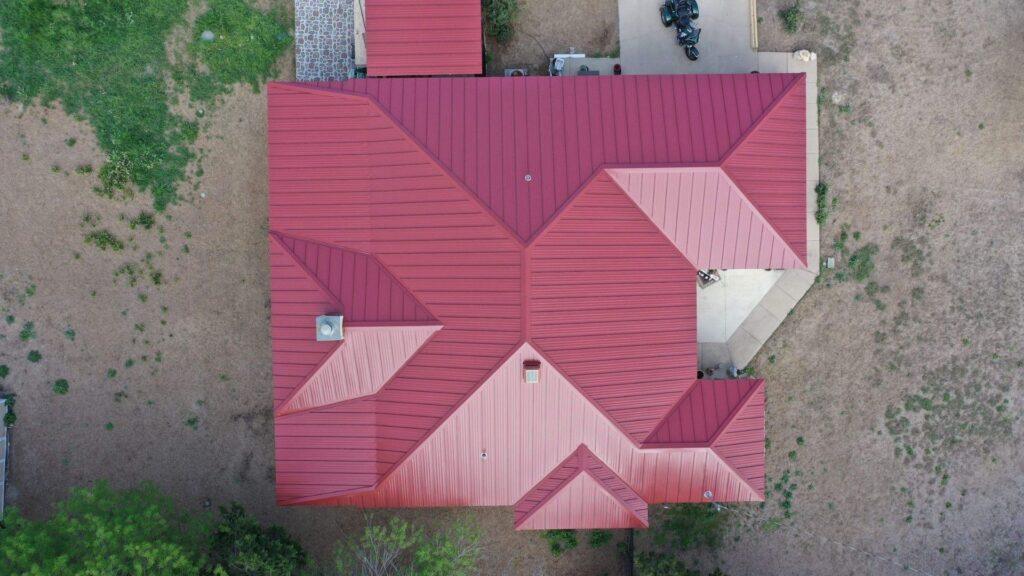
Long-term Effects of Not Fixing Hail Damage on Your Roof
Delaying or ignoring hail damage on your roof can lead to serious long-term consequences. A roof inspection can help identify these issues early and prevent further problems.
Extended Damage: Unrepaired hail damage can spread to other areas of your home. Water from a damaged roof can seep into walls, ceilings, and insulation, creating additional complications that a timely roof inspection could have caught.
Lower Property Value: Failure to repair hail damage can significantly reduce your property value. Buyers often request a roof inspection before finalizing a purchase, and visible or hidden damage can lead to lower offers or even cause a sale to fall through.
Health Risks: Water leakage from an unrepaired roof can create an environment where mold and mildew flourish. A roof inspection helps detect these risks early, reducing potential health issues such as allergies and respiratory problems.
Increased Repair Costs: What starts as a simple repair can become a full roof replacement when damage is left untreated. A roof inspection identifies minor issues before they escalate into expensive, large-scale repairs.
Insurance Complications: Most insurance companies require damage to be reported within a specific timeframe. Without a roof inspection and timely documentation, your claim may be denied.
These potential impacts highlight the importance of inspecting and repairing your roof as soon as possible after hail damage occurs.
In conclusion, filing an insurance claim, taking preventive steps, and scheduling repairs promptly are essential for protecting your home’s integrity. Consulting with a professional roofer for a thorough roof inspection helps you understand the extent of the damage and your available repair options. By staying proactive with maintenance, you ensure your roof remains ready to protect your home.
Posted in