Residential Roofing in Austin: 5 Essential Storm Damage Tips
Table of Contents
Residential roofing is built to protect your home from unpredictable weather, but even the most durable roof can suffer when a strong storm hits. Storms are part of everyday life, and when they strike, the damage can leave homeowners feeling overwhelmed and uncertain about what to do next. As dark clouds move in, winds intensify, and heavy rain pounds your home, your roof takes the full impact. After everything settles, the last thing you want to discover is new damage to your residential roofing system. Since your roof plays such an essential role in shielding your family and preserving your home’s structural integrity, it is important to respond quickly when nature causes harm.
Residential roofing damage can appear in many forms, including missing shingles, cracked materials, lifted flashing, dents from hail, leaks in the attic, or more serious structural issues. Acting promptly is crucial to preventing further deterioration. Taking the right steps early, such as checking for visible damage, watching for water intrusion inside the home, and securing temporary protection, can help prevent small issues from becoming bigger, more expensive problems. Addressing residential roofing concerns early reduces long-term repair costs, protects interior spaces from additional damage, and ensures your home remains safe.
In situations like this, having a reliable professional you can trust makes all the difference. Action Exteriors Austin provides expert residential roofing inspections and storm damage assessments that help homeowners understand exactly what needs to be repaired. Their experienced team can identify hidden issues, recommend the right solutions, and help you take the proper steps to restore your roof quickly and safely.
In this guide, you will learn how to handle residential roofing storm damage with confidence. We will walk through safe ways to assess your roof, explain common signs of storm-related problems, and help you understand when it is time to call a professional. You will also receive guidance on communicating with your insurance provider, documenting damage correctly, and choosing a qualified contractor, such as Action Exteriors Austin, to restore your roof with quality workmanship and dependable materials. By the end of this guide, you will feel prepared to navigate the aftermath of any storm and take the necessary steps to protect your home moving forward.
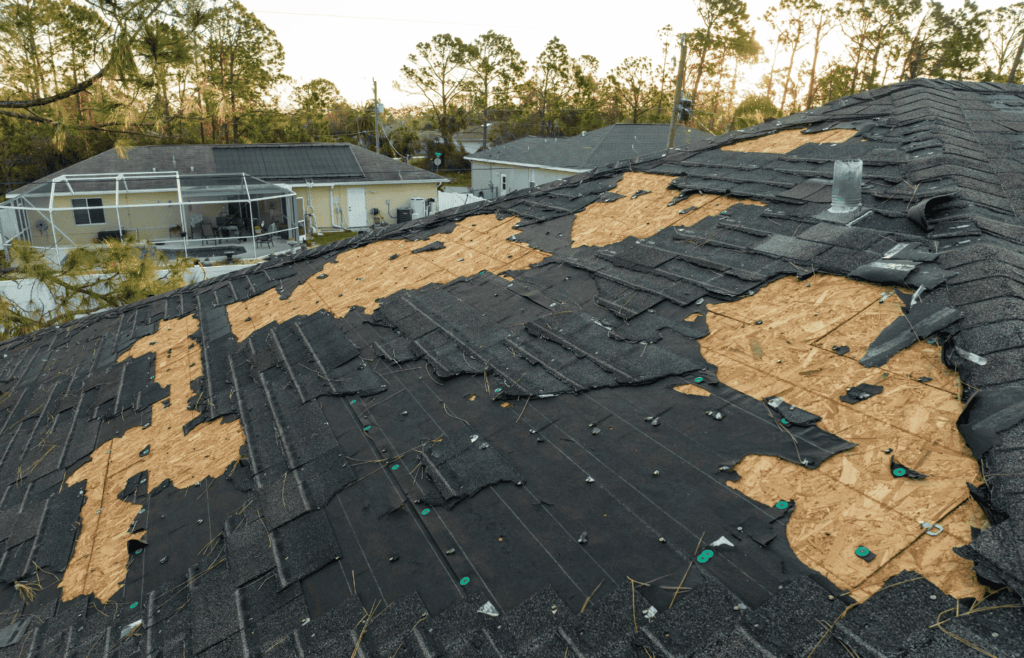
Assessing Roofing Storm Damage Safely
Residential roofing requires careful attention after a storm, and the first step is always to assess the damage safely. Never climb onto your roof immediately after severe weather. Not only is it risky, but you may unintentionally worsen the condition of your residential roofing by stepping on weakened materials or disturbing loose shingles. Safety should always come first, and there are safer ways to check for damage without putting yourself in harm’s way. Follow these guidelines to assess residential roofing storm damage from the ground while keeping yourself protected.
Use Binoculars or a Camera
Start by using a pair of binoculars or a camera with a zoom lens to inspect your residential roofing from a safe distance. This allows you to spot missing shingles, curled edges, lifted tabs, or visible debris without climbing onto the roof. Look carefully for areas where shingles appear uneven or out of place, as these signs often indicate that the storm has compromised the roofing surface. Pay special attention to the flashing around chimneys, vents, and skylights, since these are common areas where residential roofing leaks begin after strong winds or hail.
Along with checking for missing or damaged shingles, look for debris that may have landed on your residential roofing. Branches, limbs, or heavy objects can weaken the roof’s structure. Never try to remove large debris on your own, as it may be unstable or may conceal hidden damage. Instead, contact a professional roofing contractor to safely clear debris and evaluate the condition of your residential roofing system.
Check for Structural Damage
Storms can create significant structural problems within your residential roofing, especially if high winds or hail were involved. Examine the roofline from the ground to see if any sections appear uneven, sagging, or visibly distressed. These signs can indicate that the underlying support structure has been weakened. Look around the perimeter of your home and near all roof penetrations, such as chimneys and vent stacks, for dents, cracks, or punctures in the roofing materials.
Inside your home, check for signs of moisture or leaks that point to residential roofing damage. Water stains on ceilings, bubbling paint, or dampness in the attic indicate that water has already entered the structure. Even small leaks can cause major issues if ignored, compromising insulation, drywall, and interior framing. If you spot any signs of water infiltration, act quickly and seek professional help to prevent further deterioration.
Document the Damage
Thorough documentation is essential when dealing with residential roofing storm damage. Take clear photographs and videos of all visible issues. Capture close-up shots of damaged shingles, flashing, or debris as well as wide-angle views that show the entire roof. These images will be extremely helpful when you speak with your insurance provider or roofing contractor. A visual record supports your claim and ensures that all areas of concern are addressed during repairs.
Along with photos, take notes about the type of storm and the conditions you observed afterward. Mention whether the damage resulted from hail, strong winds, or heavy rain. This information helps roofing contractors properly diagnose the situation and assists insurance adjusters in processing your claim efficiently.
Above all, stay cautious during your assessment. If you notice substantial damage or suspect hidden structural issues within your residential roofing, contact a professional roofing contractor as soon as possible. They can perform a detailed inspection and provide you with a safe, accurate evaluation to guide you through the next steps.
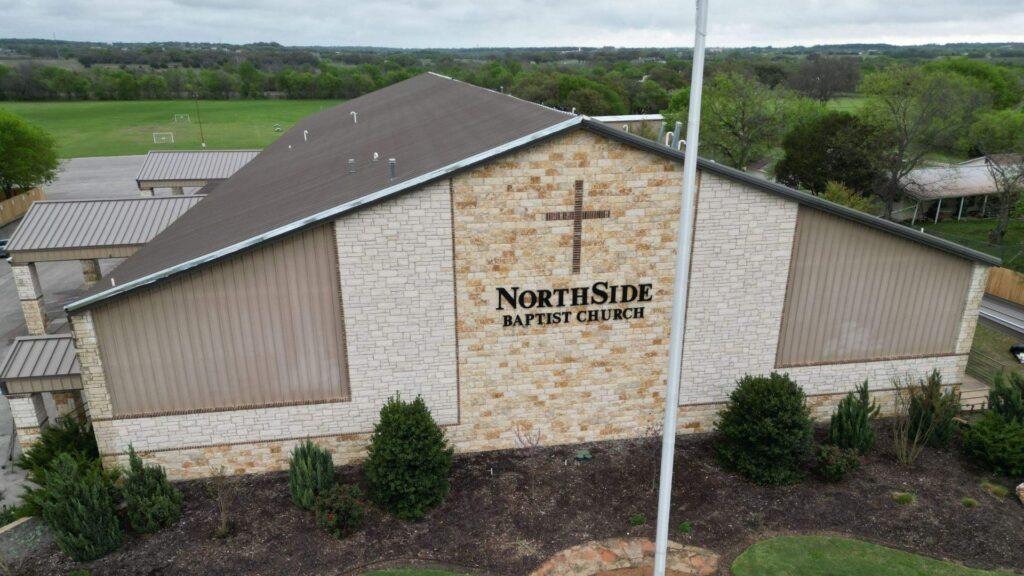
Understanding Your Insurance Coverage for Storm Damage and Roof Protection
Residential roofing plays a major role in protecting your home, and when a storm causes damage, your insurance coverage becomes a crucial part of the recovery process. Because no two insurance policies are exactly alike, understanding what your coverage includes is essential before beginning any repairs to your residential roofing system. Knowing how your insurance handles roof protection can save you significant stress and prevent unexpected costs. Below are the key steps to follow when evaluating storm damage coverage and determining how residential roofing protection applies to your policy.
Review Your Policy
Insurance policies can be confusing, but reviewing what is and is not covered is one of the most important things you can do after your residential roofing has been affected by a storm. Check whether your policy includes storm damage coverage and how it applies to residential roofing repairs or replacements. Some policies pay for full replacement, while others only cover the depreciated value of the roof. Understanding these details ahead of time ensures that you are not surprised when it is time to file a claim.
Also, look at any additional roof protection options that may be included in your policy. Many homeowners do not realize that their insurance may offer optional coverage that enhances protection for residential roofing damage caused by hail, wind, or severe weather. If you are unsure about any of these details, contact your insurance provider for clarification so you have an accurate understanding of your residential roofing coverage.
Document Everything
Detailed documentation is essential when dealing with residential roofing storm damage. Take clear photos and videos of all visible damage, including close-up shots of missing shingles, cracked flashing, dents from hail, or any structural issues. Also capture wide-angle images that show the condition of your entire residential roofing system. This visual evidence will support your claim and demonstrate that you have taken proper measures to protect your roof.
Do not forget to document any additional damage to siding, gutters, windows, or exterior features that may have been affected by the storm. The more complete your documentation is, the easier it will be for your insurance adjuster to understand the severity of the damage and how it relates to the necessary residential roofing repairs.
Contact Your Insurance Provider
Once you have assessed the damage to your residential roofing and collected documentation, reach out to your insurance company as soon as possible. Filing your claim promptly helps prevent delays and ensures that your storm-related residential roofing damage is evaluated quickly. The insurance adjuster will schedule an inspection, and having your documentation ready can make this process more efficient.
When speaking with your insurance provider, mention specific areas of your residential roofing that require immediate attention. Point out leaks, missing shingles, structural concerns, or any hazards that could worsen over time. Early communication increases the likelihood that your roof protection coverage will be applied correctly and that repairs can begin without unnecessary delays.
Stay Informed About Roof Protection Options
Understanding your insurance coverage helps make the restoration process smoother. Residential roofing protection is an important component of your policy that should never be overlooked. Knowing the details of your coverage allows you to advocate for the repairs your home needs and avoid unexpected out-of-pocket expenses. If you determine that your current policy does not provide adequate roof protection or storm coverage, consider upgrading your policy for future peace of mind.
Storm damage can feel overwhelming, but staying informed and proactive makes the process far easier. Reviewing your insurance policy, documenting all residential roofing damage, and contacting your insurer promptly are essential steps in restoring your home. If you need help evaluating storm damage or want expert guidance on residential roofing protection, reach out to a trusted professional. Taking action early ensures your residential roofing system is repaired correctly and continues to protect your home for years to come.
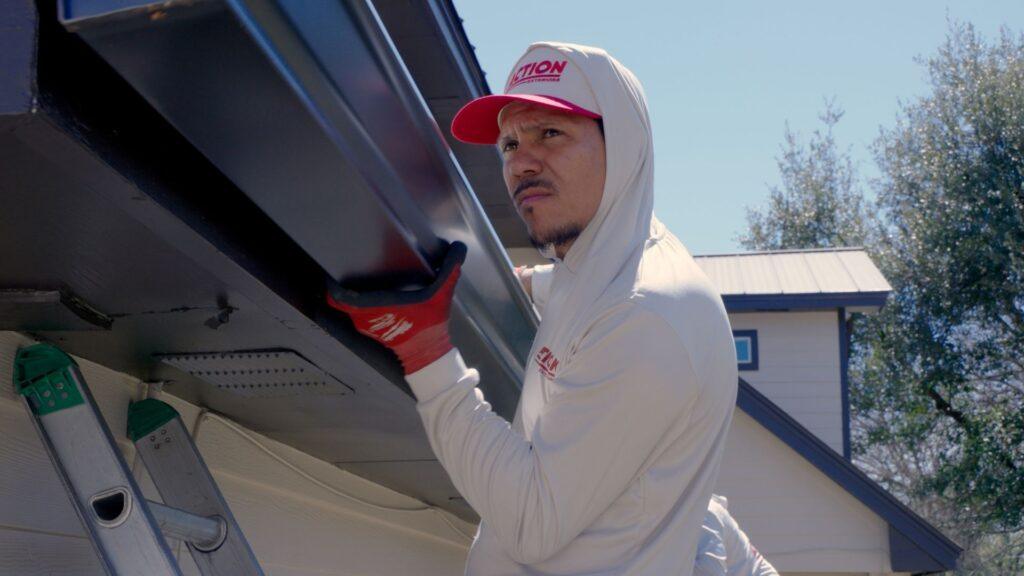
Choosing the Right Roofing Contractor After Storm Damage
When it comes to repairing your roof after a storm, the choice of contractor is crucial not just for roof protection but for your home. This isn’t just about fixing a roof; it’s about protecting your home and restoring its safety. Choosing a roofing contractor who is licensed, insured, and experienced with storm damage repairs will give you peace of mind that the job will be done right.
Do Your Research
Start by researching local contractors who specialize in roofing storm damage. Look for reviews, ratings, and testimonials from past customers. You can also ask friends, family, or neighbors for recommendations. A reliable contractor should be able to provide you with references and a portfolio of their past work.
Ask the Right Questions
When contacting potential contractors, make sure to ask the following questions:
- Are you licensed, insured, and bonded?
- Do you have experience with storm damage repairs?
- Can you provide a written estimate for the repairs?
- What materials do you recommend for my roof?
- How long will the repair process take?
By asking these questions, you’ll be able to narrow down your choices to reputable contractors who can handle the specific needs of your roof.
Get Multiple Quotes
Always get at least three quotes from different contractors. This will help you compare pricing, materials, and the scope of work each contractor proposes. Keep in mind that the cheapest option may not always be the best. Look for contractors who offer a fair price and provide detailed information about the repairs needed.
Check for Warranties and Guarantees
A good roofing contractor should offer a warranty on their work and roof protection. This protects you in case any issues arise after the repairs are completed. Be sure to ask about the warranty details before signing a contract.
Temporary Fixes vs. Long-Term Solutions for Roof Protection After Storm Damage
After a storm, the damage to your roof can feel overwhelming. You may be tempted to apply a quick fix—throwing a tarp over the roof or nailing down loose shingles. While these temporary fixes can help prevent further water damage in the short term, they don’t address the root cause of the problem. In fact, relying on temporary fixes could lead to more expensive repairs down the road. Let’s take a closer look at how temporary fixes compare to long-term solutions when it comes to protecting your roof and ensuring its longevity.
Temporary Fixes: A Quick Stopgap for Roof Protection
When you’re dealing with the immediate aftermath of a storm, it’s essential to act fast. Temporary fixes can help you avoid further damage, especially when your roof has significant damage. For instance, placing a tarp over holes or damaged areas can provide short-term roof protection from the elements. Similarly, nailing down loose shingles can help prevent them from being blown away by the wind, further exposing your roof to water and debris.
However, while these temporary fixes may provide some relief, they are just stopgap measures. The tarp, for example, may not offer the best protection against heavy rain or winds, and nails holding down loose shingles could come loose again in future storms. These fixes may delay further damage but won’t restore the structural integrity of your roof.
The goal of temporary fixes is to minimize water intrusion and further damage until you can schedule professional repairs. However, these fixes are not a replacement for comprehensive, long-term roof protection, which addresses the underlying issues that caused the damage in the first place.
Long-Term Solutions: Investing in Permanent Roof Protection
While temporary fixes may buy you some time, long-term solutions are essential for the longevity of your roof and the overall protection of your home. It’s important to invest in quality repairs that will restore your roof’s integrity and provide reliable protection for years to come.
One of the first steps in implementing long-term solutions is replacing damaged shingles. If shingles are missing or damaged, they need to be replaced to ensure your roof is fully covered and resistant to the elements. Additionally, fixing leaks and repairing any structural damage caused by the storm is necessary for preventing future issues.
Beyond just repairing the damage, long-term solutions often involve upgrading your roof to more durable materials. Storm-resistant features, like impact-resistant shingles, can help fortify your roof against future storms. These materials are designed to withstand extreme weather conditions, minimizing the risk of damage during future storms. Reinforcing your roof with stronger materials can significantly improve its resilience, providing enhanced protection for your home.
A professional contractor will assess the damage and provide recommendations for roof protection solutions that will last for years to come. They’ll guide you through the repair process, ensuring that your roof is fully restored and reinforced to handle the challenges of future storms.
The Importance of Roof Protection Upgrades
After experiencing storm damage, it’s wise to consider upgrading your roof for better protection in the future. Installing high-quality materials like impact-resistant shingles or adding storm-resistant features can make a significant difference in preventing future storm damage. These upgrades may come with an upfront cost, but they are a wise investment in your home’s long-term protection.
By choosing durable materials and reinforcing your roof, you can minimize the risk of damage during future storms and increase the overall lifespan of your roof. These long-term solutions provide peace of mind, knowing that your home is better prepared for whatever the next storm may bring.
Make the Smart Choice for Your Roof Protection
When it comes to protecting your home from storm damage, temporary fixes may offer immediate relief, but long-term solutions are essential for ensuring lasting roof protection. Investing in quality repairs, upgrading materials, and reinforcing your roof will not only address the damage from the recent storm but also improve your roof’s ability to withstand future weather events. Don’t wait for another storm to take a toll on your home. Contact a professional roofing contractor to evaluate your roof, discuss roof protection options, and ensure that your home remains safe and secure for years to come!
Preventive Measures to Protect Your Roof from Future Storms
Once your roof is repaired, it’s time to think about ways to prevent future storm damage. While no roof can be entirely storm-proof, there are steps you can take to make it more resilient.
Upgrade to Storm-Resistant Materials
If your roof sustained significant damage during the storm, consider upgrading to stronger, more storm-resistant materials. Impact-resistant shingles and metal roofing are great options for homes in storm-prone areas. These materials can better withstand hail, high winds, and flying debris, reducing the risk of future damage.
Maintain Your Roof Regularly
Regular roof maintenance is essential in preventing storm damage. Have a professional roofer inspect your roof at least once a year to identify any weak spots, damaged shingles, or issues that could compromise its performance. Catching problems early can save you money and prevent bigger issues down the road.
Trim Trees and Remove Debris
Trees and branches near your roof can pose a significant risk during a storm. Trim overhanging branches to prevent them from falling on your roof during high winds. Additionally, make sure to remove any debris or leaves from gutters and downspouts to prevent water damage.
Reinforce Your Home’s Structural Integrity
In some cases, reinforcing the structure of your home may be necessary. Adding extra support to your roof’s trusses or installing hurricane straps can make your home more resistant to wind damage. These upgrades can help protect your roof from the worst that nature has to offer.
How Action Exteriors Can Help Restore Your Roof
When a storm damages your roof, the recovery process can be stressful. But with the right support, you can restore your home and protect it from future damage. That’s where Action Exteriors comes in. We specialize in storm damage repairs, offering professional roofing services to homeowners in need of immediate and long-term solutions.
Our team of experts will assess your roof, provide a comprehensive repair plan, and work with your insurance company to ensure that you get the coverage you deserve. With years of experience in roofing and storm damage restoration, we’re committed to delivering high-quality, reliable services to help you get your home back to its best.
Get in Touch with Action Exteriors Today!
Don’t wait for the next storm to hit before you take action! Contact Action Exteriors now to schedule your roofing inspection and get your roof ready for whatever comes next. With our expertise and dedication, you can rest assured that your roof is in good hands.
Posted in