Roofing in Austin: The Best Energy-Efficient Roofing Materials to Stay Cool and Cut Costs (2026)
Table of Contents
The average home can lose up to 25 percent of its energy through the roof. That is a staggering number when you consider how much Austin homeowners spend each year trying to keep their homes cool. Your roof is not just a barrier against rain and storms. It plays a major role in regulating indoor temperatures and controlling monthly energy costs. With roofing in Austin exposed to extreme summer heat, long hours of direct sunlight, and intense UV radiation, the materials above your head matter more than you might realize.
When roofing in Austin is not designed for energy efficiency, heat builds up quickly in the attic and radiates into living spaces below. This forces air conditioning systems to work harder, increases energy bills, and accelerates wear on HVAC equipment. Over time, inefficient roofing can also contribute to uneven temperatures, reduced comfort, and higher maintenance costs throughout the home.
Choosing energy-efficient roofing in Austin goes far beyond comfort. It is a smart financial decision that can lower utility bills, reduce your environmental footprint, and increase overall home value. Many buyers now look for homes with modern, energy-conscious upgrades, and the roof is one of the most impactful improvements you can make. Whether you are building a new home, renovating an older property, or planning a roof replacement, investing in the right roofing in Austin pays dividends year after year.
Today’s energy-efficient roofing options give Austin homeowners more choices than ever. From metal roofing systems that reflect heat away from the home, to cool shingles engineered to reduce heat absorption, to green roofing solutions that add insulation and sustainability, there are effective options for nearly every style and budget. Guidance from experienced local professionals like Action Exteriors Austin, a member of the Westlake Chamber of Commerce, helps homeowners navigate these options with confidence and choose solutions that perform well in Central Texas conditions. In the sections ahead, we will explore the best energy-efficient roofing materials for roofing in Austin and explain how they help homeowners stay cooler, lower energy costs, and protect their homes against the Texas heat.
Why Energy-Efficient Roofing Matters in Austin
Austin’s intense summer heat places constant demand on air conditioning systems, making roof efficiency a key factor in home comfort and energy costs. Roofing in Austin that is not designed to manage heat can allow excessive warmth to build up in the attic and transfer into living spaces, forcing cooling systems to work harder throughout the day.
Energy-efficient roofing in Austin helps reduce heat transfer into the home, improving indoor comfort and maintaining more consistent temperatures. When less heat enters the living space, air conditioning systems cycle less frequently, which lowers energy usage and reduces wear on HVAC equipment.
Cutting down on energy consumption through efficient roofing in Austin often leads to noticeable savings on monthly utility bills. Over time, these savings can help offset the cost of a roof upgrade while also increasing home resale value. Buyers increasingly look for homes with modern, energy-conscious features that promise lower long-term operating costs.
In some cases, homeowners in Austin may also qualify for energy rebates, tax credits, or solar-related incentives when installing energy-efficient roofing systems. These programs can make upgrading roofing in Austin even more affordable while supporting long-term comfort and sustainability.
What Makes a Roofing Material Energy Efficient?
When evaluating energy-efficient options for roofing in Austin, solar reflectance plays a major role. Also known as albedo, this measurement shows how well a roofing material reflects sunlight away from the home. Higher reflectance helps keep roofing in Austin cooler and reduces heat buildup in attic spaces and living areas, improving comfort and lowering cooling demands. Insights from experienced local professionals like Action Exteriors Austin, a contractor affiliated with the Central Texas Roofing Contractors Association, help homeowners understand how reflectivity impacts real-world roof performance in Central Texas conditions.
Emissivity is another important factor for roofing in Austin. It measures how effectively a material releases absorbed heat. Roofing materials with high emissivity shed heat more quickly after sunset, which helps maintain comfortable indoor temperatures and prevents heat from lingering overnight.
Insulation value, measured as R-value, helps slow heat transfer through the roof system. Higher insulation levels are especially important for roofing in Austin, where prolonged exposure to high temperatures can drive up cooling costs if heat is allowed to pass into the home.
Color, material choice, and durability also affect long-term performance. Light-colored and reflective roofing in Austin generally absorbs less heat, while durable materials maintain their efficiency with less maintenance over time. Choosing long-lasting roofing materials helps ensure consistent energy performance and lower upkeep costs for homeowners.
Top Energy-Efficient Roofing Materials for 2025
Metal Roofing
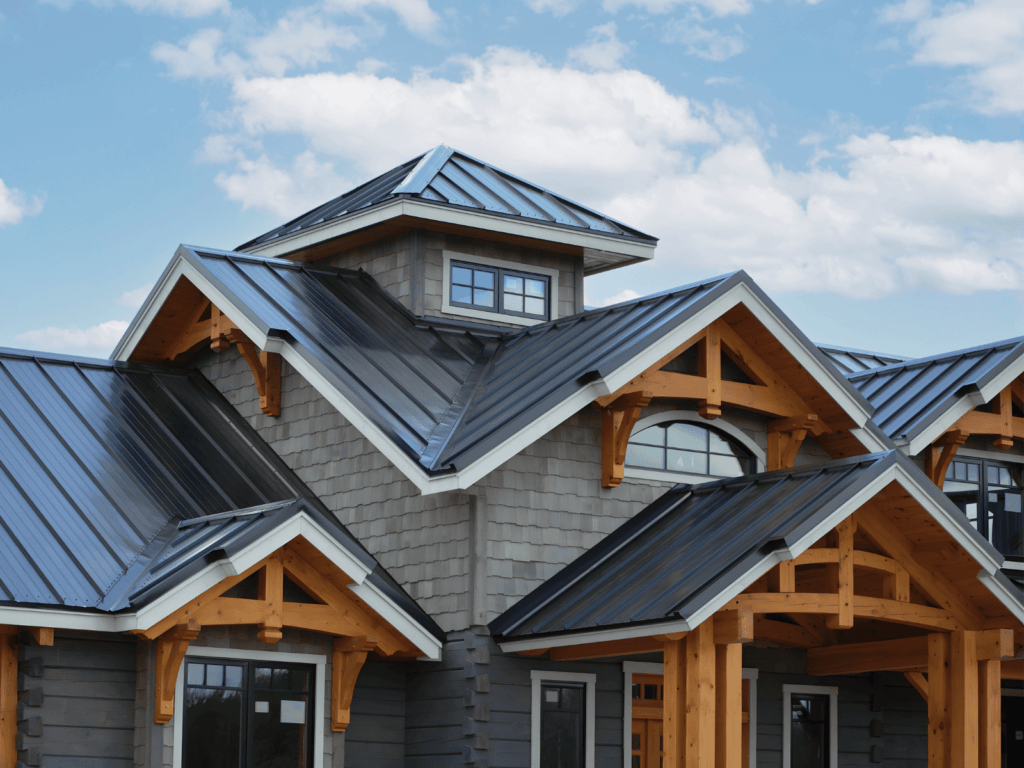
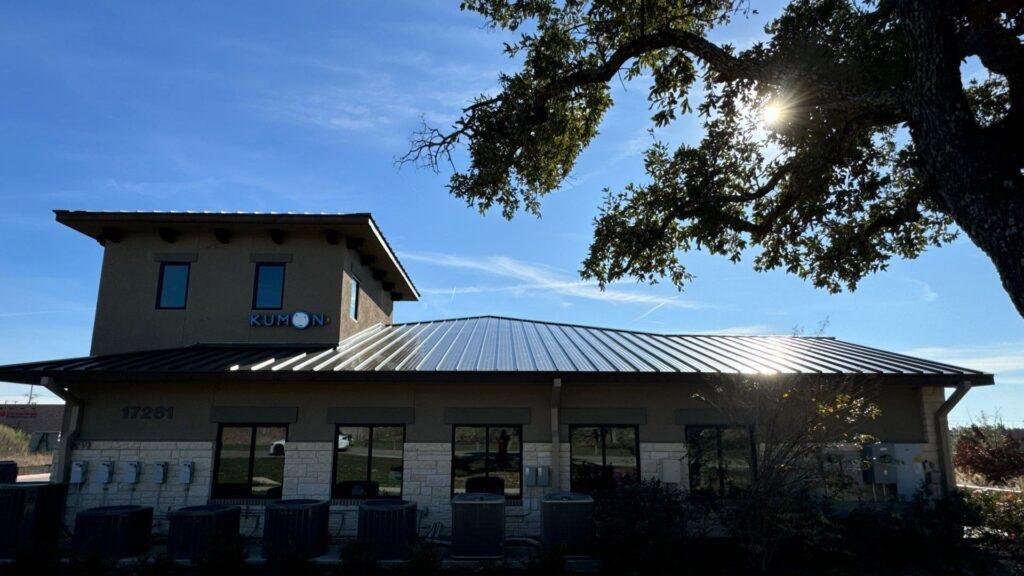
Metal roofing is a popular energy-efficient option for roofing in Austin because it reflects a large portion of solar heat instead of absorbing it. This reflective quality helps reduce attic temperatures and keeps living spaces cooler during Austin’s long summer months.
Many metal roofing systems used for roofing in Austin are Energy Star rated and made from recyclable materials. This makes them an environmentally responsible choice for homeowners who want to reduce energy consumption while supporting sustainability.
Another advantage of metal roofing in Austin is its long lifespan and minimal maintenance requirements. With proper installation, metal roofs can last between 40 and 70 years, making them a durable investment that maintains energy efficiency over time.
Metal roofing is also ideal for solar panel integration. Its strength and longevity make it well suited for supporting solar systems, allowing homeowners investing in roofing in Austin to combine energy-efficient roofing with renewable energy solutions.
Cool Roof Shingles
- Asphalt shingles coated with reflective granules
- Available in Energy Star-certified varieties
- Easy to install and more affordable than other options
- Great for homeowners looking for traditional aesthetics with modern performance
Clay and Concrete Tiles
Tile roofing offers natural insulating and heat reflective properties that make it a strong option for roofing in Austin. Its design helps limit heat absorption, keeping attic spaces cooler and improving overall indoor comfort during hot summer months.
One of the biggest advantages of tile roofing in Austin is its thermal mass. Tile materials absorb heat slowly and release it gradually, which helps maintain stable interior temperatures even during Austin’s frequent temperature swings.
Tile roofing is also extremely durable and well suited for the Texas heat. When properly installed, it can withstand prolonged sun exposure, high temperatures, and severe weather while maintaining its energy-efficient performance.
Because tile roofing is heavier than many other materials, roofing in Austin with tile may require structural reinforcement. Before selecting this option, homeowners should have their home evaluated to confirm it can safely support the added weight and perform as intended over time. Working with experienced professionals like Action Exteriors Austin, a GAF-certified contractor, helps ensure proper assessment, material selection, and installation practices that align with manufacturer standards and local building requirements.
Green Roofs (Living Roofs)
Green roofs, also known as living roofs, use layers of vegetation to provide natural insulation and absorb heat. For roofing in Austin, this added insulation helps reduce heat transfer into the building and supports more consistent indoor temperatures during hot weather.
These living roof systems are especially effective for urban energy efficiency. Roofing in Austin that incorporates green roofs can help lower surface temperatures, reduce the urban heat island effect, and improve comfort in densely built areas.
Green roofs also offer environmental benefits beyond energy savings. They help reduce stormwater runoff by absorbing rainfall and slowing drainage, and they improve air quality by filtering pollutants. For homeowners focused on sustainability, green roofing in Austin can contribute to a healthier local environment.
This type of roofing in Austin is best suited for flat or low-slope roofs with proper structural support and drainage systems. Because of the added weight and complexity, professional evaluation is essential to ensure the roof system is designed to safely support a green roof installation.
Synthetic or Composite Roofs
Synthetic or composite roofing is an increasingly popular option for roofing in Austin due to its balance of efficiency, durability, and sustainability. These roofs are typically made from recycled plastics, rubber, or advanced polymers, making them an eco-friendly choice for homeowners looking to reduce environmental impact.
These materials are engineered specifically for weather resistance and energy efficiency. Roofing in Austin benefits from composite systems that are designed to handle intense heat, strong UV exposure, heavy rain, and occasional hail without breaking down or losing performance.
Another advantage of synthetic roofing in Austin is its lightweight construction and low maintenance requirements. Because these materials place less stress on the home’s structure, they are often easier to install and maintain compared to heavier roofing options, while still delivering long-term reliability.
Many composite roofing products are designed to mimic the appearance of slate or wood shake. This allows homeowners investing in roofing in Austin to achieve a high-end, architectural look without the weight, upkeep, or vulnerability associated with natural materials.
How Roof Color and Coatings Impact Energy Efficiency
Roof color plays a major role in energy efficiency, especially when it comes to roofing in Austin. Light-colored roofs reflect more sunlight than dark-colored roofs, which helps reduce heat buildup in the attic. By limiting how much heat is absorbed, lighter roofing surfaces help keep interior spaces cooler during Austin’s hottest months.
Cool roof coatings are another effective way to improve the performance of roofing in Austin. These coatings are applied as reflective paints or membranes that bounce solar radiation away from the roof surface. They are often used to upgrade existing roofs and can significantly reduce surface temperatures without requiring a full roof replacement.
There are several types of roof coating materials commonly used for roofing in Austin, including acrylic, silicone, and polyurethane coatings. Each offers different benefits related to reflectivity, waterproofing, and durability. The right coating depends on roof type, slope, and exposure to sun and moisture.
It is important to understand that some roof coatings require periodic reapplication, typically every ten to fifteen years, to maintain their effectiveness. When roof color and coatings are combined thoughtfully, roofing in Austin can achieve improved energy efficiency, extend overall roof lifespan, and reduce long-term maintenance and cooling costs. Homeowners who work with trusted professionals like Action Exteriors Austin, a Better Business Bureau accredited contractor, benefit from guidance that helps them choose coating systems designed for durability, performance, and long-term value in Central Texas conditions.

Comparing Energy Savings of Different Roofing Types
When comparing energy savings for roofing in Austin, metal roofs consistently rank among the most efficient options. Their reflective surfaces can reduce cooling costs by up to 25 percent by limiting how much solar heat is absorbed into the home. This makes metal roofing especially effective during Austin’s long and intense summer season.
Cool shingles are another strong performer for roofing in Austin. These shingles are engineered to reflect more sunlight than standard asphalt shingles and can lower roof surface temperatures by as much as 50 to 60 degrees on hot days. This reduction helps keep attic spaces cooler and reduces the workload on air conditioning systems.
Clay tile roofing offers a combination of energy efficiency and regional style that fits well with Austin architecture. The natural thermal properties of tile help regulate interior temperatures, providing energy savings while adding a distinctive Southwestern look. Green roofs can take efficiency even further, with some systems reducing energy demand for upper floors by 20 to 40 percent through added insulation and heat absorption.
Synthetic roofing options vary in energy performance depending on design and installation, but they generally perform well when paired with proper attic insulation. For most energy-efficient roofing in Austin, payback periods typically range from five to fifteen years. The exact timeline depends on installation costs, energy usage, and the specific roofing system selected, but long-term savings and comfort improvements often justify the investment.
Eco-Friendly Roofing Options That Boost Efficiency
Eco-friendly roofing options are becoming increasingly popular for roofing in Austin as homeowners look for ways to improve energy efficiency while reducing environmental impact. One of the most innovative solutions is solar shingles, which combine traditional roofing materials with solar electricity generation. These systems allow homeowners to produce clean energy without installing separate solar panels, making them an attractive choice for modern roofing in Austin. Guidance from design-conscious professionals like Action Exteriors Austin, an allied member of AIA Austin, helps homeowners evaluate how solar-integrated roofing fits into both performance goals and architectural standards.
Recycled-content roofing materials are another strong option for environmentally conscious homeowners. Many metal, synthetic, and composite roofing products used for roofing in Austin are made partially from recycled materials, which helps reduce landfill waste and lowers the overall environmental footprint of the roof without sacrificing durability or performance.
Energy Star-certified roofing products offer verified efficiency benefits. Roofing in Austin that carries an Energy Star rating has been tested to meet strict reflectivity and performance standards, helping homeowners reduce heat absorption and cooling costs. These ratings provide added confidence that the roofing material will deliver real energy savings in a hot climate.
Homeowners interested in sustainable roofing in Austin should also look for recognized green certifications such as LEED or ratings from the Cool Roof Rating Council. Roof systems that reduce landfill waste, lower energy use, and improve efficiency are increasingly in demand, making eco-friendly roofing a smart investment for both the environment and long-term home value.
Best Roofing Choices for Austin’s Climate
Choosing the best materials for roofing in Austin starts with understanding how well each option handles heat, storms, and long periods of sun exposure. Metal roofs are a top choice because they reflect heat, resist hail damage, and shed rain efficiently, making them especially effective during Austin’s intense summers and frequent storms. As outlined in our guide on how Austin weather impacts roof and siding damage, selecting materials designed for local conditions is one of the most important steps homeowners can take to protect their exterior and reduce long-term repair costs
Cool shingles are another popular option for roofing in Austin, particularly for homes with steep-sloped roofs. They offer a more cost-effective alternative to metal while still improving energy efficiency by reflecting more sunlight than traditional asphalt shingles. For many homeowners, cool shingles strike a good balance between affordability and performance.
Concrete tile roofing performs exceptionally well in extreme heat and offers strong fire resistance. Roofing in Austin with concrete tiles benefits from the material’s durability and thermal properties, which help regulate indoor temperatures. Green roofs can also be effective, especially in urban areas, provided the structure is designed to support the added weight and proper drainage systems.
Synthetic roofing options continue to gain traction for roofing in Austin because they combine visual appeal with efficiency and durability. These materials often mimic slate or wood while offering better weather resistance and lower maintenance. Regardless of the material chosen, homeowners should prioritize storm-ready features such as wind resistance and hail ratings to ensure their roofing in Austin is built to withstand local weather conditions.
Choosing the Right Contractor for Energy-Efficient Roofing
Choosing the right contractor is one of the most important steps when investing in energy-efficient roofing in Austin. Not every roofing professional has hands-on experience with high-performance materials, so it is essential to ask specifically about their background working with energy-efficient roofing systems and how those materials perform in Central Texas conditions.
Certifications are another key indicator of a qualified contractor for roofing in Austin. Ask whether they hold manufacturer certifications from brands such as GAF, CertainTeed, or Owens Corning. These credentials show that the contractor has received specialized training and follows approved installation standards, which helps ensure your energy-efficient roof performs as intended.
A reputable contractor for roofing in Austin should also provide a detailed written estimate. This estimate should clearly outline material costs, labor, timelines, and projected energy efficiency benefits. Understanding how your new roof may impact cooling costs helps you evaluate long-term value rather than focusing only on upfront pricing.
Local experience matters greatly for roofing in Austin. A knowledgeable contractor understands how heat, humidity, hail, and wind affect roof performance over time and how those conditions influence material selection and installation methods. Working with seasoned professionals like Action Exteriors, a contractor recognized by the Roofing Contractors Association of Texas, gives homeowners confidence that their roof is being designed for real Central Texas conditions. In addition, a qualified contractor should be able to explain potential tax credits, rebates, or energy incentives and assist with the required paperwork, making the entire roofing process smoother and more cost effective.
Upgrade Your Roof, Slash Your Bills, and Beat the Heat
In Austin, where energy use spikes in the summer and weather can change fast, investing in the best roofing materials for energy efficiency is a smart move. From cool roof coatings and reflective metal to innovative green and solar-integrated systems, there’s no shortage of options that save money and reduce environmental impact.
While Action Exteriors Austin specializes in garage door services, we work hand-in-hand with trusted local contractors to make sure your entire exterior, roof, garage, and more, is built for comfort, savings, and style. If your garage roof needs an upgrade or you’re tackling an energy-efficient exterior remodel, we’re your go-to team for expert advice and seamless service.
Contact Action Exteriors Austin today to learn how we can help transform your garage and roof into an energy-saving powerhouse!
Posted in