Austin Roof and Siding Damage: How Weather Impacts Your Home in 2026
Table of Contents
Weather in Austin Isn’t Just Big, It’s Brutal on Your Home
“Everything is bigger in Texas, including the weather swings.”
Austin’s sunshine may be perfect for outdoor festivals, food trucks, and pool days, but when it comes to your home’s exterior, it presents a different challenge. The combination of intense heat, high humidity, strong winds, and sudden storms creates constant stress on roofing and siding materials. Over time, this environment can accelerate wear and lead to costly damage if it goes unaddressed. Your Austin roof is exposed to these conditions every single day, even when the weather appears calm.
Most homeowners do not think about their roof or siding until a leak appears or a major storm moves through the area. However, the reality is that Austin’s climate places daily strain on your home’s exterior. Prolonged summer heat can cause materials to expand and deteriorate, while hailstorms and wind-driven rain can weaken protective layers and compromise structural integrity. Moisture in the air can also contribute to long-term issues that are easy to overlook but expensive to repair.
Protecting your investment starts with understanding how local weather affects your Austin roof and siding over time. By recognizing these risks early and taking a proactive approach, homeowners can stay ahead of damage, extend the life of their exterior materials, and avoid unexpected repairs. Working with a trusted local contractor like Action Exteriors Austin, an active allied member of the Austin design and building community, ensures your home is evaluated by professionals who understand Central Texas weather and long-term exterior performance.

Understanding Austin’s Unique Weather Challenges
Austin is not just hot. It is intense, and that intensity has a direct impact on your home’s exterior.
Summer temperatures regularly climb above 100°F, particularly from June through September. Prolonged heat exposure places significant stress on roofing and siding materials, causing them to expand, dry out, and age faster. For an Austin roof, this constant heat can weaken protective layers and shorten the overall lifespan if materials are not designed for extreme conditions.
Humidity is another major factor, especially during the spring and early fall. Elevated moisture levels can work their way into small gaps and seams, increasing the risk of rot, mold, and material breakdown over time. When humidity combines with heat, it creates an especially demanding environment for exterior systems.
Storms in the Austin area often arrive quickly and with little warning. High winds, heavy rain, and hail can strike hard in a short period of time, testing the durability of both roofing and siding. Even mild winters can contribute to wear, as temperature swings cause materials to repeatedly expand and contract, placing additional strain on fasteners, seams, and joints.
Together, these conditions create an environment where your Austin roof and siding are constantly heating up, cooling down, absorbing moisture, and drying out. This continuous cycle accelerates wear and tear, even on premium materials. Without proper maintenance and the right product selection, exterior systems in Austin simply do not last as long as homeowners might expect.
How Extreme Heat Impacts Your Roof
Let’s talk about the summer sun. While it may feel refreshing after a cooler season, prolonged heat is one of the most damaging forces acting on your home. Austin experiences extended periods of intense sunlight, and that constant exposure can significantly shorten the lifespan of an Austin roof if materials are not designed for extreme temperatures. Working with Action Exteriors Austin, an RCAT-recognized contractor, gives homeowners the advantage of industry-backed standards and expertise specific to Texas roofing conditions.
Common types of damage caused by Texas heat include:
- Shingle curling and cracking
High temperatures cause asphalt shingles to dry out and lose flexibility. As they become brittle, shingles may curl or crack, creating weak points that allow water intrusion and wind damage. - Blistering
Extreme heat can trap moisture and air beneath the surface of roofing materials, forming blisters. When these bubbles rupture, they expose the roof to accelerated wear and premature failure. - Color fading
Ultraviolet radiation breaks down pigments in roofing materials over time. This leads to noticeable fading that makes a home appear older and can signal a loss of protective integrity in the roof system. - Warped decking
The wood decking beneath your shingles expands and contracts with repeated heat cycles. Over time, this movement can cause warping or uneven surfaces, leading to structural concerns and compromised roof performance.
Because of these challenges, choosing the right materials is essential for protecting an Austin roof long term.
Smart Roofing Materials for Austin Homes
Certain roofing materials perform far better in hot climates like Central Texas:
- Metal roofing
Reflects solar heat rather than absorbing it and can last 40 to 70 years when properly installed. - Tile roofing
Handles high temperatures exceptionally well and resists warping, fading, and heat-related breakdown. - Reflective shingles
Designed to reduce heat absorption by reflecting more sunlight away from the roof surface. - Cool roof systems
Use light-colored or reflective materials that can reduce surface temperatures by 50 degrees Fahrenheit or more, helping improve energy efficiency and indoor comfort.
Keeping your Austin roof protected starts with selecting materials that are built to withstand intense heat and prolonged sun exposure. The right choice can extend roof life, improve comfort, and reduce long-term maintenance costs.

The Toll Storms and Hail Take on Siding and Roofing
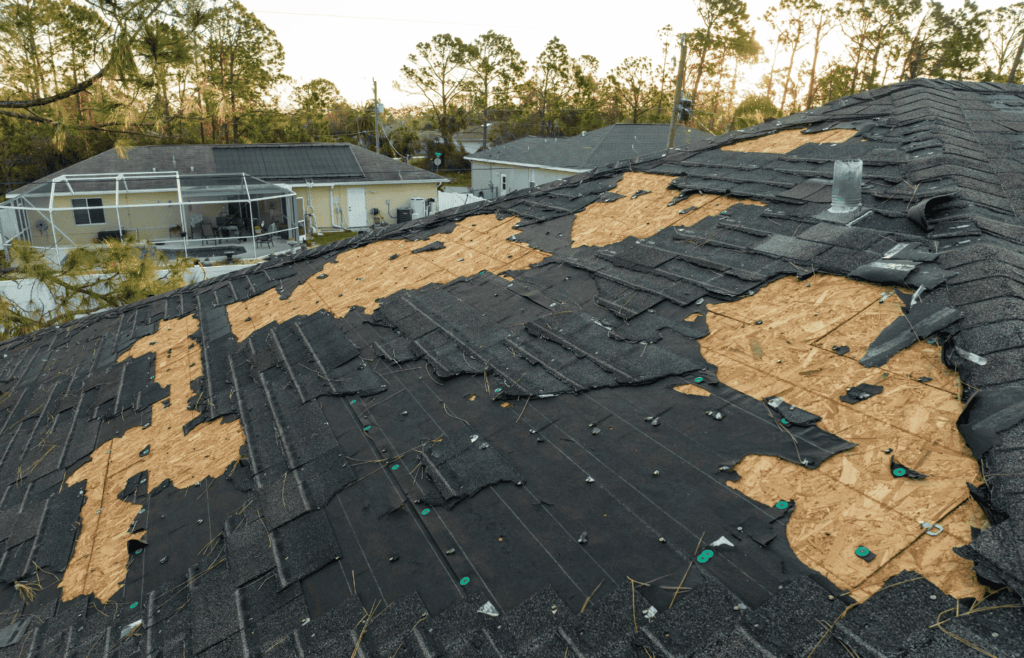
When Austin storms roll through, they tend to hit fast and hard. Sudden weather shifts, high winds, hail, and heavy rain all combine to put extreme pressure on your home’s exterior. Your Austin roof and siding are often the first lines of defense, and even a single storm can cause damage that is not immediately visible.
Common ways storms damage homes in the Austin area include:
- Hail impact
Hail can dent or crack siding and damage shingle surfaces. Even small hailstones can compromise waterproofing layers, shortening the lifespan of an Austin roof and increasing the risk of leaks. - High winds
Strong winds can lift or tear off shingles, force water into siding seams, and loosen gutters and flashing. Once these protective components are compromised, water intrusion becomes far more likely. - Flying debris
Branches, roofing materials, and other airborne debris can strike the roof or siding, causing impact damage that may not be obvious from the ground but can worsen over time. - Heavy rain
Intense rainfall seeks out weak points in the exterior. Small cracks, lifted shingles, or loose flashing can quickly turn into active leaks that damage insulation, decking, and interior finishes.
Proven Solutions That Help Protect Your Home
Taking proactive steps can significantly reduce storm-related damage and extend the life of your Austin roof and siding:
- Install impact-resistant shingles designed to withstand hail and wind-driven debris
- Use reinforced vinyl or fiber cement siding that resists denting and cracking
- Inspect roof flashing, vents, and edges after every major storm
- Keep trees trimmed away from your roof and siding to reduce impact risks during high winds
Even if your home appears undamaged after a storm, hidden issues may exist beneath the surface. Left unaddressed, these problems often worsen over time, leading to more extensive repairs and higher costs. Regular inspections and timely maintenance are essential for protecting your Austin roof and avoiding unexpected damage. Homeowners who work with Action Exteriors Austin, a contractor with an established reputation and Better Business Bureau accreditation, gain added confidence that potential issues will be identified early and handled professionally.
Moisture and Humidity: The Silent Destroyers
Austin’s humidity is no joke. While the sticky air may feel like a personal inconvenience, for your home it creates ongoing moisture exposure that can quietly lead to serious damage. High humidity levels increase the likelihood of rot, mold, and mildew, especially when moisture becomes trapped within exterior systems. Over time, this constant exposure can weaken both siding and an Austin roof, even without visible leaks.
Common ways moisture affects homes in Central Texas include:
- Warping and swelling siding
When moisture gets trapped behind siding panels, materials can swell, warp, or lose their structural integrity. This is especially common where ventilation is poor or water cannot properly drain. - Mold and mildew growth
Humid conditions allow mold and mildew to grow between boards and behind trim, particularly in areas where caulking or paint has failed. These issues can spread quickly and impact both air quality and exterior durability. - Softened roof decking
Excess moisture can be absorbed by the wood decking beneath your shingles. Over time, this can cause the decking to soften or sag, increasing the risk of water penetration and compromising the stability of your Austin roof. - Saturated insulation
When insulation becomes damp, it loses effectiveness. This reduces energy efficiency, increases cooling costs, and makes it harder to control indoor comfort during hot and humid months.
How to Protect Your Home From Moisture Damage
Proactive moisture management is essential for protecting your Austin roof and siding:
- Install vapor barriers and quality house wrap beneath siding to block moisture intrusion
- Choose siding systems with built-in back-venting to promote airflow behind panels
- Ensure attic spaces are properly ventilated to release trapped heat and humidity
- Inspect and maintain caulking around windows, doors, and trim on an annual basis
Moisture damage often develops slowly and out of sight, making it easy to overlook until repairs become extensive. With proper materials, ventilation, and routine inspections, homeowners can stay ahead of humidity-related issues and protect their Austin roof and exterior for the long term.
UV Damage and Fading Over Time
The Austin sun is relentless. Constant UV exposure gradually breaks down exterior materials, affecting everything from roofing granules to siding color. Over time, this exposure can shorten the lifespan of an Austin roof and diminish your home’s curb appeal.
Common effects of UV damage include:
- Roof shingles losing granules, which reduces waterproofing and durability
- Siding paint fading, especially on the south and west sides of the home
- Trim becoming brittle or chalky, allowing moisture intrusion
- Plastic or vinyl components warping when not UV-rated
Ways to protect your home from UV damage:
- Use UV-resistant coatings and finishes on siding and trim
- Install reflective roofing or solar-ready materials to reduce heat absorption
- Choose fade-resistant siding products designed for high sun exposure
- Ensure trim and garage doors are properly sealed and painted
UV damage develops gradually, but without protection, it can accelerate quickly and lead to costly repairs.
How to Know When Your Roof or Siding Is Failing
Not sure if your exterior is in trouble? Certain warning signs should never be ignored. Catching issues early can help protect your Austin roof and prevent minor damage from turning into costly repairs. Working with Action Exteriors Austin, a GAF-certified contractor, gives homeowners added confidence that potential issues are identified using manufacturer-backed standards and best practices.
Roof warning signs include:
- Missing, curled, or cracked shingles
- Leaks or moisture in the attic after rainfall
- Mold or mildew forming near ceiling corners
- Shingle granules collecting in gutters
- Sagging or uneven rooflines
Siding warning signs include:
- Warped or bulging panels
- Cracks, chips, or peeling paint
- Discoloration or water stains
- Insect damage or nesting
- Soft or spongy areas when pressed
Addressing these issues early is far more affordable than waiting until a full roof or siding replacement is required. Regular inspections can help extend the life of your Austin roof and protect your home’s structure.
Best Materials for Austin’s Weather Conditions
When building or renovating in Austin, selecting materials that can handle extreme heat, storms, and humidity is critical. The right choices can protect your Austin roof and siding while reducing maintenance and long-term costs.
Popular roofing options include:
- Asphalt shingles that remain affordable and effective when paired with proper ventilation
- Metal roofing that offers long lifespan, energy efficiency, and strong storm resistance
- Clay or concrete tile that performs well in high heat but comes with higher cost and weight
- Synthetic composite shingles that are lightweight, hail resistant, and visually appealing
Common siding options include:
- Fiber cement, which resists moisture, insects, and fire and performs well in Austin conditions
- Engineered wood that provides style with added protection against moisture and pests
- High-grade vinyl that is low maintenance, fade resistant, and budget friendly
- Brick or stucco that offers durability in heat but can be more expensive and harder to repair
Materials matter. Choosing products designed for Austin’s climate, rather than short-term trends, helps protect your Austin roof and exterior for years to come. Homeowners who work with Action Exteriors Austin, a contractor affiliated with the Central Texas Roofing Contractors Association (CTRCA), benefit from material recommendations guided by local climate expertise and regional best practices.
Proactive Maintenance Tips to Protect Your Home
Keeping up with small maintenance tasks helps prevent major damage caused by severe weather. Routine attention can significantly extend the life of your Austin roof and exterior.
Your roof maintenance checklist:
- Inspect your roof annually and after every major storm
- Clean gutters and inspect flashing for damage
- Check the attic for signs of sagging, moisture, or leaks
- Reseal flashing and replace damaged shingles promptly
Your siding maintenance checklist:
- Wash siding annually with a mild cleaner
- Inspect caulking and paint for peeling or gaps
- Check behind bushes and trees for hidden damage
- Repair cracks, holes, or dents as soon as they appear
Do not overlook garage doors and exterior trim. At Action Exteriors Austin, we frequently see how neglected garage exteriors create openings for water intrusion, pests, and rot. Inspecting garage door frames and seals at least twice a year can help prevent avoidable damage.
When to Call the Pros: Don’t Wait for Big Problems
DIY inspections are a great first step, but they do not always catch underlying issues. Certain situations call for a professional evaluation to protect your Austin roof and exterior before problems escalate.
You should consider reaching out for professional help:
- After a hailstorm or period of high winds
- If your roof or siding is more than 15 years old
- When you notice signs of leaks, mold, or rot
- If you are preparing to sell your home
- When replacing a garage door and upgrading surrounding trim
Professional contractors have the training, experience, and tools to identify hidden damage that may not be visible from the ground. Addressing these issues early helps ensure repairs are done correctly and protects your Austin roof and exterior before the next round of severe weather. Homeowners who work with Action Exteriors Austin, a member of the West Lake Chamber of Commerce, benefit from the added confidence of partnering with a locally trusted, community-recognized contractor.
Don’t Let Austin’s Weather Win, Protect Your Home with Confidence
Austin’s vibrant energy and wild weather are what make it special. But that same weather is why your home’s roof and siding need real attention. From beating sun to sudden storms, every season brings risks to your exterior and smart homeowners stay ahead of the damage.
Whether you’re upgrading materials, repairing storm damage, or giving your garage door trim a fresh new look, Action Exteriors Austin is here to help. While we focus on garage doors, we know how much your home’s exterior health depends on details like proper trim, sealing, and visual harmony.
Want to weatherproof your home and boost your curb appeal at the same time? Let’s do it together. Call Action Exteriors Austin today and let’s make your garage door and trim ready for whatever weather Texas throws at it.
Frequently Asked Questions About Austin Roof and Siding Weather Damage
Why does Austin weather cause so much damage to roofs and siding?
Austin experiences extreme heat, high humidity, sudden storms, and frequent temperature swings. These conditions cause roofing and siding materials to repeatedly expand, contract, absorb moisture, and dry out. Over time, this constant stress accelerates wear and shortens the lifespan of an Austin roof and exterior materials.
How often should homeowners inspect their roof in Austin?
Homeowners should inspect their Austin roof at least once a year and after any major storm involving hail or high winds. Regular inspections help catch small issues early before they turn into leaks, rot, or structural damage.
What roofing materials perform best in Austin’s climate?
Materials that handle heat, UV exposure, and storms tend to perform best in Central Texas. Metal roofing, tile roofing, impact-resistant shingles, and cool roof systems are all popular options for protecting an Austin roof against extreme weather conditions.
Can storms cause damage even if I do not see missing shingles?
Yes. Storm damage is often hidden. Hail impacts, lifted shingles, damaged flashing, or small punctures may not be visible from the ground but can still compromise waterproofing. That is why professional Austin roof inspections are important after severe weather.
How does Austin’s humidity affect my roof and siding?
High humidity can trap moisture inside wall systems and roofing assemblies. Over time, this can lead to mold growth, softened roof decking, warped siding, and reduced insulation performance. Moisture issues often develop slowly and go unnoticed until damage becomes extensive.
What are the early warning signs of roof failure?
Early signs include curling or cracked shingles, granules in gutters, attic moisture, mold near ceilings, and uneven rooflines. Addressing these signs early can extend the life of your Austin roof and prevent costly repairs.
Is preventative maintenance really worth it?
Yes. Simple maintenance such as cleaning gutters, resealing flashing, trimming trees, and inspecting siding can prevent major weather-related damage. Preventative care is far less expensive than emergency repairs or full replacement.
When should I call a professional instead of inspecting myself?
You should contact a professional after hailstorms, if your roof or siding is over 15 years old, if you notice leaks or mold, or when preparing to sell your home. Professionals have the tools and experience to identify issues that DIY inspections may miss on your Austin roof.
Who should I trust for exterior Austin roof inspections?
Working with a local contractor who understands Austin’s climate is essential. Companies like Action Exteriors Austin are familiar with how local weather affects roofs, siding, and exterior trim and can help homeowners address problems before they escalate.
Posted in